
Compact Home Décor Approaches That Sacrifice Function for Style
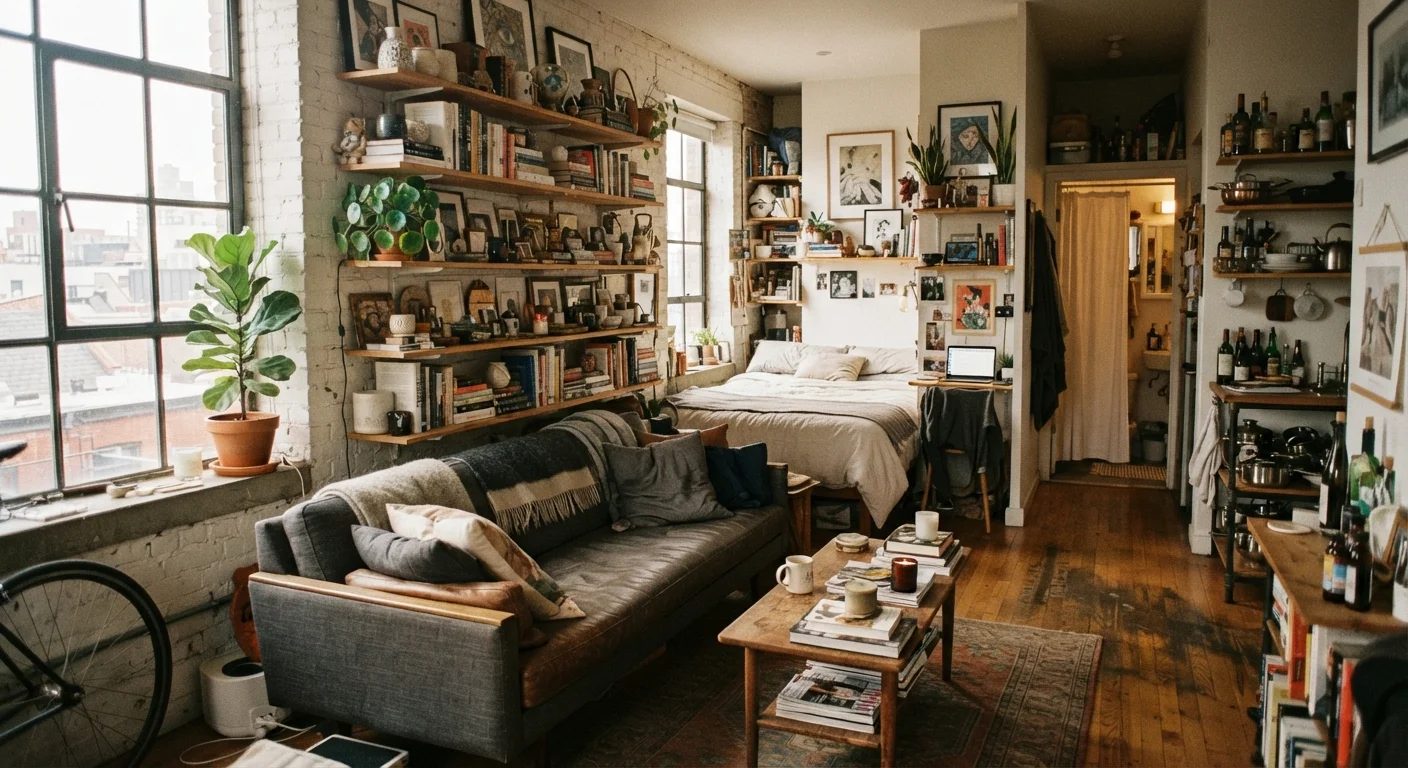
Photo credit: InsightsGrove.com | Discover Joy In Reading
In this article
Trendy small-space aesthetics sometimes create new problems. A balanced look at the pros and cons of popular décor directions in tight quarters.
Key Takeaways
- Popular compact décor trends often prioritize visual appeal over practical daily usability.
- Open shelving, low-profile furniture, and multi-use pieces each carry real functional trade-offs.
- Identifying which trade-offs you can live with is more useful than chasing a single aesthetic.
- Small adjustments - like furniture scale and storage placement - can recover function without scrapping the look.
- Understanding why a space feels cramped is the first step before committing to any décor direction.
Reduces visual clutter through restraint and intention
Pared-back aesthetics with fewer, deliberate objects can genuinely make a small space feel calmer and more organized at a glance. This psychological clarity is a real benefit, especially in studio apartments where every zone is visible at once.
Open shelving lowers visual weight in tight rooms
Replacing solid cabinet fronts with open storage removes visual barriers, which can make walls feel less oppressive in cramped kitchens and living areas. The trade-off is that the tidiness effect is entirely dependent on what's stored there.
Multi-use furniture reduces total piece count
Convertible sofas, storage ottomans, and fold-down desks can meaningfully reduce the number of items competing for floor space. Fewer pieces generally means easier movement and cleaning - if the pieces chosen are actually used in both functions.
Consistent colour palette unifies fragmented spaces
A tonal or monochromatic scheme across a small open-plan area helps zones read as cohesive rather than choppy, which reduces the perception of crowding. This is one of the lower-cost and more reversible approaches available to renters.
Vertical emphasis makes ceiling height feel greater
Tall, narrow furniture and floor-to-ceiling curtains draw the eye upward, creating an impression of height even in rooms with standard or low ceilings. This effect is well-supported by basic principles of visual perception in interior design.
Low-profile furniture eliminates under-furniture storage
The space beneath a bed or sofa is often the most practical hidden storage in a compact home. Low-profile pieces, popular for their modern look, remove this zone entirely - a real loss in apartments where dedicated storage is already scarce.
Open shelving demands constant, active maintenance
The styled-shelf look depends on everything being precisely arranged at all times. In practice, open surfaces accumulate dust faster than enclosed ones, and the visual tidiness that makes the trend appealing deteriorates quickly with everyday use.
Minimalist layouts often reduce functional seating
Removing 'visual clutter' frequently means removing chairs, side tables, or secondary seating - which works fine for solo living but becomes a real inconvenience the moment a guest arrives. Storage of occasional-use items is rarely planned for in these layouts.
Multi-use furniture often underperforms both functions
A sofa bed that works adequately as neither a sofa nor a bed is a common outcome of prioritizing a minimal piece count. Convertible furniture often requires compromises in comfort or durability that are only apparent after extended use.
Style-driven choices can ignore natural traffic patterns
Furniture arrangements selected for photogenic appeal frequently create awkward pathways or block natural movement between zones. In a compact space, even a 12-inch reduction in clearance can make a room feel significantly harder to navigate daily.
Trendy pieces may not suit the actual room's proportions
A statement light fixture or oversized mirror chosen for visual impact can overwhelm a room that lacks the ceiling height or floor area to absorb it. Scale mismatches are among the most common - and most avoidable - errors in small-space decorating.
When Aesthetics Write Checks the Floor Plan Can't Cash
Compact living has spawned a genuinely creative wave of interior design ideas - floating shelves, multi-use furniture, pared-back colour palettes, and statement lighting that draws the eye upward. The problem isn't that these ideas are wrong. It's that they're often applied wholesale, without accounting for how a specific person actually lives in a specific room.
The result is spaces that photograph beautifully but frustrate their occupants within weeks. A foundational understanding of small-space principles matters here: aesthetics and function aren't automatically in conflict, but popular décor trends can tip that balance fast.
This article breaks down the genuine advantages these approaches offer alongside the functional costs that rarely get mentioned in design roundups.
The Pros: What Style-Led Compact Décor Gets Right
There are legitimate reasons these trends have staying power. Understanding what they actually deliver helps you keep the parts worth keeping.
Reduces visual clutter through restraint and intention
Pared-back aesthetics with fewer, deliberate objects can genuinely make a small space feel calmer and more organized at a glance. This psychological clarity is a real benefit, especially in studio apartments where every zone is visible at once.
Open shelving lowers visual weight in tight rooms
Replacing solid cabinet fronts with open storage removes visual barriers, which can make walls feel less oppressive in cramped kitchens and living areas. The trade-off is that the tidiness effect is entirely dependent on what's stored there.
Multi-use furniture reduces total piece count
Convertible sofas, storage ottomans, and fold-down desks can meaningfully reduce the number of items competing for floor space. Fewer pieces generally means easier movement and cleaning - if the pieces chosen are actually used in both functions.
Consistent colour palette unifies fragmented spaces
A tonal or monochromatic scheme across a small open-plan area helps zones read as cohesive rather than choppy, which reduces the perception of crowding. This is one of the lower-cost and more reversible approaches available to renters.
Vertical emphasis makes ceiling height feel greater
Tall, narrow furniture and floor-to-ceiling curtains draw the eye upward, creating an impression of height even in rooms with standard or low ceilings. This effect is well-supported by basic principles of visual perception in interior design.
Open shelving, for example, does reduce visual bulk compared to upper cabinets - a real benefit in kitchens where solid-fronted storage can feel oppressive. Compare open and closed storage options carefully before deciding which trade-off suits your cooking habits. Similarly, a consistent, restrained colour palette genuinely can reduce visual noise - though the evidence on colour and perceived space is more nuanced than most design guides suggest.
The Cons: Where Style Quietly Undermines Function
The downsides of style-first compact décor tend to accumulate gradually. Each individual choice seems reasonable; the combined effect is a space that's harder to clean, harder to move through, and harder to actually relax in.
Low-profile furniture eliminates under-furniture storage
The space beneath a bed or sofa is often the most practical hidden storage in a compact home. Low-profile pieces, popular for their modern look, remove this zone entirely - a real loss in apartments where dedicated storage is already scarce.
Open shelving demands constant, active maintenance
The styled-shelf look depends on everything being precisely arranged at all times. In practice, open surfaces accumulate dust faster than enclosed ones, and the visual tidiness that makes the trend appealing deteriorates quickly with everyday use.
Minimalist layouts often reduce functional seating
Removing 'visual clutter' frequently means removing chairs, side tables, or secondary seating - which works fine for solo living but becomes a real inconvenience the moment a guest arrives. Storage of occasional-use items is rarely planned for in these layouts.
Multi-use furniture often underperforms both functions
A sofa bed that works adequately as neither a sofa nor a bed is a common outcome of prioritizing a minimal piece count. Convertible furniture often requires compromises in comfort or durability that are only apparent after extended use.
Style-driven choices can ignore natural traffic patterns
Furniture arrangements selected for photogenic appeal frequently create awkward pathways or block natural movement between zones. In a compact space, even a 12-inch reduction in clearance can make a room feel significantly harder to navigate daily.
Trendy pieces may not suit the actual room's proportions
A statement light fixture or oversized mirror chosen for visual impact can overwhelm a room that lacks the ceiling height or floor area to absorb it. Scale mismatches are among the most common - and most avoidable - errors in small-space decorating.
Low-profile sofas and beds - popular for making ceilings feel taller - make it harder to get on and off furniture, create awkward TV sightlines, and eliminate the under-furniture storage zone that compact homes depend on. Furniture scale mismatches are behind many of these missteps: a piece that reads as 'sleek' in a showroom can dominate or disappear once it's in your actual room.
Open shelving has its own hidden costs beyond aesthetics. Dust accumulation is measurably faster on open surfaces, and the visual tidiness the look depends on requires consistent, active maintenance - something that's easy to underestimate before moving in.
Renters Face Extra Constraints Here
Many style-forward compact décor ideas assume the freedom to mount hardware, patch walls, or install built-ins. Renters often can't do any of these things without risking their security deposit. Before committing to any structural or wall-dependent design choice, check your lease and consider whether the same effect can be achieved with freestanding alternatives. Damage-free mounting products exist, but they have real weight and surface limitations.
If you're renting, some style-first choices carry an extra layer of risk. Renters and owners face different design constraints - wall-mounted storage, built-in shelving, or permanent fixture changes may not be options at all.
Recovering Function Without Abandoning the Look
The goal isn't to reject every style-forward choice - it's to identify which trade-offs you can genuinely absorb and which will erode your quality of life. A room-by-room audit before making changes is a more reliable starting point than selecting an aesthetic and working backward.
Vertical space is one of the most consistently underused assets in compact homes. Thinking vertically - wall-mounted hooks, tall narrow shelving, ceiling-height curtains - can deliver the airy, intentional look that draws people to minimalist aesthetics while actually adding storage rather than eliminating it.
~400 sq ft
Average US studio apartment size
According to rental market surveys, the typical American studio apartment falls between 300 and 600 square feet, leaving little margin for décor choices that consume functional clearance.
1 in 3
Renters who report storage as top pain point
Surveys of urban renters consistently identify inadequate storage as a leading complaint - making any décor choice that reduces storage capacity a meaningful livability risk.
Understanding why rooms feel smaller than they are is more useful than chasing any single trend. Scale, lighting, clutter patterns, and furniture placement all interact - and small, low-cost corrections in those areas often outperform a full aesthetic overhaul.

Author
Home & Living Editorial Team
Home & Living Editorial Team is the collective byline for our editorial team and contributor network. Articles published under this byline or an editorial pen name are researched, written, and reviewed according to our editorial standards for clarity, consistency, and independence before publication.
View all articles →