
Dental Disease Is the Most Common Condition Vets See - Here's What That Means for Your Pet
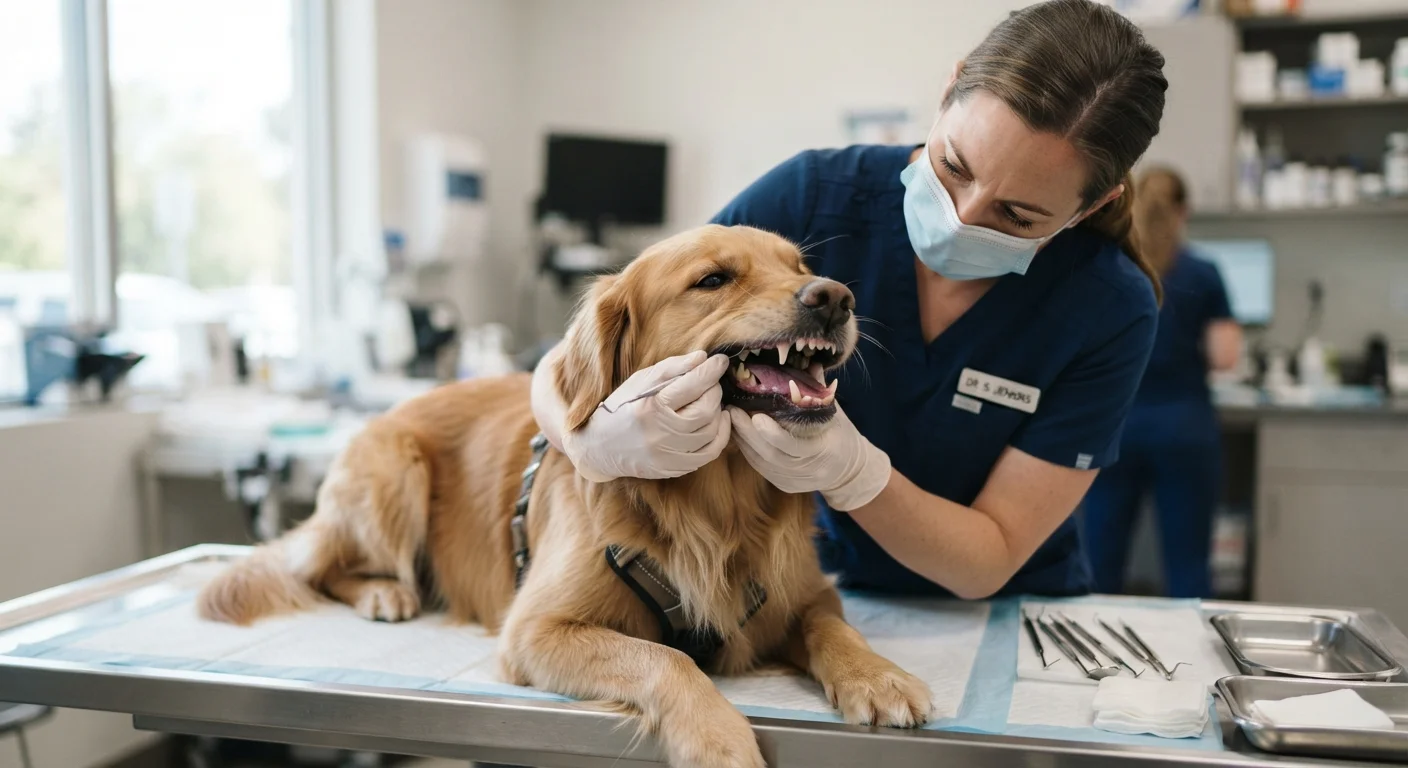
Photo credit: InsightsGrove.com | Discover Joy In Reading
In this article
Dental problems affect the majority of adult pets. Understand how they develop, what's at stake, and how oral care fits into overall health.
Key Takeaways
- The majority of dogs and cats show signs of dental disease by age three, according to veterinary estimates.
- Periodontal disease is progressive - early-stage gingivitis is reversible, but bone loss is not.
- Daily tooth brushing is the most effective home prevention method recognized by veterinary dentists.
- Oral bacteria may affect organs beyond the mouth, making dental health part of whole-body wellness.
- Professional dental cleanings under anesthesia are the standard for removing tartar below the gumline.
- Budget-conscious owners can manage costs by building consistent home care habits early in a pet's life.
Why Dental Disease Tops Every Vet's Diagnosis List
Ask any general practice veterinarian what condition they diagnose most often, and the answer is almost always the same: dental disease. Estimates from veterinary professional organizations suggest that more than 80% of dogs and roughly 70% of cats have some degree of periodontal disease by the time they reach age three. It is not a niche concern - it is the norm for adult pets in the United States.
The reason dental disease is so widespread comes down to biology and behavior. Pets do not brush their own teeth, and many owners are not aware that oral care is part of routine pet maintenance. Plaque - a soft bacterial film - forms on tooth surfaces within hours of eating. Without disruption, it mineralizes into tartar (also called calculus) within days. Tartar bonds to enamel and cannot be removed by brushing alone; it creates a rough surface that accelerates further bacterial accumulation, particularly at and below the gumline.
Once bacteria establish themselves in the gingival sulcus - the small pocket between tooth and gum - the immune system responds with inflammation. That inflammatory cycle is what drives periodontal disease forward, stage by stage.
80%+
Dogs with periodontal disease by age 3
Estimated by veterinary professional organizations based on prevalence data from routine wellness exams.
Stage 1
Only fully reversible stage of periodontal disease
Gingivitis (Stage 1) is the sole stage where tissue damage has not yet occurred and full recovery is possible with treatment.
#1
Most common condition diagnosed in adult pets
Dental and periodontal disease consistently ranks as the top diagnosis in general veterinary practice across dogs and cats.
How the Disease Progresses - and Why Timing Matters
Periodontal disease is staged from 1 to 4. Stage 1, gingivitis, is the only stage that is fully reversible: the gums are inflamed but the supporting bone and tissue are intact. With a professional cleaning and consistent home care, a pet at Stage 1 can return to a healthy baseline.
Stages 2 through 4 involve progressive destruction of the periodontal ligament and alveolar bone - the structures that hold teeth in place. This tissue loss is not reversible. At Stage 4, significant bone loss has occurred, teeth may be mobile, and extractions are often the only humane option.
This staging matters for pet owners for a practical reason: the earlier the disease is caught, the less invasive and less costly the intervention. A Stage 1 professional cleaning is a very different procedure - in time, complexity, and expense - from a Stage 4 case requiring multiple extractions and oral surgery.
Start Brushing Early for the Biggest Impact
Puppies and kittens are much easier to acclimate to tooth brushing than adult animals. Even brief, gentle sessions using a finger brush help establish tolerance. The American Veterinary Dental College recommends starting as soon as a new pet comes home. A few minutes each day invested early can translate to significantly healthier teeth - and potentially lower veterinary costs - over a pet's lifetime.
For owners working with limited budgets, the most financially sound strategy is prevention and early detection. That starts at home, with daily tooth brushing, and continues at annual wellness exams, where vets perform oral assessments as a standard part of the checkup.
Oral Health as a Window Into Whole-Body Wellness
Dental disease is not isolated to the mouth. The oral cavity is densely supplied with blood vessels, and chronic bacterial infection at the gumline gives pathogens a pathway into systemic circulation. Veterinary research has identified associations between periodontal disease and changes in kidney, liver, and cardiac tissue in pets, though researchers are still working to establish the precise mechanisms and causality.
What is well-established is the pain dimension. Pets are instinctive about masking discomfort, so many owners are surprised to learn their animal has been living with significant oral pain. Behavioral cues - preferring soft food, dropping kibble, chewing on one side, or general irritability - can indicate dental pain, but these signs are easy to miss or misattribute.
This is why veterinary dentists emphasize that dental exams are a health issue, not a cosmetic one. Integrating oral care into a broader daily pet care routine is one of the highest-impact habits an owner can build, particularly when started during puppyhood or kittenhood before disease has a chance to take hold.
What Effective Home and Professional Care Looks Like
Daily tooth brushing with a pet-formulated toothpaste is the gold standard for home prevention, according to the American Veterinary Dental College. Human toothpaste contains ingredients that are unsafe for pets and should never be used. The goal is mechanical disruption of plaque before it hardens - ideally every day, or as frequently as possible.
Supplementary options - dental chews, water additives, and certain prescription dental diets - have varying levels of evidence behind them. Products carrying the Veterinary Oral Health Council (VOHC) seal have met independently reviewed standards for plaque or tartar reduction and can be a useful complement to brushing, though not a replacement for it.
At the professional level, a thorough dental cleaning requires general anesthesia. This allows the veterinary team to scale below the gumline, probe for periodontal pockets, take dental radiographs, and identify any teeth needing extraction - all of which are impossible in a conscious, moving animal. The American Animal Hospital Association's dental care guidelines recommend anesthesia for this reason, and most veterinary dental specialists advise against anesthesia-free procedures as a substitute.
For aging pets, whose dental needs often intensify, senior-specific care planning should include a dedicated conversation about oral health frequency with your veterinarian. Older animals may need more frequent professional cleanings, and pre-anesthetic bloodwork becomes more important as a safety step.
This article is for general informational and educational purposes only and is not a substitute for professional veterinary advice. Always consult a licensed veterinarian for guidance specific to your pet's health needs.
Frequently Asked Questions

Author
Pets & Care Editorial Team
Pets & Care Editorial Team is the collective byline for our editorial team and contributor network. Articles published under this byline or an editorial pen name are researched, written, and reviewed according to our editorial standards for clarity, consistency, and independence before publication.
View all articles →