
Affordable Foods With an Outsized Nutritional Punch
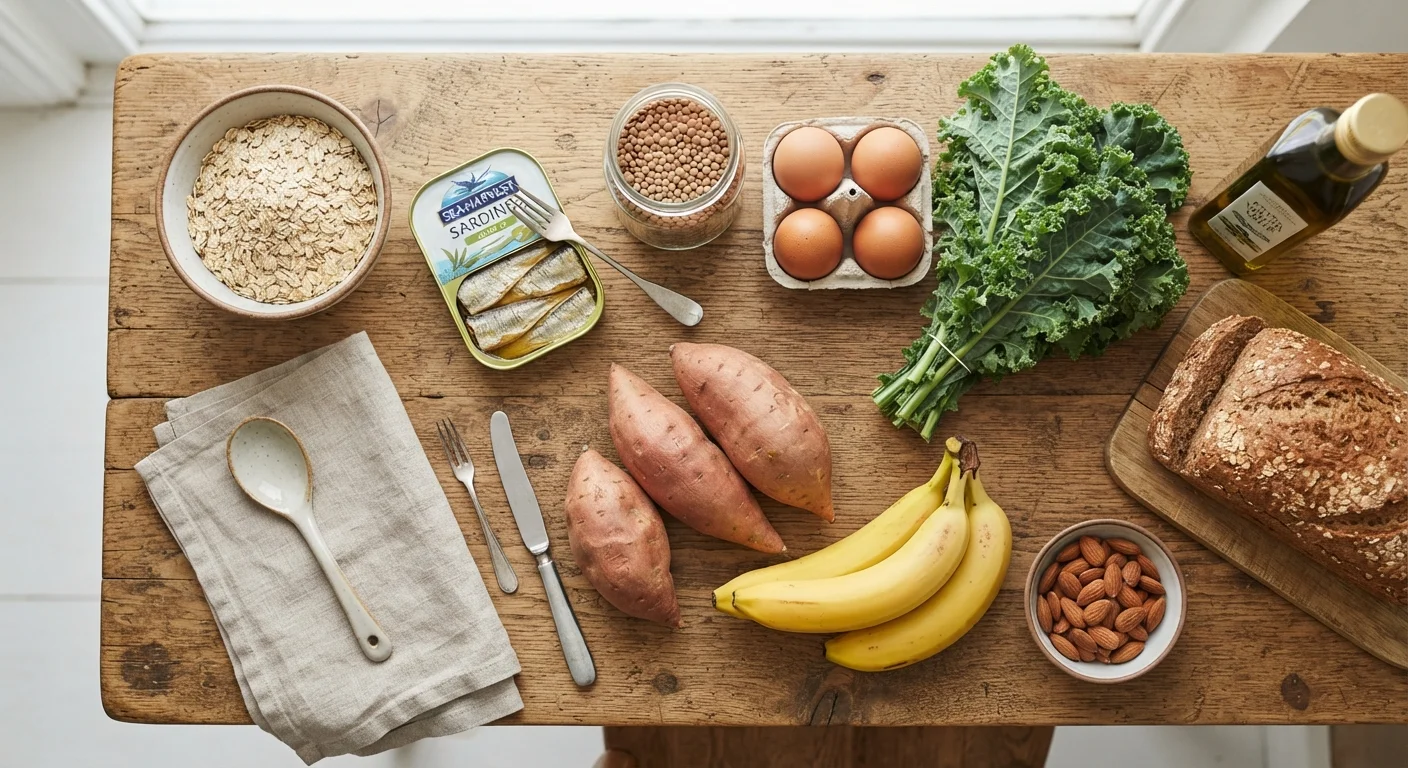
Photo credit: InsightsGrove.com | Discover Joy In Reading
In this article
A curated look at everyday, low-cost foods that deliver exceptional nutritional value — from tinned sardines to oats and leafy greens.
Key Takeaways
- Several common, low-cost foods provide exceptional nutrient density relative to their price.
- Protein, fiber, healthy fats, and key micronutrients are all accessible without a large food budget.
- Strategic ingredient choices can help cover nutritional gaps that often emerge when spending is tight.
- Canned, dried, and frozen options frequently match or exceed fresh counterparts in nutritional value.
Why Nutrient Density Matters When You're Budget-Conscious
When money is tight, every dollar spent on food needs to work harder. That's where the concept of nutrient density - the amount of vitamins, minerals, protein, and beneficial compounds relative to calories and cost - becomes a genuinely useful framework. Foods that rank high on this measure give you more nutritional return per dollar spent, which matters especially when a limited budget can tempt people toward calorie-dense but nutrient-light options.
The good news, backed by established nutrition science, is that some of the most nutrient-dense foods available are also among the most affordable. Cheap food isn't inherently bad for you - and the seven foods below make a strong case for that. Understanding the core principles of eating well on a tight budget can help you apply these ideas more effectively to your own shopping habits.
This Is General Nutrition Information
The foods discussed in this article are presented as general educational information about nutrient content - not as personalised dietary advice. Individual nutritional needs vary based on age, health status, activity level, and other factors. If you have specific health concerns or dietary requirements, consult a registered dietitian or qualified healthcare professional.
Seven Affordable Foods Worth Prioritising
Oats
Rolled oats are among the most cost-effective whole grains available. They provide beta-glucan, a soluble fiber that research consistently links to supporting healthy cholesterol levels and prolonged satiety. Oats also deliver a meaningful amount of plant-based protein, B vitamins, iron, and magnesium per serving. Unlike many processed breakfast options, plain oats contain no added sugars and offer genuine staying power - relevant when you're trying to get through a busy morning without spending more on snacks.
For a more detailed look at what different carbohydrate sources contribute nutritionally, see carbohydrates on a budget.
Beta-glucan in oats supports satiety and healthy cholesterol - at one of the lowest cost-per-serving ratios available.
Canned Sardines
Tinned sardines are nutritionally dense in ways that surprise many people. They supply complete protein, long-chain omega-3 fatty acids (EPA and DHA), vitamin D, vitamin B12, and - when eaten with bones - a notable amount of calcium. Omega-3s and vitamin D are two nutrients that are frequently under-consumed in typical US diets. Sardines offer both in a shelf-stable, affordable format that requires no preparation beyond opening the can.
If you're concerned about micronutrient gaps when eating on a limited budget, micronutrients you might be missing is worth reading alongside this list.
Canned sardines with bones deliver omega-3s, vitamin D, and calcium in one of the most affordable shelf-stable formats.
Lentils
Lentils are a standout among legumes: they cook faster than most dried beans (no overnight soaking required), and they pack substantial plant-based protein, dietary fiber, folate, iron, and potassium into a very small price tag. The combination of protein and fiber makes them particularly filling. Folate is especially important for those of reproductive age, and iron from plant sources (non-heme iron) can support intake when meat consumption is low - though pairing lentils with a vitamin C-rich food improves iron absorption.
For a full comparison of affordable protein sources, see protein on a budget.
Lentils need no soaking, cook quickly, and supply protein, fiber, folate, and iron at a fraction of meat's cost.
Eggs
Eggs are one of the most complete and versatile affordable foods in any kitchen. A single egg contains all essential amino acids, making it a high-quality complete protein source. They also provide choline - a nutrient critical for brain function that many people don't get enough of - along with vitamins A, D, B12, and selenium. Eggs are highly adaptable across meals, quick to prepare, and have a relatively long refrigerator shelf life, reducing the risk of waste.
Eggs supply complete protein, choline, and a range of vitamins in a fast-cooking, waste-resistant format.
Frozen Leafy Greens
Spinach, kale, and collard greens in frozen form are often significantly cheaper than their fresh counterparts, and the nutritional difference is smaller than many expect. Freezing locks in vitamins and minerals at peak ripeness. Leafy greens broadly supply vitamin K, folate, vitamin C, calcium, and various antioxidant compounds. They're calorie-light but nutrient-dense - a useful property when trying to cover micronutrient needs without inflating a food budget.
The evidence behind frozen versus fresh produce is explored in depth in fresh vs frozen vegetables.
Frozen leafy greens retain most nutrients from harvest and cost considerably less than fresh equivalents.
Sweet Potatoes
Sweet potatoes are one of the most nutritionally rich starchy vegetables available at low cost. They are an exceptional source of beta-carotene, which the body converts to vitamin A - a nutrient important for immune function and eye health. They also provide vitamin C, potassium, manganese, and dietary fiber. Their natural sweetness makes them palatable without added ingredients, and they store well at room temperature for extended periods, making them a practical pantry staple.
For ideas on building a well-stocked, budget-friendly pantry around foods like these, building a budget-friendly pantry offers a practical checklist.
One sweet potato covers a substantial portion of daily vitamin A needs at minimal cost and effort.
Canned Beans
Canned beans - whether black beans, chickpeas, kidney beans, or pinto beans - offer convenience and nutrition in equal measure. They are pre-cooked, ready to use, and deliver a strong combination of plant protein, soluble and insoluble fiber, iron, zinc, and folate. Regular bean consumption is associated in population research with improved digestive health and more stable blood sugar responses, though individual responses vary. Rinsing canned beans reduces their sodium content meaningfully if that is a dietary consideration.
Rinsing canned beans reduces sodium while preserving their substantial protein, fiber, and micronutrient profile.
Combine These Foods for Better Coverage
No single food covers all nutritional bases. Pairing items from this list - such as lentils with leafy greens, or eggs with sweet potatoes - creates meals that address a wider range of micronutrient needs. See meal planning from scratch for practical weekly examples built around affordable staples like these.
Putting It Into Practice
Knowing which foods are nutritionally strong is only part of the equation - reducing waste matters too. Buying lentils or sweet potatoes in bulk means little if they're discarded unused. Reducing food waste at home is where nutrition and frugality genuinely overlap, and building habits around using what you buy amplifies the value of every item on this list.
For broader shopping strategy, the smart shopping habits hub covers practical tactics for spending less without sacrificing quality across everyday purchases - including groceries.
This article is for general informational and educational purposes only and does not constitute medical or dietary advice. Consult a qualified healthcare professional or registered dietitian for guidance specific to your health circumstances.

Author
Health & Wellness Editorial Team
Health & Wellness Editorial Team is the collective byline for our editorial team and contributor network. Articles published under this byline or an editorial pen name are researched, written, and reviewed according to our editorial standards for clarity, consistency, and independence before publication.
View all articles →