
Reducing Food Waste at Home: Where Nutrition and Frugality Overlap
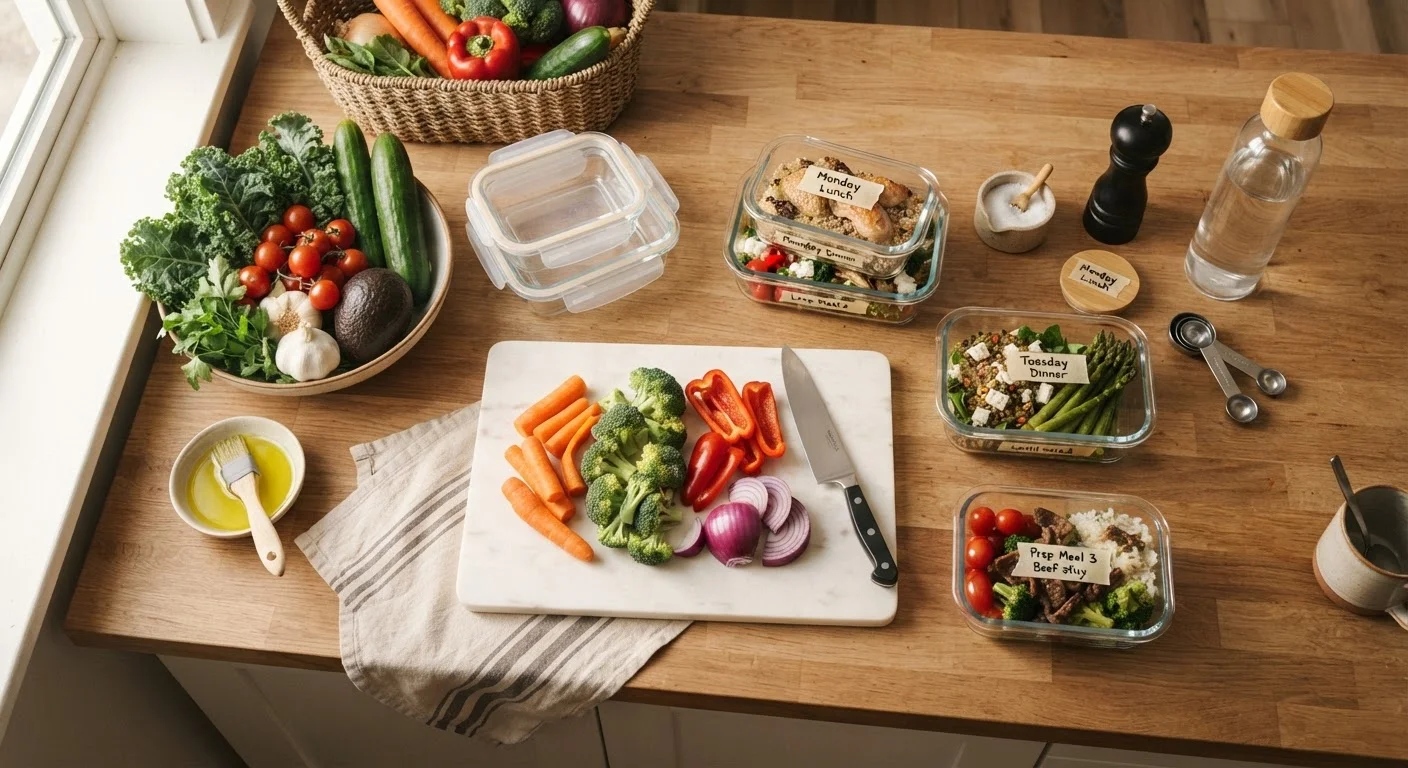
Photo credit: InsightsGrove.com | Discover Joy In Reading
In this article
Food waste costs money and often means discarding nutritious ingredients. Here are practical habits to get more value from what you already buy.
Key Takeaways
- The average American household wastes a significant portion of the food it buys each year, costing real money.
- Reducing food waste is one of the most direct ways to stretch a grocery budget without sacrificing nutrition.
- Smart storage, deliberate meal planning, and using whole ingredients are core habits that reduce both waste and cost.
- Many discarded food parts - vegetable stems, citrus peels, legume cooking liquid - still carry nutritional value.
- Batch cooking and freezing are among the most reliable tools for preserving food before it spoils.
Why Food Waste Is a Budget and Nutrition Problem at Once
Most people think of food waste as an environmental concern, but for anyone watching their wallet, it's a direct financial loss. Research from the USDA estimates that households discard a substantial share of the food they purchase - meaning a portion of every grocery run is effectively thrown away uneaten. That money is gone, along with the nutrients those foods contained.
The overlap between frugality and nutrition becomes clearest when you consider what typically gets wasted: fresh vegetables, fruits, cooked leftovers, and proteins - precisely the foods that support a balanced diet. If you want to understand budget nutrition from the ground up, reducing waste is one of the first levers worth pulling. It costs nothing to implement and pays off immediately.
30-40%
Share of U.S. food supply wasted annually
According to the USDA Economic Research Service, roughly 30 to 40 percent of the U.S. food supply is lost or wasted each year, with households contributing significantly to that figure.
$1,500+
Estimated annual food waste cost per household
Various analyses, including those cited by the EPA's food waste reduction programs, estimate American families discard hundreds to over a thousand dollars in food annually.
Best Practices for Reducing Food Waste at Home
The following practices are grounded in practical food management and basic nutrition principles. None require special equipment or a larger grocery budget - most require only a shift in habit.
Plan meals before shopping, not after
Buying ingredients without a plan almost guarantees some will go unused. A simple weekly meal outline ensures every item you purchase has a purpose, which cuts impulse buys and reduces the chance of produce sitting forgotten in the fridge.
Store foods correctly to extend their useful life
Improper storage is one of the leading causes of preventable spoilage. Many foods last significantly longer with simple adjustments - keeping herbs in a glass of water, storing onions away from potatoes, or moving ripe fruit to the fridge.
Follow a 'first in, first out' rotation in your fridge and pantry
Older items pushed to the back get forgotten and spoil. Rotating stock so older purchases sit at the front ensures you use them before they expire, without requiring you to track dates obsessively.
Freeze food before it spoils, not after you've given up on it
The freezer is one of the most underused tools in a budget kitchen. Bread, cooked grains, proteins, and most cooked dishes freeze well and can be pulled out when needed - preserving both nutritional value and money.
Cook with what needs to be used first
Building meals around ingredients nearing the end of their shelf life - rather than starting from scratch each time - actively reduces waste. This habit also builds practical cooking flexibility over time.
Buy loose or smaller quantities when trying new ingredients
Buying a large quantity of an unfamiliar ingredient is a common waste trigger - if you don't like it or don't know how to use it, it sits unused. Smaller portions reduce the financial and nutritional risk of experimentation.
Quick Wins You Can Apply Today
Not every change requires a full overhaul. A few targeted actions can reduce waste starting with your very next grocery run or meal.
For a deeper look at which low-cost ingredients deliver the most nutritional return, see our guide to affordable foods with an outsized nutritional punch. And if batch cooking interests you, our overview of how batch cooking works and why it saves more than money explains the full process.
Getting More From Ingredients You Already Have
One underused strategy is treating the whole ingredient as usable. Broccoli stems are just as edible as florets - they're denser but work well sliced thin and sautéed. Citrus peels can be zested and frozen. The starchy liquid from canned or home-cooked chickpeas (called aquafaba) can substitute for eggs in some recipes. Vegetable scraps - onion skins, carrot tops, celery leaves - form a solid base for homemade stock.
Make a Weekly 'Use It Up' Meal
Designate one meal per week - often Friday or Saturday before your next shop - as a 'use it up' meal built entirely from what's already in your fridge, freezer, and pantry. Grain bowls, soups, stir-fries, and frittatas are especially flexible formats. This single habit can meaningfully reduce weekly waste without requiring extra planning time on other days.
If scraps do accumulate beyond what you can use, composting is a logical next step. Our article on composting in a small space covers compact methods suited to apartments and small homes.
On the freezer front, fresh vs. frozen vegetables is worth understanding - frozen produce is often nutritionally comparable to fresh and dramatically reduces spoilage risk.
Food Safety Comes First
Reducing waste should never mean eating food that has spoiled or poses a safety risk. When in doubt about whether something is still safe to eat, trust your senses and consult USDA FoodKeeper guidelines rather than guessing. Foodborne illness is a real risk that no frugality goal is worth incurring.
This article is for general informational purposes only and is not medical or nutritional advice. Consult a qualified healthcare or nutrition professional for guidance specific to your health needs.

Author
Health & Wellness Editorial Team
Health & Wellness Editorial Team is the collective byline for our editorial team and contributor network. Articles published under this byline or an editorial pen name are researched, written, and reviewed according to our editorial standards for clarity, consistency, and independence before publication.
View all articles →