
Fresh vs Frozen Vegetables: Which Is the Smarter Nutritional Choice?
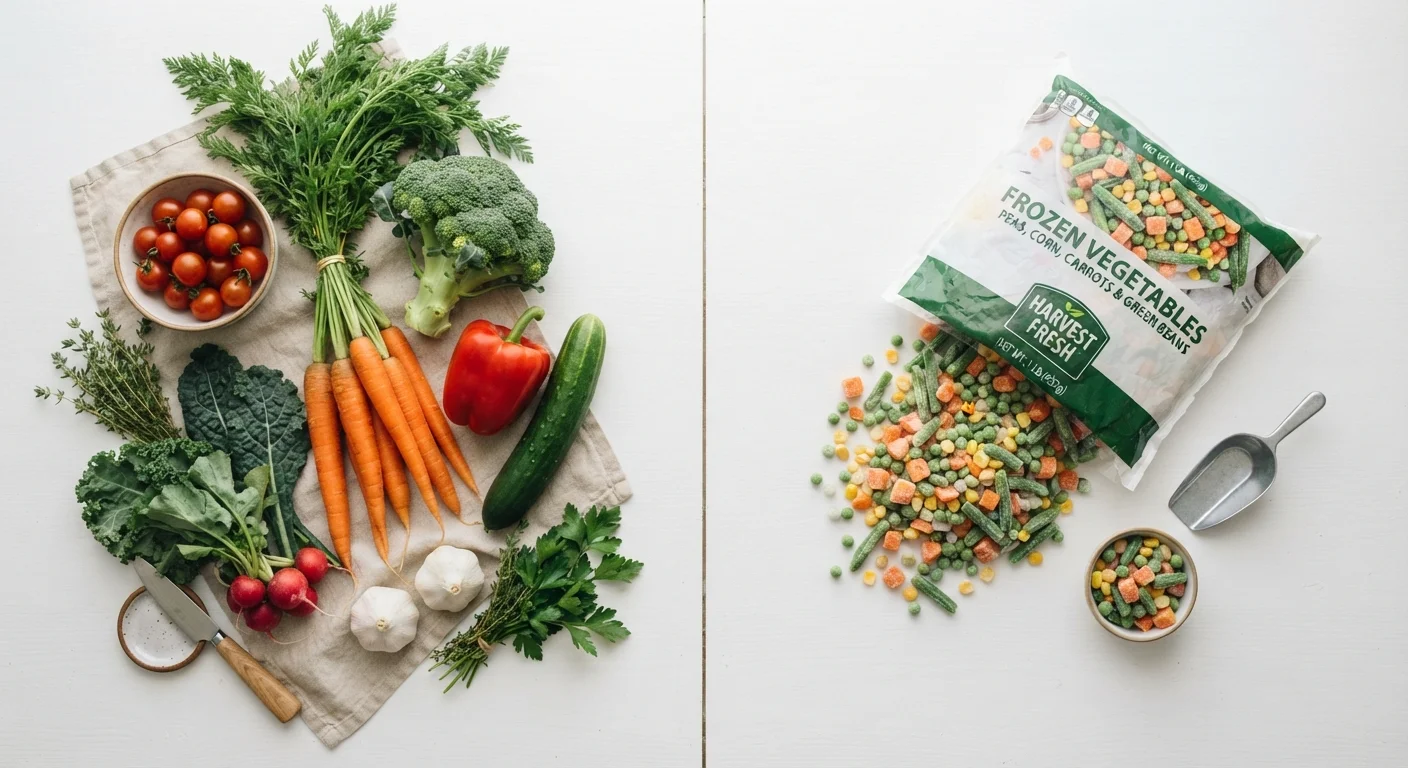
Photo credit: InsightsGrove.com | Discover Joy In Reading
In this article
Frozen vegetables are often cheaper — but are they as nutritious? A straight look at what the evidence says about both options.
Key Takeaways
- Frozen vegetables are typically picked and flash-frozen at peak ripeness, locking in many nutrients.
- Fresh produce can lose significant nutrient content during transit, storage, and display time.
- Frozen vegetables are generally less expensive per serving and produce far less food waste.
- Neither option is universally superior - both contribute meaningfully to a nutritious diet.
- Cooking method matters as much as fresh-versus-frozen when it comes to retaining nutrients.
The Nutritional Case for Frozen Vegetables
A persistent myth holds that frozen vegetables are nutritionally inferior to fresh. The evidence largely contradicts this. Most commercially frozen vegetables are harvested at or near peak ripeness - the point at which nutrient density is highest - and then blanched and flash-frozen within hours. This rapid process significantly slows the enzymatic activity and oxidation that degrade vitamins over time.
Research published in peer-reviewed journals, including work from the IFR and studies cited by the FDA, has found that frozen vegetables often retain comparable - and in some cases higher - levels of vitamins C and B-group nutrients compared to their fresh counterparts that have been stored for several days. Vitamin C is particularly vulnerable to heat, light, and time; for produce that travels long distances, measurable losses can occur well before the vegetable reaches your plate.
~8 days
Average time fresh spinach loses half its folate
Research suggests that folate in fresh spinach can decline substantially within about eight days of harvest under typical refrigerated storage conditions.
40%
Vitamin C retained in frozen vs. stored fresh broccoli
Studies comparing fresh broccoli stored for several days against frozen broccoli have shown frozen samples retaining comparable or higher vitamin C levels in multiple independent analyses.
For a fuller picture of other affordable, nutrient-dense foods worth adding to your rotation, see our guide to affordable foods with an outsized nutritional punch.
Where Fresh Vegetables Still Have the Edge
Fresh vegetables aren't without genuine advantages. Produce consumed very shortly after harvest - such as vegetables bought from a local farmers' market and eaten the same day - can offer outstanding nutrient density. Certain delicate compounds, including some polyphenols and water-soluble vitamins, are best preserved in vegetables that haven't undergone the blanching step required before freezing.
Texture and culinary flexibility also matter. Raw salad greens, cucumber, and many herbs don't freeze well; their cell structure breaks down, making them suitable only in cooked applications. If variety, raw preparations, or specific seasonal vegetables are important to how you eat, fresh will often serve you better.
The practical caveat is storage time. A bag of spinach or a head of broccoli left in the refrigerator for four to seven days may have lost a significant portion of its original vitamin content by the time it's cooked. This is where the freshness advantage narrows considerably for most households.
Watch for Added Ingredients in Frozen Bags
Plain frozen vegetables contain no additives - but some frozen vegetable products include sauces, butter, salt, or seasoning blends that alter their nutritional profile. Always check the ingredient list when purchasing. A short ingredient list with just the vegetable listed is usually the most nutritionally straightforward option.
Cost, Waste, and the Budget Reality
For budget-conscious eaters, the economics of fresh versus frozen are hard to ignore. Fresh vegetables are subject to seasonal price swings, spoilage, and trimming loss. The USDA has estimated that a significant proportion of fresh produce purchased by US households is discarded before it's consumed - representing both a nutritional loss and a direct financial cost.
Frozen vegetables largely sidestep this problem. Because they're portioned and stored without spoilage risk over months, waste is far easier to control. You use what you need and return the rest to the freezer. For a deeper look at minimising food waste as both a nutritional and financial strategy, the principles in reducing food waste at home apply directly here.
| Criterion | Fresh Vegetables | Frozen Vegetables |
|---|---|---|
| Nutrient retention | High if eaten quickly; declines with storage | Consistently high due to flash-freezing at peak |
| Cost per serving | Variable; often higher out of season | Generally lower and more stable year-round |
| Shelf life | Days (refrigerated) | Months (frozen) |
| Food waste risk | Higher - spoilage common | Low - use only what you need |
| Variety and texture | Wide variety; ideal for raw dishes | Good variety; texture best in cooked dishes |
| Seasonal availability | Limited by season and region | Consistent availability year-round |
| Added ingredients | None | Usually none; check label for added sauces/salt |
It's also worth noting that frozen vegetables can make an important contribution to nutritional quality in a context where the alternative isn't fresh produce - it's ultra-processed convenience food. If you're weighing those trade-offs, the nutritional trade-offs of ultra-processed convenience foods offers a grounded comparison.
How Cooking Method Affects Both Options
Whether you choose fresh or frozen, how you cook vegetables has a significant bearing on what nutrients survive to your plate. Boiling vegetables in large volumes of water and discarding the water is one of the most common causes of nutrient loss - particularly for water-soluble vitamins like vitamin C and folate. Steaming, microwaving, stir-frying, and roasting generally preserve more of these compounds because cooking time and water contact are reduced.
For frozen vegetables specifically, microwave steaming directly in the bag is among the most nutrient-preserving methods available - a practical option for busy households. If you're also reconsidering other buying decisions in the grocery aisle, our look at supermarket own-brand vs named brands examines whether higher price signals better nutritional quality - and the answer is often no.
This article is for general informational and educational purposes only and is not a substitute for professional medical or dietary advice. If you have specific health concerns or dietary needs, please consult a qualified healthcare professional or registered dietitian.

Author
Health & Wellness Editorial Team
Health & Wellness Editorial Team is the collective byline for our editorial team and contributor network. Articles published under this byline or an editorial pen name are researched, written, and reviewed according to our editorial standards for clarity, consistency, and independence before publication.
View all articles →