
Supermarket Own-Brand vs Named Brands: Is There a Nutritional Difference?
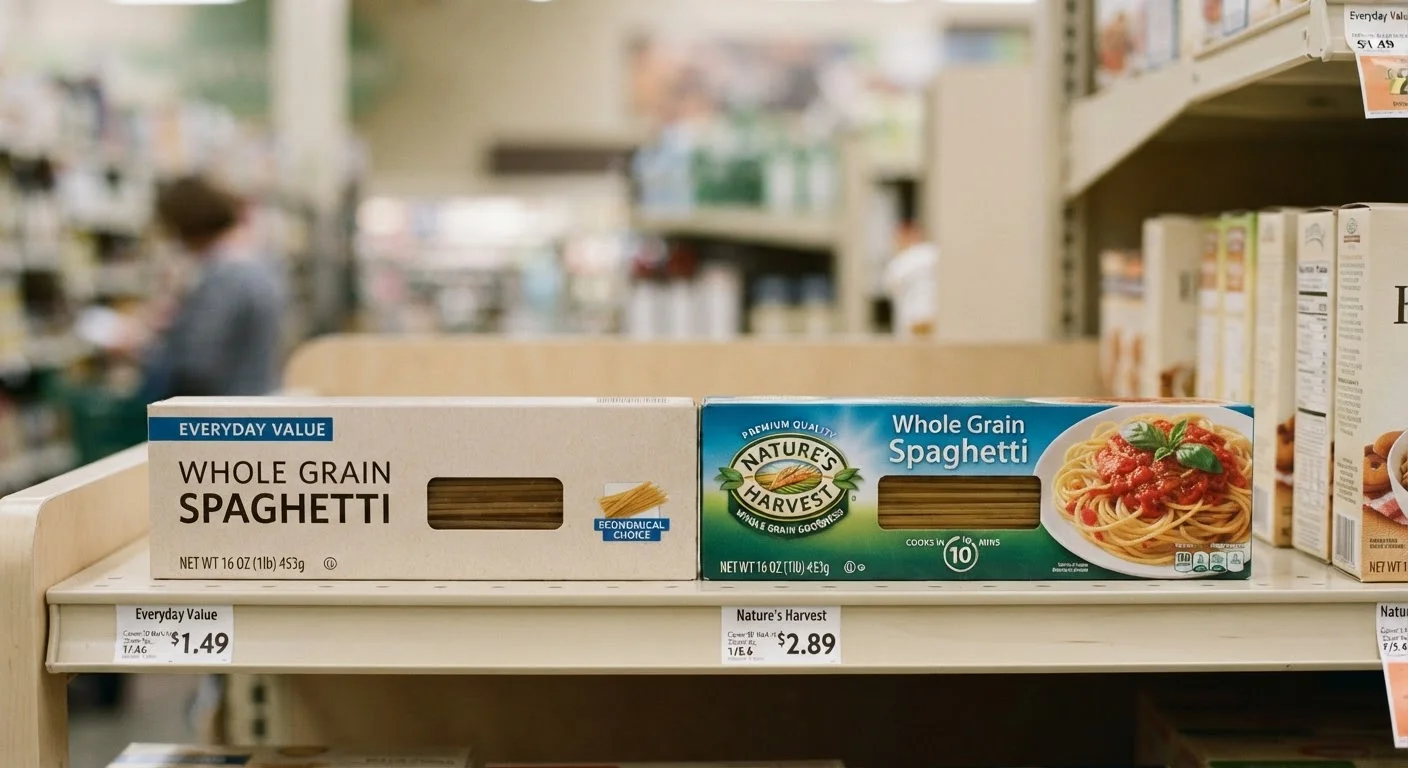
Photo credit: InsightsGrove.com | Discover Joy In Reading
In this article
Many shoppers assume branded food is nutritionally superior. Here's what ingredient labels and nutritional panels reveal about the real differences.
Key Takeaways
- Nutritional panels on own-brand and named-brand products are often nearly identical for staple foods like canned goods, oats, and frozen vegetables.
- Named brands invest heavily in marketing, which is a key driver of their higher price - not always superior ingredients.
- Ingredient lists are your most reliable tool for comparing products; the order and content of ingredients matters more than branding.
- Certain categories - like infant formula and medical foods - are regulated so tightly that brand differences are minimal by law.
- There are some categories, such as artisan or specialty products, where branded items may offer genuinely distinct formulations.
- Reading nutrition labels carefully is the most reliable way to make an informed choice between any two products.
What's Actually Behind the Price Gap?
Walk down any supermarket aisle and the price difference between own-brand and named-brand products can be striking - sometimes 30 to 50 percent or more for what appears to be the same item. That gap rarely reflects ingredient quality alone. Named brands spend significantly on advertising, celebrity endorsements, packaging design, and retail shelf positioning. These costs are built into the price you pay at checkout.
Own-brand products - sometimes called store brands or private-label goods - are typically manufactured by third-party suppliers, and in some cases by the same facilities that produce named-brand equivalents. Retailers then sell these products under their own label at a lower margin. For shoppers trying to eat well on a limited budget, understanding this distinction is the first practical step. The research on store brands vs. name brands consistently shows that price differences are driven more by brand overhead than by meaningful ingredient differences in most food categories.
| Criterion | Own-Brand Products | Named Brand Products |
|---|---|---|
| Price | Typically 30-50% lower | Higher; includes marketing costs |
| Nutritional content (staples) | Usually comparable | Usually comparable |
| Ingredient transparency | Federally regulated label | Federally regulated label |
| Marketing investment | Minimal | Significant; built into price |
| Specialty / artisan items | Limited range | Wider range; possible quality edge |
| Third-party testing | Varies by retailer | Varies by brand |
| Taste / texture consistency | Can vary by category | Generally consistent formulation |
Reading the Labels: Where the Real Answers Are
The most reliable way to compare any two food products - regardless of brand - is to look at the nutrition facts panel and the ingredient list. These are federally regulated and standardized in the US, meaning both branded and own-label products must disclose the same categories of information in the same format.
For staple foods like rolled oats, canned tomatoes, frozen peas, or dried pasta, nutritional panels are frequently near-identical between own-brand and named-brand versions. The macronutrient profiles, sodium content, and fiber levels often differ by negligible amounts - differences that are unlikely to be meaningful in a real diet. Learning how to read a nutrition label without getting confused is the most practical skill for making these comparisons confidently.
Where differences are more likely to appear is in ingredient quality or order. For example, one product may list whole grain flour first while another uses enriched flour - a distinction worth noting if whole grains are a dietary priority. Additives, preservatives, and added sugars can also vary. The ingredient list, not the marketing text on the front of the package, is where meaningful differences show up.
~30-50%
Typical price premium for named brands over own-brand equivalents
Industry analyses of private-label grocery markets consistently find own-brand products priced significantly below comparable named-brand items across most food categories.
~80%
Share of US shoppers who have purchased store-brand products
According to the Private Label Manufacturers Association, the vast majority of American consumers regularly buy store-brand grocery items.
Equal
Federal labeling standards for own-brand vs. named-brand nutrition panels
The FDA requires identical nutrition facts panel formatting and disclosure for all packaged foods sold in the US, regardless of brand status.
Categories Where the Gap Narrows - and Where It Doesn't
For most everyday staples - canned legumes, plain dairy, frozen vegetables, rice, pasta, and basic condiments - the nutritional difference between own-brand and named-brand products is minimal. Consumer research and independent testing generally support the view that shoppers can switch to own-brand versions of these items without meaningful nutritional trade-offs. For a deeper look at how affordable everyday foods hold up under scrutiny, the article why cheap food isn't always bad for you provides a useful grounding in the evidence.
However, there are categories where differences are more substantive. Specialty products - artisan breads, aged cheeses, cold-pressed oils - often carry genuine quality distinctions tied to production method, not just branding. Similarly, some categories like infant formula are so heavily regulated that differences are minimal by law, but others like protein powders or fortified health foods may vary more meaningfully in the source and bioavailability of added nutrients. For those evaluating health claims on packaging, it's worth understanding how independent testing compares to manufacturer claims.
A Note on Highly Regulated Food Categories
Certain food categories - including infant formula and medical nutrition products - are subject to strict federal standards that mandate minimum nutrient levels and compositions. In these categories, named-brand and own-brand products must meet the same regulatory thresholds, which significantly narrows the scope for meaningful nutritional differences. If you are selecting products in these categories for vulnerable populations, consult a qualified healthcare professional for personalized guidance.
A Practical Approach for Budget-Conscious Shoppers
A useful rule of thumb: the simpler the food, the less likely brand matters nutritionally. For single-ingredient or minimally processed foods - canned fish, frozen vegetables, plain yogurt, dried grains - own-brand is almost always a sound choice. The fresh vs. frozen vegetables comparison illustrates how processing method often matters far more than brand when it comes to nutrient retention.
For more complex products, spend a few minutes comparing ingredient lists side by side. If the first three to five ingredients are identical and the nutritional panels are similar, the own-brand version is likely equivalent in nutritional terms. Reserve branded spending for specific cases where you've identified a genuine formulation difference that matters to your health goals - and consult a registered dietitian or qualified healthcare professional if you have specific dietary needs that require careful management.
This article is for general informational and educational purposes only and does not constitute medical, nutritional, or dietary advice. Always consult a qualified healthcare or nutrition professional for guidance tailored to your individual health needs.

Author
Health & Wellness Editorial Team
Health & Wellness Editorial Team is the collective byline for our editorial team and contributor network. Articles published under this byline or an editorial pen name are researched, written, and reviewed according to our editorial standards for clarity, consistency, and independence before publication.
View all articles →