
Batch Cooking: What It Is, How It Works, and Why It Saves More Than Money
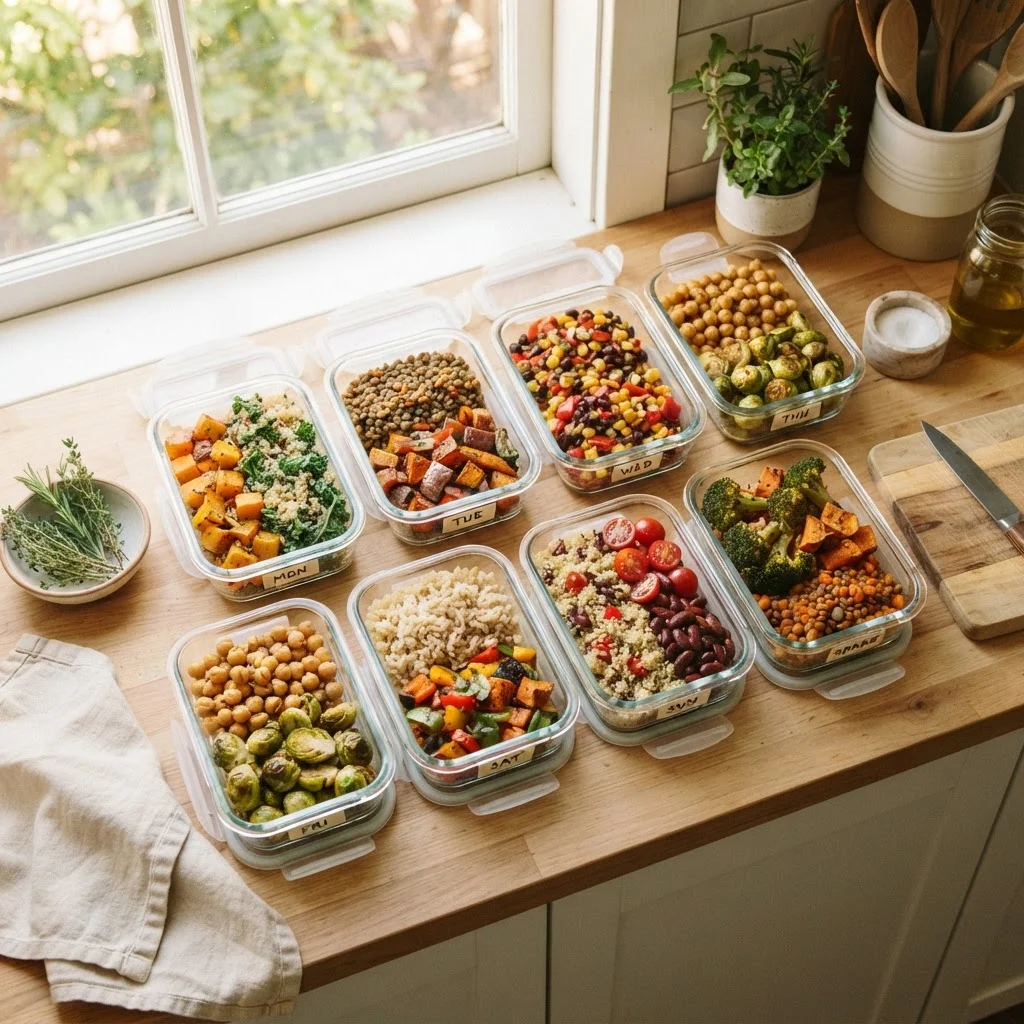
Photo credit: InsightsGrove.com | Discover Joy In Reading
In this article
Batch cooking reduces food waste, cuts weekly prep time, and supports more consistent nutrition. Here's how the practice actually works.
Key Takeaways
- Batch cooking reduces the time you spend cooking on weekdays by consolidating prep into one or two sessions.
- Cooking in larger quantities typically lowers cost per serving, especially when paired with strategic grocery shopping.
- Preparing food in advance reduces the temptation to rely on expensive convenience or takeout meals.
- Batch cooking also cuts food waste by using ingredients fully before they spoil.
- It supports more consistent nutrition by making healthy options the easiest option on busy days.
The Core Idea: Cook Once, Eat Multiple Times
Batch cooking is a straightforward system: you set aside a block of time - often a weekend afternoon - to cook large amounts of a few core ingredients. Those components then form the backbone of multiple meals across the week, requiring little more than reheating or quick assembly at mealtime.
Common batch-cooked components include:
- Whole grains - brown rice, quinoa, farro, oats
- Legumes - lentils, chickpeas, black beans (from dried or canned)
- Roasted vegetables - whatever is seasonal or on sale
- Simple proteins - hard-boiled eggs, baked chicken, tofu
The key insight is that you're not cooking the same meal five times over. You're building flexible ingredients that can be repurposed. Monday's grain bowl becomes Tuesday's burrito filling and Wednesday's soup base. This flexibility prevents the monotony that causes many people to abandon the approach early on.
For a broader look at structuring your weekly eating around a budget, see Meal Planning From Scratch.
Why It Saves More Than Just Money
The financial benefit is real: buying ingredients in quantities suited for batch cooking typically lowers your cost per meal compared to daily cooking or ordering out. But the advantages extend further than the grocery bill.
~31%
Of household food supply wasted annually in the US
According to USDA Economic Research Service estimates, roughly 31 percent of the available food supply at the retail and consumer level goes uneaten.
~$1,500
Estimated annual food waste cost per household
The American Journal of Agricultural Economics has cited estimates suggesting the average US household wastes hundreds to over a thousand dollars in food per year, with some analyses reaching higher figures.
Time: Cooking daily takes repeated setup, active cooking, and cleanup. Consolidating that into one or two sessions per week eliminates significant cumulative time, which matters when you're balancing work, school, or other responsibilities.
Food waste: One of the most overlooked household costs is food that spoils before it's used. Batch cooking structures your week around using what you buy, reducing the chance that a bag of spinach or a block of tofu quietly goes bad. Reducing Food Waste at Home covers this overlap between frugality and nutrition in more depth.
Decision fatigue: When there's already food ready to eat, you're far less likely to order delivery out of exhaustion. That's a behavioral benefit with direct financial consequences.
Start Small to Build the Habit
If a full batch cooking session feels overwhelming, start with just one component - a pot of grains or a tray of roasted vegetables. Doing this consistently for two or three weeks builds the habit without requiring a large time commitment upfront. You can expand the scope once the routine feels natural.
How to Structure a Batch Cooking Session
A practical session doesn't require elaborate planning. The goal is to run tasks simultaneously, like an efficient kitchen: grains simmering on the stovetop while vegetables roast in the oven and legumes cool in a colander.
- Pick two to four base components that are affordable, versatile, and store well.
- Check what you already have before buying - batch cooking pairs naturally with using up existing pantry staples.
- Prep sequentially by cook time - start the slowest-cooking items first (dried beans, whole grains), then add faster items as you go.
- Cool completely before storing - transferring hot food directly to sealed containers traps steam and can reduce storage life.
- Label containers with the date cooked so you can track freshness at a glance.
Buying staples in larger quantities often reduces cost per unit, though this only makes financial sense if you'll actually use the volume. Buying in Bulk: When It Genuinely Pays Off offers a grounded look at when that trade-off works.
“The biggest barrier to cooking at home isn't skill - it's time and decision-making. Anything that reduces both makes sustainable home cooking dramatically more achievable.”
— Brian Wansink, Former director, Cornell Food and Brand Lab - paraphrased from published research on food behavior
Nutrition Consistency: The Overlooked Benefit
Having nutritious food readily available - without effort - is one of the most practical ways to support consistent eating habits. Research in behavioral nutrition consistently finds that convenience is a primary driver of food choice. When healthy components are already cooked and waiting, they become the path of least resistance.
This doesn't mean batch cooking guarantees a balanced diet. What you batch cook still matters. Prioritizing a variety of vegetables, a source of protein, and whole grains gives you building blocks that support nutritional adequacy without requiring precise daily planning.
Component Variety Supports Nutritional Balance
Rotating which vegetables, grains, and proteins you batch cook from week to week helps ensure broader nutrient variety over time. Eating the same components repeatedly for months can limit dietary diversity, which most nutrition research links to better health outcomes. If you have specific nutritional needs or medical conditions, consult a registered dietitian for personalized guidance.
For foundational guidance on what to prioritize nutritionally when eating on a budget, Eating Well on a Tight Budget covers the core principles clearly.
This article is for general informational purposes only and does not constitute medical or dietary advice. Consult a qualified healthcare or nutrition professional for guidance tailored to your individual health needs.
Frequently Asked Questions

Author
Health & Wellness Editorial Team
Health & Wellness Editorial Team is the collective byline for our editorial team and contributor network. Articles published under this byline or an editorial pen name are researched, written, and reviewed according to our editorial standards for clarity, consistency, and independence before publication.
View all articles →