
Meal Planning From Scratch: A Week of Nutritious Eating on a Student Budget
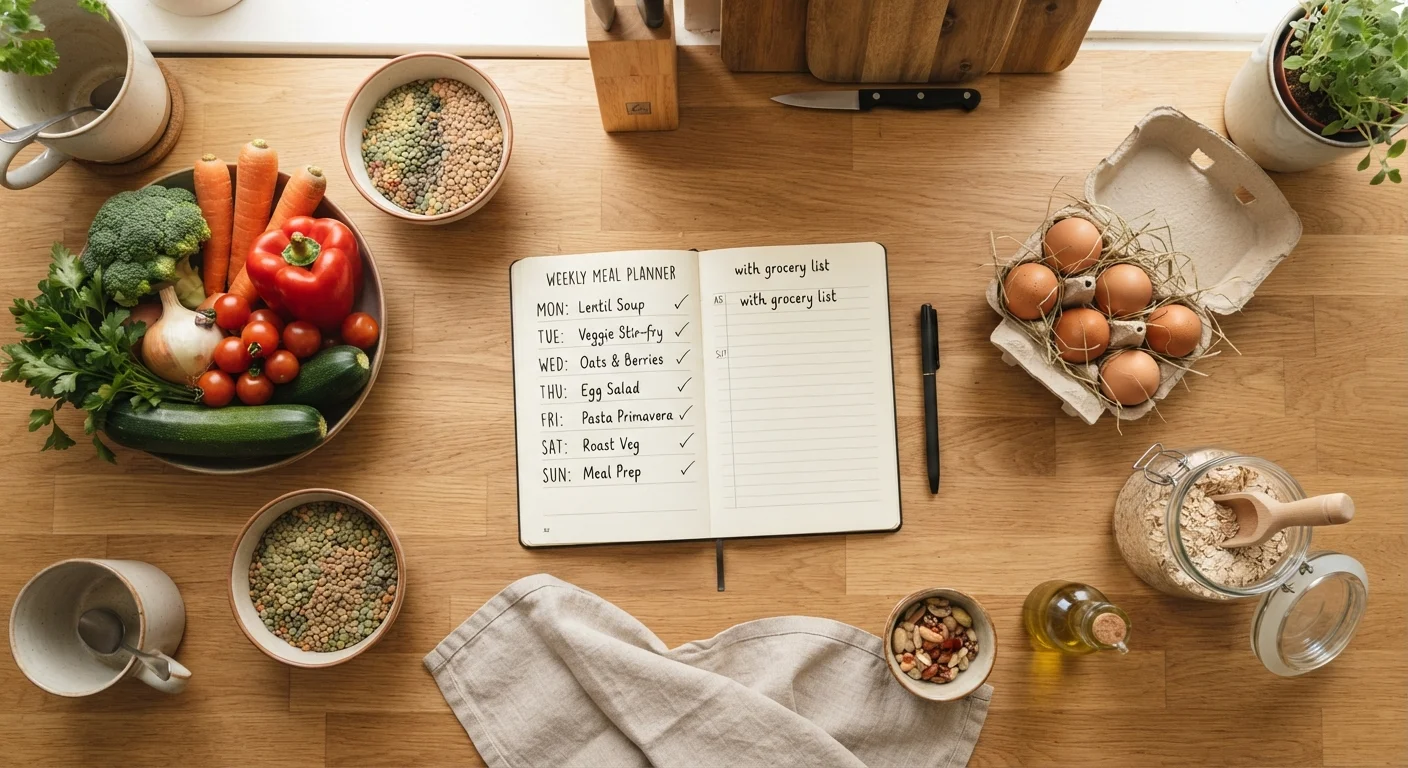
Photo credit: InsightsGrove.com | Discover Joy In Reading
A practical walkthrough for planning a full week of balanced meals without overcomplicating your shop or exceeding a modest food budget.
Key Takeaways
- Planning meals before you shop significantly reduces food waste and impulse spending.
- A handful of versatile staple ingredients can cover multiple meals across the week.
- Batch cooking grains, legumes, and proteins on one day saves time and money throughout the week.
- Nutritional balance is achievable on a modest budget by prioritizing whole foods over processed convenience items.
- A written weekly plan helps you shop with intention and avoid repeated, expensive top-up trips.
Why Planning Ahead Changes Everything
For most students, food spending spirals not because of extravagant choices but because of unplanned ones - a last-minute takeaway on a tired Tuesday, a second grocery run for one forgotten item, or a week's worth of vegetables quietly going soft in the crisper drawer. A simple written meal plan addresses all three problems at once.
The underlying principle is straightforward: when you decide in advance what you'll eat, you buy only what you need, cook more deliberately, and waste far less. Research in food behavior consistently shows that households with a planning habit spend less on food while eating more nutritiously - not because they have more money, but because they make fewer reactive decisions.
This doesn't require elaborate spreadsheets or rigid recipes. The core principles of budget nutrition come down to choosing whole foods, minimizing waste, and cooking from scratch where possible. A weekly meal plan is the practical mechanism that makes those principles stick.
Pantry Staples Cut Planning Time
A well-stocked pantry means your weekly plan starts from a position of abundance rather than scarcity. Keeping canned legumes, dried grains, olive oil, canned tomatoes, and basic spices on hand lets you construct a week's worth of meals around just a few fresh items. See our pantry staples guide for a practical checklist to get started.
If you're also managing other day-to-day expenses, the habits you build here connect directly to broader everyday budgeting strategies that help your money go further across the board.
What Your Week Might Actually Look Like
A realistic week of budget eating doesn't look like a chef's tasting menu - and it doesn't have to. It looks like oats with banana in the morning, leftover lentil soup for lunch, and a vegetable rice bowl for dinner. It's consistent, repeatable, and genuinely satisfying when the ingredients are good.
The seven steps below walk you through the full planning process, from auditing your cupboards to reviewing what worked at the end of the week. Each step builds on the last, so work through them in order the first time.
What you will need
Once you have the process down, the whole planning cycle - from audit to shopping list - typically takes under an hour. That investment pays off in reduced stress, fewer wasted groceries, and more consistent energy throughout the week.
Audit what you already have
Before writing a single meal idea, check your fridge, freezer, and cupboards. Note any grains, canned goods, eggs, frozen vegetables, or condiments already on hand. Building your week's plan around existing ingredients prevents duplication and unnecessary spending.
Choose a weekly framework, not a rigid script
Rather than prescribing exact recipes for every meal, assign loose categories to each day: for example, a bean-based dinner on Monday, eggs on Wednesday, and a grain bowl on Friday. This gives structure without locking you into meals you may not feel like eating. Allow one or two flexible "use-it-up" slots for leftovers.
Select four to six anchor ingredients
Anchor ingredients are versatile, affordable staples that appear across multiple meals. Good examples include dried lentils or canned chickpeas, oats, eggs, brown rice or whole wheat pasta, and a rotating seasonal vegetable. Limiting your core list keeps your grocery run short and your costs predictable. For a deeper look at which everyday foods deliver the most nutritional value per dollar, see our guide to affordable high-nutrition foods.
Map out breakfast, lunch, and dinner for seven days
Write out all 21 meal slots. Breakfasts can repeat - oats with fruit, eggs on toast, or yogurt with seeds are consistent, low-cost options. Lunches work best as planned leftovers from the night before, eliminating the need to cook twice. For dinners, aim for variety across your anchor ingredients: a lentil soup, a vegetable stir-fry with rice, a pasta with canned tomatoes and greens.
Build a consolidated shopping list
Transfer your ingredient needs into a single list, organized by section of the store (produce, dry goods, dairy/eggs, frozen). Calculate approximate quantities based on serving sizes and the number of meals each ingredient covers. Cross-reference with your pantry audit from Step 1 to avoid buying what you already have.
Set aside one cooking session for batch prep
On the day before your week begins - often a Sunday - cook a large batch of grains, roast a tray of vegetables, and prepare a base protein like a pot of lentils or a dozen boiled eggs. Portioning these into containers gives you ready components to assemble meals quickly throughout the week. This is the core logic behind batch cooking, which consistently supports both nutritional consistency and budget control.
Review and adjust at the end of the week
After your first full planned week, take ten minutes to note what worked and what didn't. Which meals did you actually enjoy? What went to waste? Were there days when the plan broke down? Use this to refine your framework for the following week. Meal planning improves steadily with iteration, not perfection on the first attempt.
For those interested in reducing prep time further, batch cooking is a natural extension of this system and is worth exploring once your weekly planning rhythm feels comfortable.
Don't Mistake Restriction for Balance
A tight food budget doesn't mean eating the same two meals on repeat. Nutritional variety - across protein sources, vegetables, and carbohydrates - is important for long-term health and is achievable affordably. If you consistently feel unwell, fatigued, or notice significant changes in your health, consult a qualified healthcare professional rather than adjusting your diet in isolation.
This Is General Information, Not Medical Advice
The guidance in this article is intended as general nutrition education for healthy adults. It does not constitute personalised dietary or medical advice. Individual nutritional needs vary depending on age, health status, activity level, and other factors. Always consult a registered dietitian or qualified healthcare provider for advice tailored to your specific circumstances.
This article is for general informational and educational purposes only and does not constitute medical or dietary advice. Consult a qualified healthcare professional for guidance specific to your health needs.

Author
Health & Wellness Editorial Team
Health & Wellness Editorial Team is the collective byline for our editorial team and contributor network. Articles published under this byline or an editorial pen name are researched, written, and reviewed according to our editorial standards for clarity, consistency, and independence before publication.
View all articles →