
A Seasonal Home Maintenance Checklist for Renters and Budget Homeowners
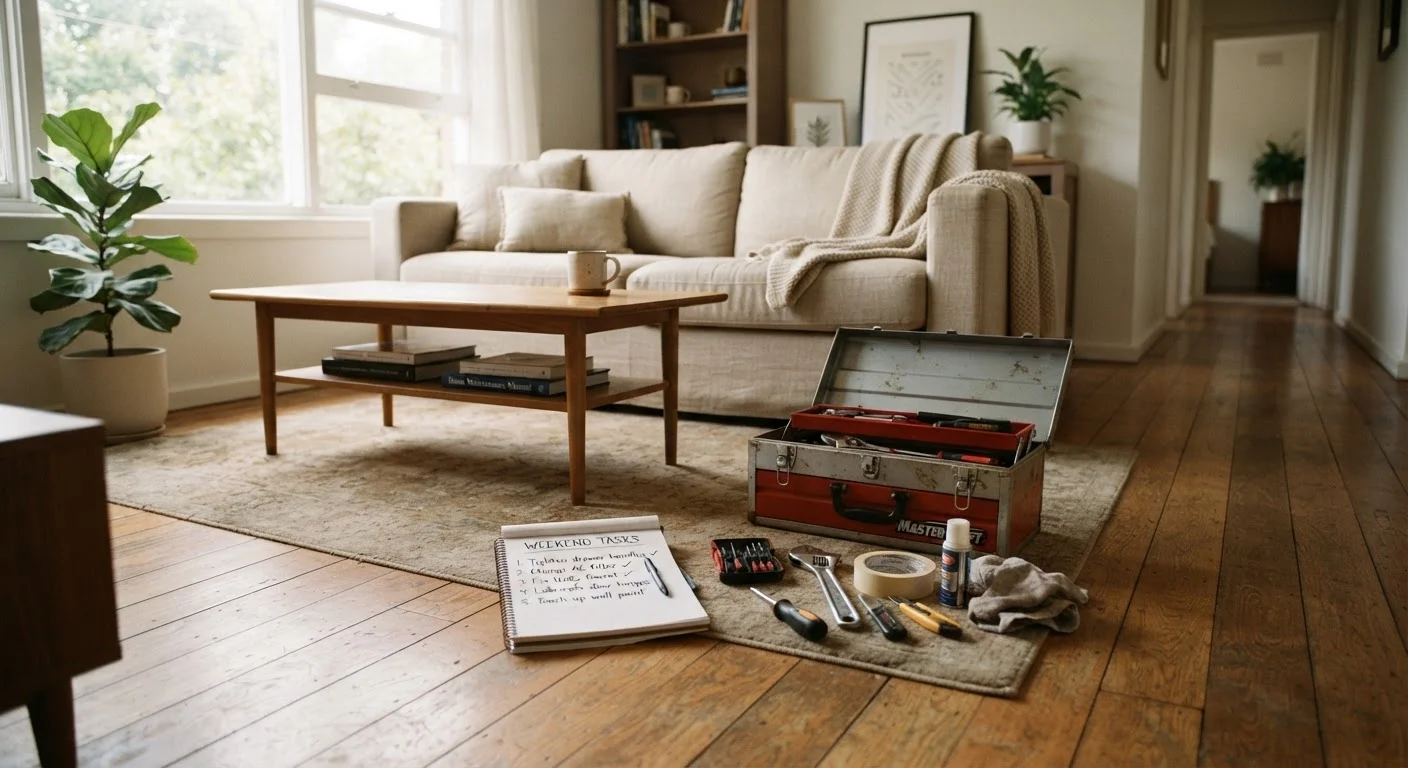
Photo credit: InsightsGrove.com | Discover Joy In Reading
In this article
Catch small problems before they become expensive ones. A practical season-by-season checklist covering the tasks most people skip.
Key Takeaways
- Most seasonal maintenance tasks cost nothing but time and catch problems before they escalate.
- Renters should document issues in writing and notify landlords promptly to protect their deposit.
- HVAC filters, smoke detectors, and caulking are the three highest-leverage items for budget households.
- Skipping seasonal checks rarely saves time - it usually creates larger, costlier repairs later.
- A basic toolkit covering screwdrivers, a caulking gun, and a flashlight handles most checklist items.
Why Seasonal Maintenance Matters for Renters and Budget Households
Home maintenance has a compounding problem: the longer you wait, the more it costs. A slow drain becomes a clog that becomes a plumber's invoice. A cracked window seal becomes a mold issue by spring. For renters, unaddressed problems can also cost you your security deposit - even when the underlying fault was pre-existing.
This checklist is designed to be completed in a single afternoon, once per season. It covers the tasks most households skip and focuses specifically on low-cost, low-tool actions that are within scope for both renters and budget homeowners. For a clear breakdown of which repairs you're actually permitted to do as a tenant, see our guide on repairs renters can legally handle.
Caulking gun and silicone sealant
Seals gaps around windows, doors, and fixtures to prevent drafts and moisture intrusion.
Flashlight
Lets you inspect under sinks, inside vents, behind appliances, and in low-light areas safely.
Flathead and Phillips screwdrivers
Needed for tightening outlet covers, opening battery compartments, and minor fixture adjustments.
HVAC filter (correct size for your unit)
Replaced each season to maintain air quality and system efficiency.
Smoke and CO detector batteries (typically AA or 9V)
Keeps life-safety detectors operational - replace annually at minimum.
Step stool or folding ladder
Provides safe access to ceiling fans, smoke detectors, and high vents.
Screen repair patch kit
Fixes small tears in window screens to block insects without replacing the full screen.
The Seasonal Checklist
Work through these groups in order, season by season. Items marked must are non-negotiable safety or lease-protection basics. Should items prevent the most common and expensive failures. Nice-to-have items improve comfort and energy efficiency but can be deferred if time is short.
Spring (March-May)
Summer (June-August)
Fall (September-November)
Winter (December-February)
Never DIY Electrical, Gas, or Structural Repairs
This checklist covers inspections and minor maintenance only. Any task involving your electrical panel, gas lines, structural framing, or roofing must be handled by a licensed professional. In most US jurisdictions, unpermitted work on these systems is illegal and may void your homeowner's insurance or lease agreement. When in doubt, document the issue and contact your landlord or a qualified contractor.
If you're a renter and find an existing issue during your checks - water damage, pest evidence, structural cracks - photograph it immediately and notify your landlord in writing. This protects you from being held responsible for damage you didn't cause. For a broader look at how small problems compound over time, read the hidden cost of ignoring small home repairs.
Renters: Document Before You Fix Anything
Before touching any pre-existing damage you discover during a seasonal check, photograph it with a time-stamped image and send written notice to your landlord. Acting on a repair without authorization can be interpreted as tenant responsibility for the underlying issue. Check your lease for specific clauses about tenant alterations or repairs before proceeding with anything beyond basic cleaning and upkeep.
Making the Checklist Work for Your Budget
The tools you need for this entire checklist fit in a single bag: a flashlight, flathead and Phillips screwdrivers, a caulking gun with a tube of silicone sealant, and a step stool. Most households either already own these or can borrow them. For a full overview of what tools to prioritise and how to scope repairs before spending anything, see our budget home repair reference.
Supplies like HVAC filters, weatherstripping, and smoke detector batteries typically run $5-$30 total per season - a fraction of what a single emergency repair or a lost security deposit would cost. If you're working on outdoor spaces too, pairing this checklist with some seasonal upkeep in your garden on a budget saves another round of effort.
Finally, treat this checklist as an audit, not just a to-do list. If you spot a repair that's beyond your skill level or involves electrical, gas, or structural elements, stop and call a licensed professional. No checklist saves money if it leads to an unsafe repair.
This article provides general home maintenance guidance for informational purposes only. For tasks involving electrical systems, gas lines, structural work, or any repair requiring a permit, consult a licensed, qualified professional and verify requirements with your local authority.

Author
Home & Living Editorial Team
Home & Living Editorial Team is the collective byline for our editorial team and contributor network. Articles published under this byline or an editorial pen name are researched, written, and reviewed according to our editorial standards for clarity, consistency, and independence before publication.
View all articles →