
The Hidden Cost of Ignoring Small Home Repairs
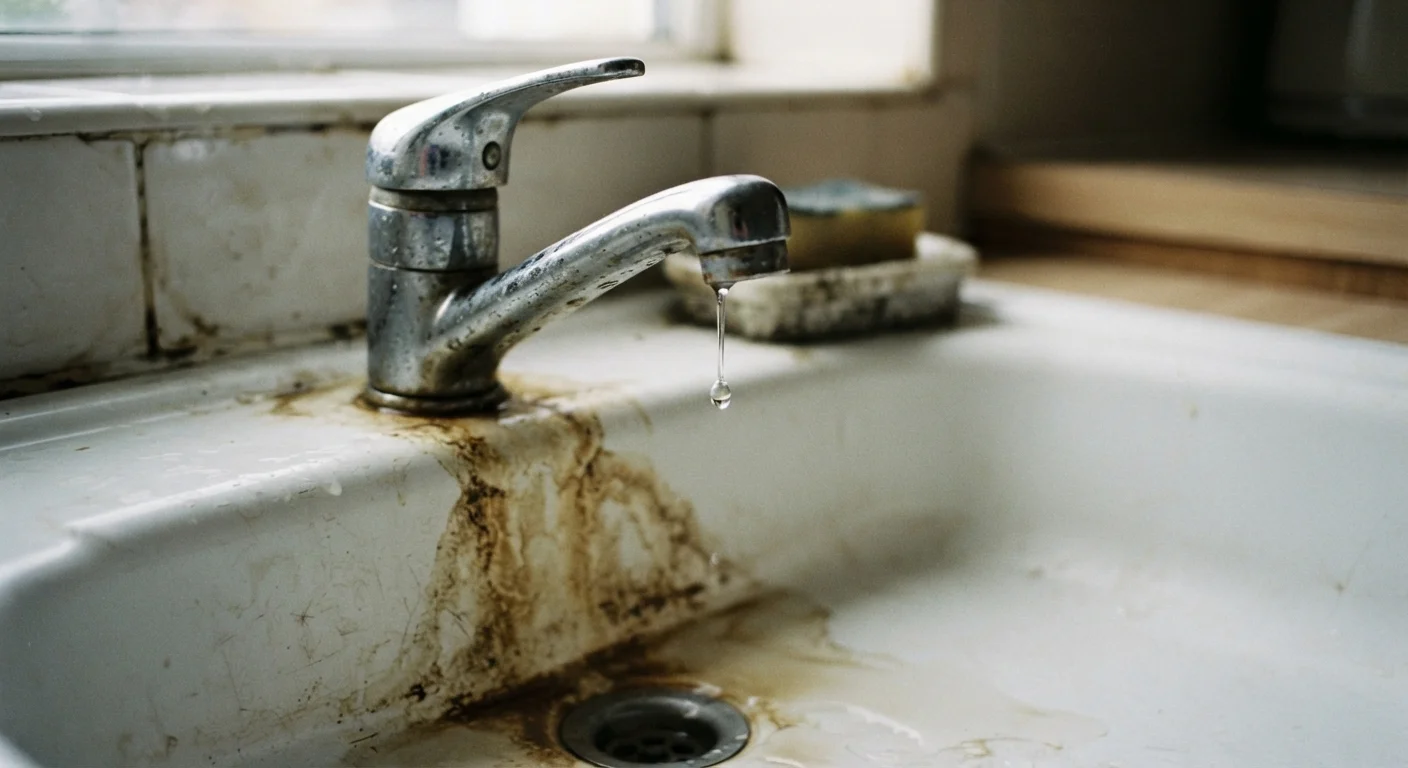
Photo credit: InsightsGrove.com | Discover Joy In Reading
In this article
A dripping tap or a hairline crack rarely stays small. Here's how deferred maintenance compounds over time — and what changes when you act early.
Key Takeaways
- Small repairs typically cost a fraction of the damage that results from ignoring them.
- Water intrusion is the most common driver of compounded home repair costs.
- Most deferred maintenance problems follow a predictable escalation path you can interrupt early.
- Renters and homeowners alike are affected - tenants may be responsible for unreported damage.
- A simple seasonal check routine is one of the highest-return habits a budget-conscious homeowner can adopt.
How Small Problems Compound Into Large Bills
Most home repair crises don't arrive without warning. They announce themselves first as small, easy-to-dismiss signals: a faint water stain on the ceiling, a toilet that runs for a few seconds after flushing, a gap appearing in the caulk around the bathtub. The problem isn't that homeowners miss these signs - it's that the cost of acting on them feels optional when the symptom seems minor.
That calculation is almost always wrong. Home damage follows a compounding logic similar to financial debt: the longer the underlying cause goes unaddressed, the more surface area it reaches and the more expensive it becomes to reverse. A dripping faucet wastes water and strains the fixture. Left alone, it can corrode the supply line, stain the basin, and eventually require not just a new washer but a full fixture replacement. The $8 repair becomes a $200 job.
14,000
US homes affected by water damage daily
According to the Insurance Information Institute, water damage and freezing claims are among the most frequent homeowner insurance losses in the US.
1%
Annual home value recommended for maintenance
A widely cited rule of thumb among housing advisers suggests budgeting roughly 1% of a home's value per year for maintenance - money that typically offsets far larger repair bills.
10,000+
Gallons wasted annually by a running toilet
The US Environmental Protection Agency estimates that household leaks - including running toilets - can waste more than 10,000 gallons of water per year in a typical home.
Water is the most aggressive driver of this escalation. It travels through materials, finds cavities, and creates conditions for mold - which, once established in wall cavities or subfloor material, requires professional remediation rather than a simple fix. The same pattern applies across systems: a loose roof flashing leads to sheathing rot; a failing caulk seal around a window lets in moisture that swells the frame and cracks the interior plaster.
The Repair Categories That Escalate Fastest
Not all deferred maintenance carries the same risk. Some issues - a sticking interior door, minor paint peeling on trim - can wait a season without meaningful consequence. Others escalate in weeks. Understanding which category a problem falls into is the first step to prioritizing.
- Water intrusion: Roof leaks, plumbing drips, failing seals around windows and tubs. These damage structural materials, promote mold, and void insurance claims when deemed neglect. See common plumbing problems you can address yourself for fixes that don't require a service call.
- HVAC and ventilation: A clogged dryer vent is a fire risk. A failing HVAC filter strains the motor, shortens equipment life, and raises energy bills - all measurable costs.
- Structural and foundation: Widening cracks, bowing walls, or soft spots in flooring may indicate movement. These require professional assessment and should never be deferred once identified.
- Pest entry points: Small gaps around pipes or foundation cracks invite rodents and insects. A tube of exterior caulk costs a few dollars; an infestation costs far more to remediate.
Do a Monthly Five-Minute Walk-Through
Pick one day a month to check the five highest-risk spots in your home: under sinks, around the base of toilets, along window frames, in the basement or crawl space, and on any visible exterior caulk or flashing. You're not looking for large problems - you're looking for change. A stain that wasn't there last month, a gap that has widened, a sound that's new. Catching drift early is the entire game.
The pattern mirrors what happens when drivers ignore dashboard warnings. Ignored warning lights follow the same escalation logic - small signals that become expensive failures when dismissed.
Acting Early: What the Math Actually Looks Like
Framing early repair as an investment rather than an expense makes the decision clearer. Consider a few illustrative cost comparisons based on commonly reported repair ranges:
| Problem ignored | Early fix (approximate) | Deferred outcome |
|---|---|---|
| Dripping faucet | $5-$15 in parts | Fixture replacement, potential staining |
| Failed caulk around tub | $6-$10 in materials | Subfloor water damage, mold remediation |
| Roof flashing gap | $50-$150 patched | Sheathing rot, interior ceiling damage |
| Running toilet | $10-$20 flapper kit | Wasted water bills, potential valve failure |
These figures are illustrative - actual costs depend heavily on your location, the age of your home, and how far damage has progressed. The consistent principle, however, holds: early action costs a fraction of remediation.
For a structured approach to catching problems before they compound, a season-by-season maintenance checklist gives you a repeatable system. And when you're ready to tackle repairs without overspending, durable principles for budget repairs help you prioritize without cutting corners.
Frequently Asked Questions

Author
Home & Living Editorial Team
Home & Living Editorial Team is the collective byline for our editorial team and contributor network. Articles published under this byline or an editorial pen name are researched, written, and reviewed according to our editorial standards for clarity, consistency, and independence before publication.
View all articles →