
Limescale, Slow Drains, and Running Toilets: Low-Cost Plumbing Fixes Explained
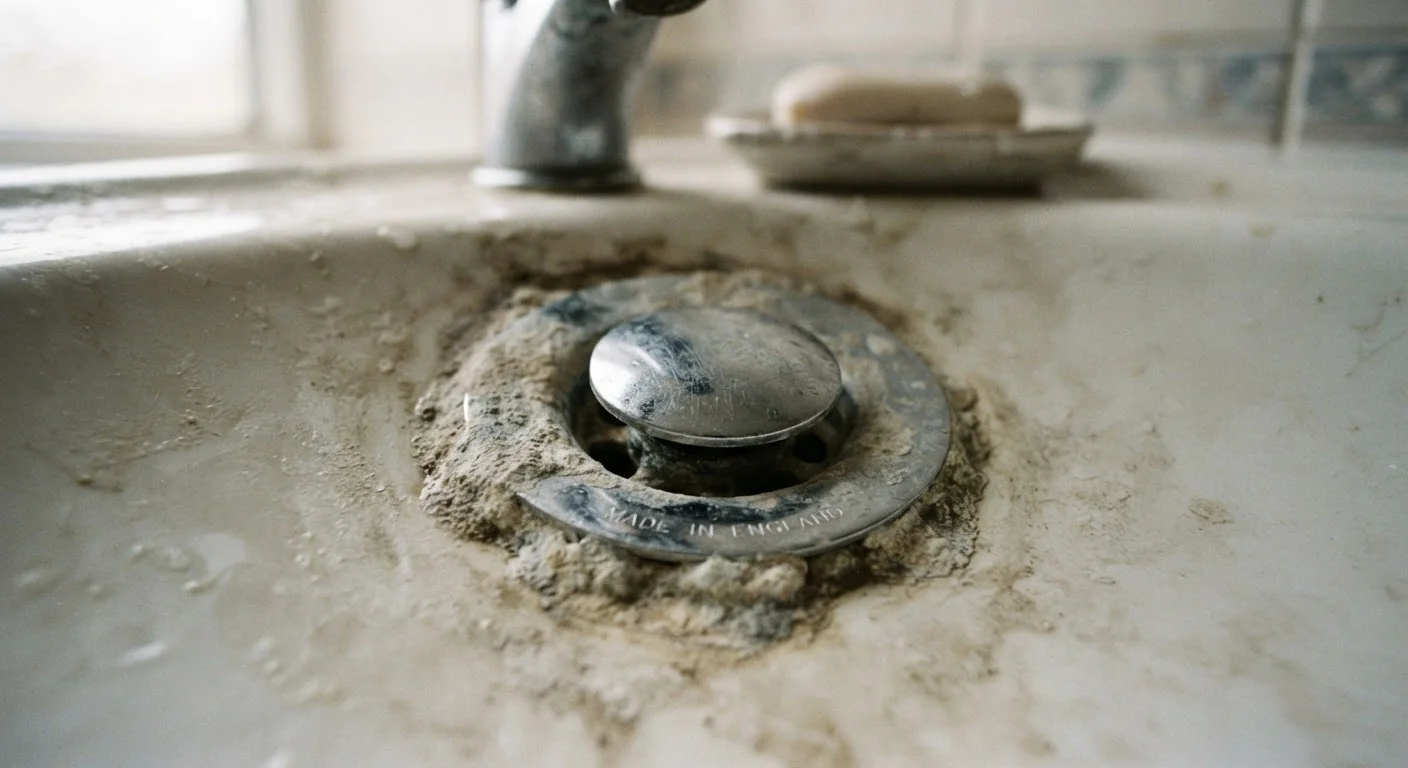
Photo credit: InsightsGrove.com | Discover Joy In Reading
In this article
Three of the most common household plumbing nuisances — and how to address each one without calling a plumber for a simple job.
What You're Actually Dealing With
Three plumbing nuisances account for a large share of homeowner frustration: limescale buildup, slow-draining sinks or tubs, and toilets that won't stop running. None of them automatically requires a professional visit - but each one will get worse and more expensive if left alone. See how deferred maintenance compounds over time for a broader picture of why acting early matters.
| Share of U.S. homes with hard water | ~85% (U.S. Geological Survey) |
| Water wasted by a running toilet daily | Up to 200 gallons (U.S. Environmental Protection Agency) |
| Typical flapper valve replacement cost | $5-$15 (DIY parts only) (General market range; verify locally) |
| Recommended drain cleaning frequency | Every 1-3 months (General plumbing maintenance guidance) |
| Acetic acid concentration in white vinegar | ~5% (Standard U.S. household white vinegar) |
Understanding what's causing each problem is the first step to fixing it without guesswork or wasted money.
Limescale
A chalky, white mineral deposit that forms when hard water (water with high calcium and magnesium content) evaporates and leaves minerals behind. It commonly accumulates inside pipes, around faucets, and in toilet bowls.
Flapper valve
A rubber seal inside a toilet tank that opens to release water during a flush and closes to allow the tank to refill. A worn or warped flapper is the most common cause of a running toilet.
P-trap
The curved section of pipe beneath a sink drain (shaped like the letter P). It holds a small amount of water to block sewer gases and is a frequent site for debris buildup causing slow drains.
Hard water
Water with elevated concentrations of dissolved minerals, primarily calcium carbonate and magnesium. The U.S. Geological Survey estimates that roughly 85% of American homes receive hard water.
Limescale: Dissolve It, Don't Scrub It
Limescale is a mineral deposit, not dirt, so abrasive scrubbing typically scratches surfaces without fully removing the buildup. The more effective approach is chemical dissolution using a mild acid.
White vinegar method: For faucet aerators, showerheads, and toilet bowl rings, white distilled vinegar (approximately 5% acetic acid) is a practical first tool. Submerge removable parts - like an aerator - in undiluted vinegar for 30-60 minutes, then rinse. For fixed fittings, secure a small bag of vinegar around the fixture with a rubber band and leave it for the same duration.
Toilet bowls: Pour one to two cups of white vinegar directly into the bowl, let it sit for at least an hour, then scrub with a toilet brush. For heavier deposits, a pumice stone (used wet and gently) can address stubborn rings without scratching vitreous china - test on a hidden area first.
Inside pipes: Limescale inside supply pipes is harder to address without professional descaling equipment. Focus on accessible fixtures and consider a whole-home water softener evaluation if buildup is severe throughout your home. That said, water softeners are a significant purchase - weigh the cost honestly against your actual hard-water impact. This connects to a broader principle in doing home repairs on a tight budget: fix the symptom you can reach before investing in system-wide solutions.
Up to 200 gal/day
Water lost from a single running toilet
According to the U.S. Environmental Protection Agency, a continuously running toilet can waste up to 200 gallons of water per day.
~85%
U.S. homes affected by hard water
The U.S. Geological Survey estimates approximately 85% of American households receive water with elevated mineral content.
Slow Drains: Clear the Blockage Without Harsh Chemicals
Slow drains are almost always caused by accumulated hair, soap scum, or grease - not a pipe problem. The P-trap (the curved section under the sink) and the drain opening are the two most common blockage points.
Step 1 - Remove visible debris: Use a drain snake or a plastic hair-removal tool (a barbed plastic strip available at hardware stores) to pull out accumulated hair and soap from the drain opening. This is unglamorous but usually effective.
Step 2 - Flush with hot water and dish soap: Boiling water can crack PVC pipes; very hot tap water is safer. A squirt of dish soap followed by a steady flow of hot water helps dissolve grease buildup.
Step 3 - Baking soda and vinegar flush: Pour half a cup of baking soda down the drain, follow with half a cup of white vinegar, and cover the opening for 15 minutes. The fizzing reaction can help loosen soap scum. Rinse with hot water.
Chemical drain cleaners: These products can clear clogs, but frequent use can degrade older pipes (especially older metal pipes) and is harmful to septic systems. Use them sparingly and follow label directions exactly.
Prevention matters: a simple mesh drain cover over shower and tub drains catches hair before it accumulates. This kind of low-cost habit is the same logic that applies to reducing water waste in the garden - small, consistent habits beat reactive fixes.
Running Toilets: Usually a $10 Fix
A toilet that runs continuously is wasting a significant amount of water - and adding to your utility bill every day. The EPA estimates this can reach up to 200 gallons per day in an actively running toilet. The good news: the most common cause is a worn flapper valve, which is a straightforward replacement.
When to Stop and Call a Licensed Plumber
The fixes described here are suitable for routine maintenance that doesn't involve opening walls, working on supply lines under pressure, or dealing with sewage backups. If a slow drain affects multiple fixtures simultaneously, or you notice foul odors from more than one drain, that may signal a main-line blockage - a job for a licensed plumber. Similarly, if toilet tank components look corroded or the porcelain is cracked, professional assessment is the right call. When in doubt, stop and consult a qualified tradesperson.
Diagnose first: Remove the toilet tank lid and observe. If water is trickling into the bowl continuously, the flapper isn't sealing properly. If water is spilling into the overflow tube (the tall open tube in the center of the tank), the float may be set too high, causing the tank to overfill.
Replacing the flapper: Shut off the water supply valve (the knob or lever on the wall behind the toilet base), flush to empty the tank, then unhook the old flapper from the two ears on the flush valve and detach the chain from the flush handle arm. Bring the old flapper to a hardware store to match the size - flappers are not universal. Hook the new one on, reconnect the chain (leaving slight slack), and turn the water back on. Test several flushes.
Adjusting the float: If the overflow tube is the issue, the float - either a ball float on an arm or a cup float on the fill valve - needs to be lowered. Most modern cup floats have an adjustment screw or a pinch clip on the fill valve. Turn the screw counterclockwise or slide the clip down to lower the water level to about an inch below the top of the overflow tube.
These repairs are among the highest-return, lowest-cost home maintenance tasks available. For a broader framework on prioritizing which repairs to tackle yourself, see principles for doing home repairs on a tight budget. And if you rent, check with your landlord before making any plumbing changes - some repairs are the landlord's responsibility, and renter-appropriate improvements have their own considerations.

Author
Home & Living Editorial Team
Home & Living Editorial Team is the collective byline for our editorial team and contributor network. Articles published under this byline or an editorial pen name are researched, written, and reviewed according to our editorial standards for clarity, consistency, and independence before publication.
View all articles →