
Watering Your Garden Without Watching Your Water Bill Climb
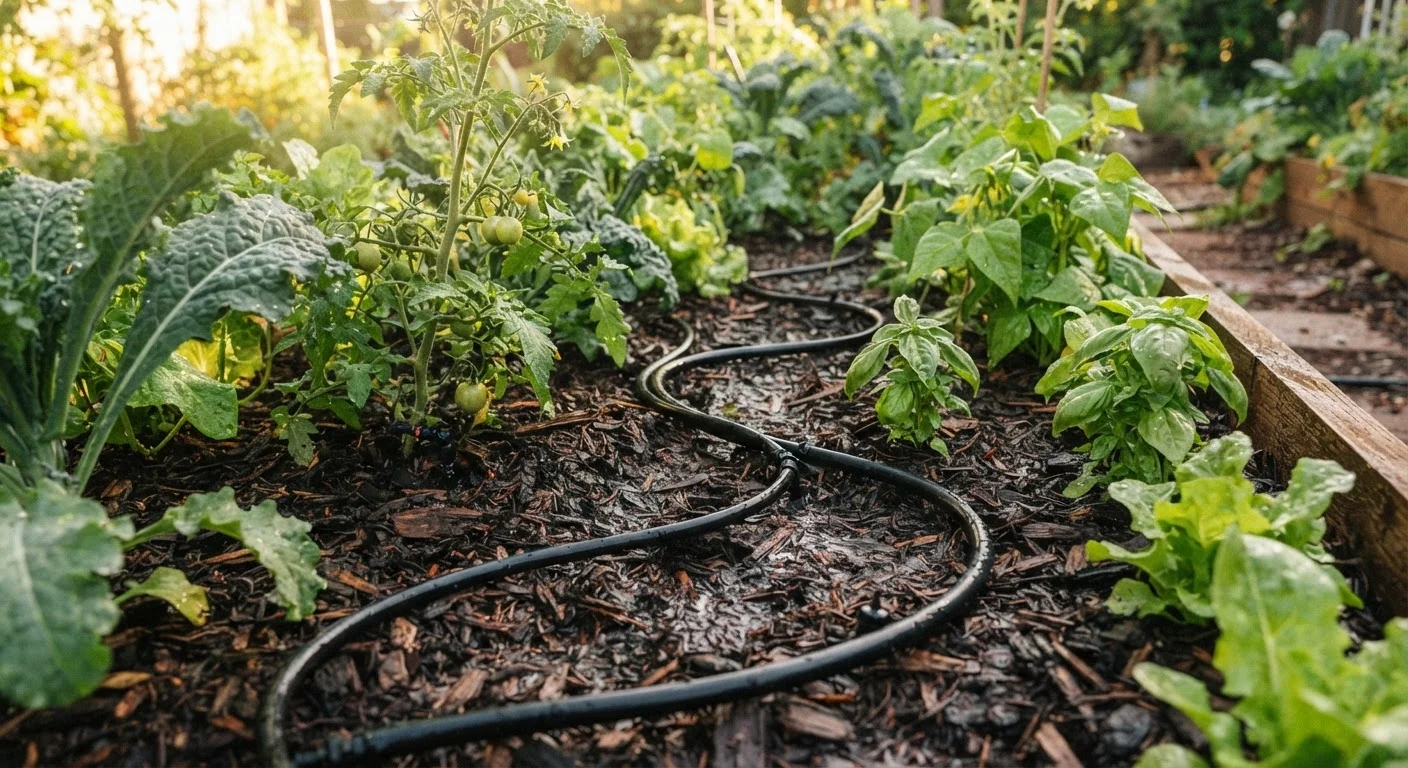
Photo credit: InsightsGrove.com | Discover Joy In Reading
In this article
Smart watering habits — from timing to mulching — can keep plants healthy while meaningfully reducing how much water you actually use.
Key Takeaways
- Watering in the early morning reduces evaporation and can cut overall water use significantly.
- Mulching garden beds helps retain soil moisture, reducing how often you need to water.
- Drip irrigation delivers water directly to roots, minimizing waste compared to overhead sprinklers.
- Grouping plants by water needs prevents over-watering thirsty plants' drought-tolerant neighbors.
- Collecting rainwater in barrels is a low-cost way to supplement tap water use.
Why Your Watering Habits Matter More Than You Think
Outdoor water use accounts for a substantial share of household water consumption in the US - estimates from the EPA suggest landscape irrigation makes up roughly 30% of residential water use nationally, and that figure climbs in drier regions. For renters and homeowners managing tight budgets, that's a real line item worth scrutinizing. The good news: most gardens are over-watered, not under-watered, meaning there's genuine room to cut back without harming your plants.
Watering inefficiency usually isn't intentional. It comes from habitual patterns - running sprinklers on a schedule regardless of recent rain, watering midday when evaporation is highest, or soaking entire beds when only specific plants need moisture. Small adjustments to these habits add up meaningfully over a growing season. If you're already thinking about trimming recurring costs, our guide to cutting fixed costs is a useful companion read.
~30%
Share of US residential water use from outdoor irrigation
According to the US Environmental Protection Agency (EPA), landscape irrigation accounts for roughly 30% of household water use nationally, with higher rates in dry climates.
50%
Estimated irrigation water wasted through inefficiency
The EPA estimates that as much as 50% of water used for landscape irrigation is wasted due to evaporation, runoff, or overwatering.
Core Practices for Smarter Garden Watering
The practices below are grounded in general horticultural guidance and work across most garden types - raised beds, in-ground plots, and container gardens alike. Pair these with an understanding of your specific plants' needs for the best results.
Water in the early morning, before 9 a.m.
Midday watering loses a significant portion of moisture to evaporation before it reaches plant roots. Morning watering gives water time to soak into soil while temperatures are cooler, and foliage dries before evening, which reduces the risk of fungal disease.
Apply a 2-3 inch layer of mulch around plants.
Mulch acts as an insulating blanket over soil, slowing moisture evaporation and reducing the frequency of watering needed. It also suppresses weeds that would otherwise compete for the same water.
Use drip irrigation or soaker hoses instead of overhead sprinklers.
Overhead sprinklers wet foliage and surrounding paths as well as the soil, wasting water on areas where it provides no benefit. Drip systems deliver water slowly and directly to the root zone, where plants can actually absorb it.
Group plants by their water requirements.
Planting drought-tolerant herbs next to thirsty leafy greens means one group is always getting more or less water than it needs. Clustering plants with similar needs allows you to water each zone appropriately without compromise.
Collect and use rainwater where permitted.
Rainwater is free and generally preferable for plants compared to chlorinated tap water. Even a basic barrel under a downspout can accumulate a useful supply during wet periods, offsetting tap water use during dry spells.
Water deeply and less frequently rather than shallowly and often.
Frequent shallow watering encourages roots to stay near the soil surface, making plants more vulnerable to heat stress and drought. Deep, infrequent watering promotes roots to grow downward, where soil retains moisture longer.
Quick Wins You Can Apply This Week
You don't need to overhaul your entire setup to start saving water. A few targeted changes deliver results almost immediately.
Check for Leaks in Your Outdoor Setup
A dripping outdoor tap or a pinhole in a hose can waste far more water than you'd expect over a season. Before optimizing your watering routine, do a quick visual inspection of all hose connections and spigots. If you notice issues indoors too, our low-cost plumbing fixes guide covers common household water-wasting problems worth addressing.
Putting It All Together on a Budget
None of these changes require expensive equipment. A basic soaker hose costs a fraction of an automated sprinkler system and can be threaded through beds in minutes. A rain barrel can often be sourced through local municipal programs or community groups at low or no cost - worth checking with your local water utility before purchasing. Mulch, whether wood chips, straw, or shredded leaves, is often available free from tree trimming services or municipal yard waste programs.
The bigger investment is simply attention: learning when your soil actually needs water (a finger pushed an inch into the soil is a reliable low-tech test) rather than watering on a fixed schedule. Combined with choosing plants suited to your local climate, these habits form the foundation of a garden that's both productive and cost-conscious. For more on building an affordable growing space from the ground up, see the real costs of starting a garden and our article on free and low-cost ways to get plants.
Rainwater Collection Laws Vary by State
Some US states have historically restricted rainwater harvesting, though many have loosened those regulations in recent years. Before setting up a rain barrel, check your state's current rules - most state environmental or water authority websites publish up-to-date guidance. In most states today, small-scale residential collection for garden use is permitted.

Author
Home & Living Editorial Team
Home & Living Editorial Team is the collective byline for our editorial team and contributor network. Articles published under this byline or an editorial pen name are researched, written, and reviewed according to our editorial standards for clarity, consistency, and independence before publication.
View all articles →