
The Real Costs of Starting a Garden (and Where You Can Cut Them)
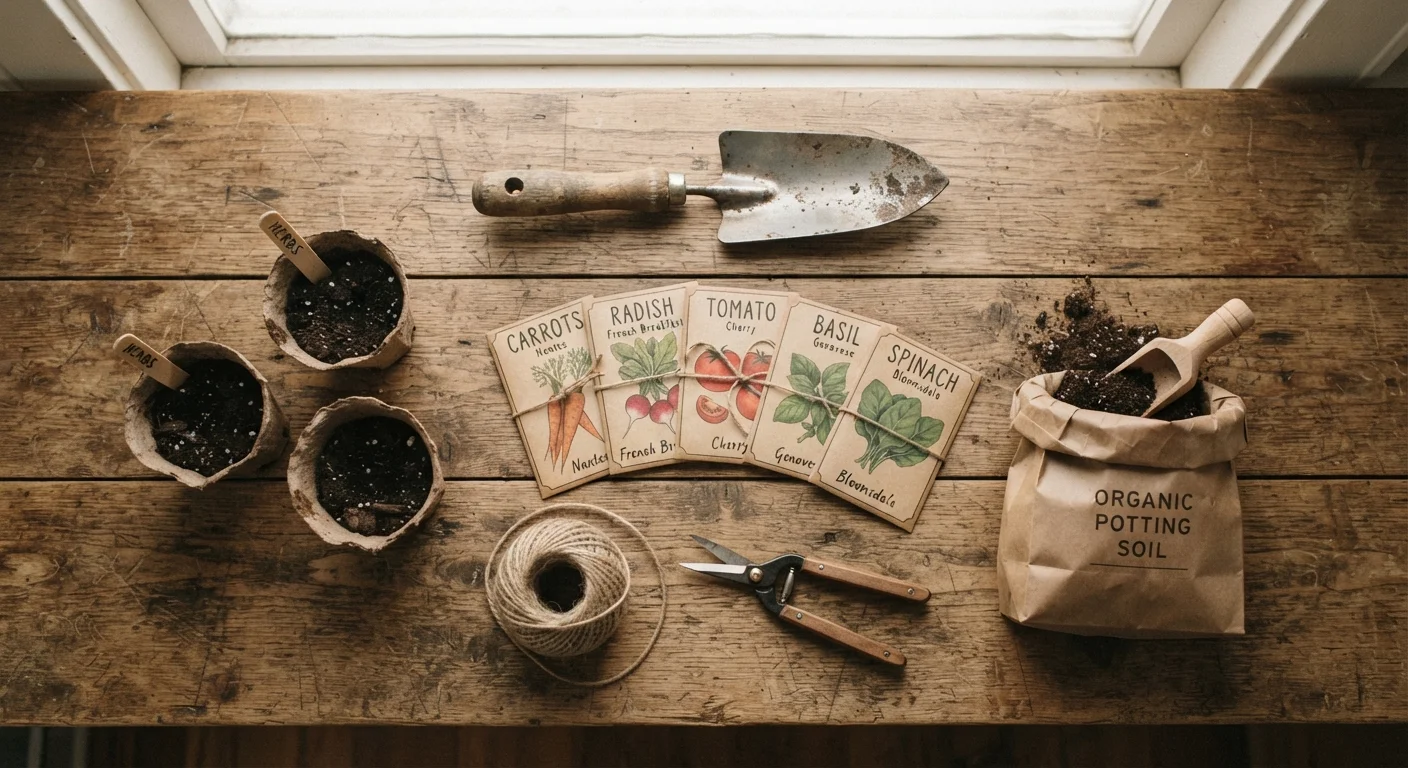
Photo credit: InsightsGrove.com | Discover Joy In Reading
In this article
A transparent breakdown of what beginner gardeners actually spend — and practical ways to reduce that figure without sacrificing results.
Key Takeaways
- First-year gardening costs typically range from under $50 to over $300, depending on scale and approach.
- Soil and containers are usually the largest costs - and also where beginners overspend most easily.
- Seeds cost a fraction of transplants and give you far more plants per dollar.
- Many tools can be borrowed, found secondhand, or skipped entirely when starting small.
- Year-two costs drop sharply once you own tools and begin saving seeds or making compost.
- Choosing high-yield crops helps ensure your garden pays back in satisfaction, not just effort.
Where the Money Actually Goes
Most beginner gardeners underestimate costs in one area and overspend in another. Here's how a realistic first-year budget typically breaks down:
- Soil and amendments: Often the largest line item. A single large bag of potting mix can cost $12-$20, and filling a 4×8 raised bed from scratch may require $80-$150 in materials depending on your region.
- Seeds and transplants: A packet of seeds ranges from $2-$5 and contains dozens of plants. Nursery transplants, by contrast, typically cost $3-$7 each - a meaningful difference at scale.
- Containers or beds: Repurposed buckets and salvaged lumber cost little to nothing. New raised bed kits can run $60-$200 before you've added a speck of soil.
- Tools: A basic trowel and hand fork run $10-$20 total. Beginners often overbuy here, purchasing specialized items before they know what they need.
- Water: Easy to overlook. See our guide on watering without watching your water bill climb for habits that keep this cost low.
Total realistic range for a small first-year garden: $40-$200, depending on choices made in each category above.
$30-$75
Minimum realistic first-year garden cost
Based on a small container or in-ground plot using seeds, basic tools, and a single bag of amended soil.
10-20×
Plants per dollar: seeds vs. transplants
A seed packet producing 50 plants at $3 yields roughly 16 plants per dollar; a transplant at $4 each yields 0.25 plants per dollar.
~60%
Typical cost reduction by year two
Once tools are owned and compost production is underway, most gardeners spend a fraction of their first-year outlay in subsequent seasons.
The Highest-Leverage Places to Cut Costs
Not all savings are equal. These areas offer the biggest return for the least sacrifice:
Choose Seeds Over Transplants
One $3 seed packet of lettuce can yield 50+ plants. Three transplants from a nursery cost the same and give you three plants. For crops like carrots, beans, beets, and most herbs, direct sowing from seed is also the better cultural practice - so you're not giving anything up.
Borrow or Source Tools Secondhand
Garden tools are among the most commonly resold household items. Thrift stores, neighborhood apps, and community tool libraries are worth checking before buying new. A borrowed shovel for soil prep costs nothing.
Make Your Own Amendments
Purchased fertilizers and soil conditioners add up fast. Composting kitchen scraps is a zero-cost path to nutrient-rich soil amendment, even in a small apartment with a compact bin.
Start Small and Expand
A garden that's 4×4 feet costs a fraction to set up compared to 4×8, and teaches you far more in year one. Expand once you've learned what works in your specific conditions. The full season walkthrough walks through this phased approach in detail.
Seed Libraries Are Worth Finding
Many public libraries and community centers run seed lending programs where you can borrow seeds at no cost and return some from your harvest at season end. A quick search for "seed library" plus your city or county name is often all it takes. This can reduce your seed costs to zero in year one.
What Beginners Overspend On (and Don't Need to)
Marketing to new gardeners is aggressive. Several product categories are routinely oversold:
- Specialty potting mixes: A general-purpose potting mix works fine for most vegetables. Premium "garden formulas" rarely justify their cost differential. Understanding what's actually in the bag matters more - see our explainer on soil, potting mix, and compost.
- Raised bed kits: Convenient, but expensive. Salvaged lumber (untreated), cinder blocks, or even in-ground planting with amended soil achieves equivalent results at far lower cost.
- Unnecessary gadgets: Soil meters, drip timers, and propagation mats have legitimate uses - but none of them are essential in year one. A finger pressed into the soil tells you more about watering needs than most meters.
Many gardening misconceptions are tied to spending - if you'd like to challenge a few more, the article on common gardening myths is worth a read before you open your wallet.
Making Year Two (and Beyond) Much Cheaper
The best news about gardening costs: they front-load. Most of what you spend in year one becomes a permanent asset - tools last decades, soil improves with organic matter, and experience is free.
By year two, you can realistically eliminate or dramatically reduce spending on:
- Tools - you already own them.
- Soil amendments - your compost pile is producing, your existing soil has improved.
- Seeds - many vegetables (tomatoes, beans, squash, peppers) can be saved from your harvest and replanted. This requires some technique but no money.
Focusing on high-yield, low-effort vegetables from the start also means your harvest is more likely to feel worth the investment - a practical way to stay motivated and build on success each season.
Gardening is ultimately a skill that compounds. The more you grow, the less it costs and the better your results. Starting small and spending deliberately in year one is the single best financial decision a new gardener can make.
“The greatest fine art of the future will be the making of a comfortable living from a small piece of land.”
— Abraham Lincoln, 16th President of the United States, known advocate of agricultural self-sufficiency
Frequently Asked Questions

Author
Home & Living Editorial Team
Home & Living Editorial Team is the collective byline for our editorial team and contributor network. Articles published under this byline or an editorial pen name are researched, written, and reviewed according to our editorial standards for clarity, consistency, and independence before publication.
View all articles →