
Vegetables That Give You the Most Food for the Least Effort
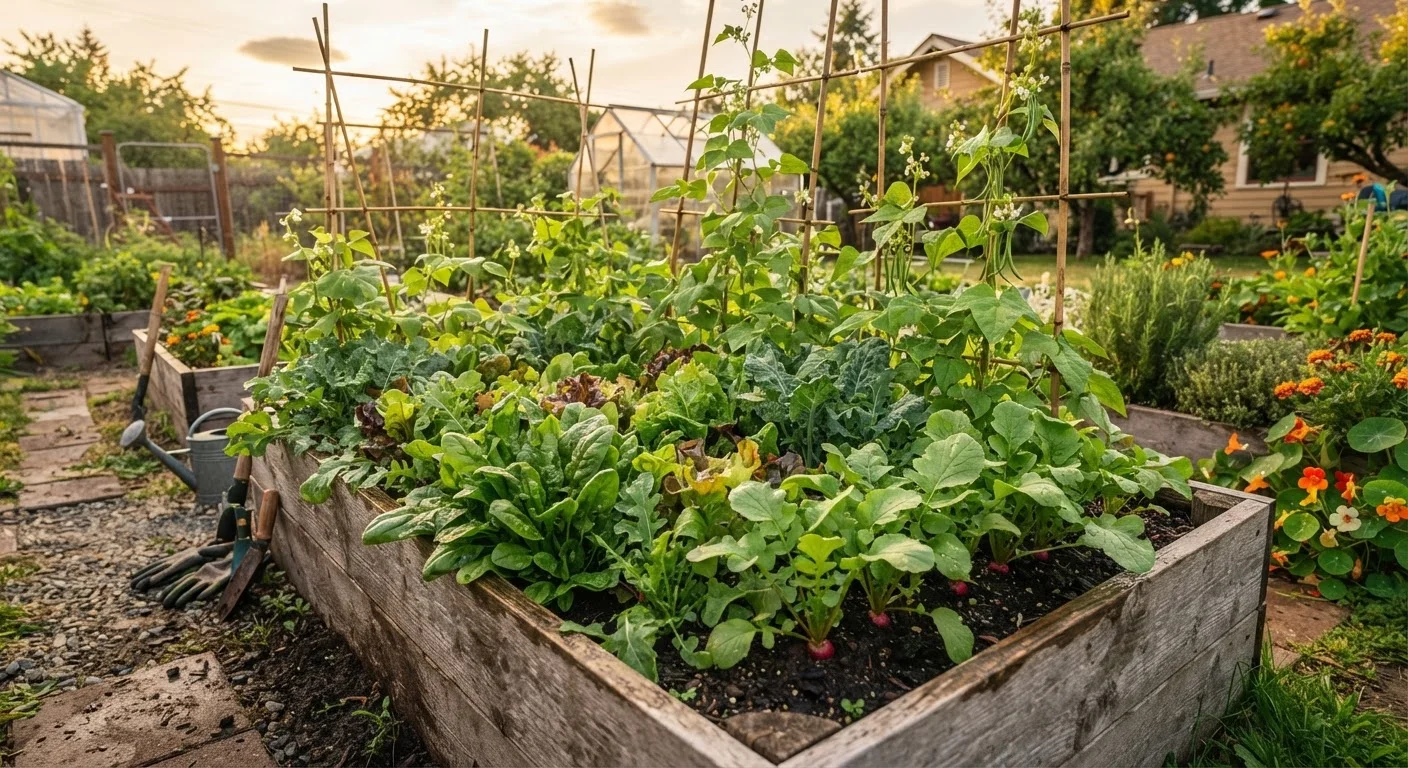
Photo credit: InsightsGrove.com | Discover Joy In Reading
In this article
Some crops are simply more rewarding for beginners — high yields, low maintenance, and minimal cost. Here's where to focus your growing energy.
Key Takeaways
- Some vegetables produce more food per square foot than others - choosing them strategically cuts effort significantly.
- Many high-yield crops can be grown from inexpensive seeds and thrive even in small or container spaces.
- Beginner-friendly vegetables tend to tolerate inconsistent watering and less-than-perfect soil conditions.
- Growing your own food can meaningfully reduce grocery costs, though results vary by region and season.
- Starting with proven easy crops builds confidence and practical skills for expanding your garden later.
Why Crop Choice Matters More Than Effort
Most beginner gardeners lose momentum not because they lack dedication, but because they chose the wrong crops first. Some vegetables demand precise conditions, long growing seasons, or constant attention - and deliver modest harvests in return. Others practically grow themselves, producing more food than a small household can eat with minimal fuss.
The vegetables on this list were selected on three criteria: high yield relative to space, low maintenance requirements, and short enough growing windows that beginners see results quickly. If you're gardening on a budget, these crops also tend to be among the most expensive at the grocery store, making the savings more tangible. For a fuller picture of what starting out actually costs, see what beginner gardeners actually spend.
Lettuce and salad greens
Cut-and-come-again lettuce varieties are among the most rewarding crops for any new grower. Rather than harvesting the whole plant, you snip outer leaves and the plant keeps producing for weeks. A single 12-inch pot or a short row in a raised bed can supply enough salad greens for several meals per week throughout the cooler months.
Loose-leaf varieties (as opposed to headed types like iceberg) are faster-growing and more tolerant of beginner mistakes. They prefer cooler temperatures - spring and fall are ideal - and bolt (go to seed) in summer heat, so timing matters. Sow seeds directly; they're tiny and cheap, and germination is typically reliable within a week.
One short row of loose-leaf lettuce can supply salads for weeks on end.
Radishes
Radishes are frequently called the beginner's vegetable for good reason: many varieties go from seed to harvest in 25-30 days. They need almost no attention beyond occasional watering and thinning, and they grow well in shallow containers or between slower-growing crops where they use otherwise wasted space.
Their fast turnaround means you can squeeze in multiple plantings per season. Sow a small batch every two weeks through spring and again in early fall for a near-continuous supply. The greens are also edible, so there's essentially zero waste from the plant.
Radishes can go from seed to table in under a month - ideal for impatient beginners.
Zucchini and summer squash
A single healthy zucchini plant is famous (sometimes notoriously so) for outproducing what a household can actually eat. One or two plants are typically enough for most families, and they ask very little in return: full sun, consistent moisture, and room to sprawl. Direct sow seeds after the last frost date in your area and expect to start harvesting within about 50-60 days.
Harvest fruits when they're small - around 6-8 inches - for better flavor and to keep the plant producing. Leaving zucchini to grow oversized actually slows production, so frequent picking is both the reward and the maintenance task.
Two zucchini plants will likely produce more than one household can easily consume.
Bush beans
Bush beans (as opposed to pole beans, which need staking) are self-supporting, fast-maturing, and produce generous harvests from a small footprint. They fix nitrogen in the soil as they grow, which can actually improve the ground for crops planted in that spot the following season - a meaningful bonus in a budget-conscious garden.
Direct sow seeds after your last frost date; they dislike transplanting. Most varieties are ready to harvest in 50-60 days. Unlike pole beans, no trellis or support structure is needed, which lowers setup cost and complexity considerably.
Bush beans fix nitrogen in the soil while producing heavy harvests - a double return on minimal investment.
Swiss chard
Swiss chard is one of the most forgiving leafy vegetables you can grow. It tolerates heat better than spinach, handles light frost, and like lettuce can be harvested leaf by leaf over a long season. A small planting can supply greens from late spring through fall in most U.S. climates - unusually long for a single crop.
It's also less prone to bolting than many greens and tolerates partial shade, making it useful in spots that don't get full sun all day. Seeds are inexpensive and germinate reliably. The stems and leaves both cook well, which makes it versatile in the kitchen and reduces food waste.
Swiss chard produces over a remarkably long season and tolerates conditions that defeat other greens.
Herbs: basil, chives, and parsley
Herbs punch well above their weight for the cost and space they occupy. Fresh herbs at grocery stores are expensive relative to the small quantity you get, and a container or small bed of your own plants means harvesting just what you need, when you need it. Chives in particular are nearly indestructible - they regrow after cutting, survive light frost, and can persist for years.
Basil is warm-season only and needs consistent warmth to thrive, while parsley is a biennial that stays productive through its first full year. Starting from seed is straightforward and significantly cheaper than buying established plants - see whether seeds or seedlings make more sense for your situation.
Fresh herbs cost far more per ounce at the store than almost any other produce you can grow yourself.
Building From Here
None of these crops require a backyard. Most thrive in containers, making them practical for renters and apartment dwellers - growing food without a backyard is more achievable than most people expect. If you're ready to plan a full growing season around these picks, the full season walkthrough covers everything from soil prep to harvest. And before buying at a garden center, it's worth exploring free and low-cost ways to source seeds and cuttings - community seed libraries alone can eliminate most upfront costs.
Start Small, Then Scale
Resist the temptation to plant every crop on this list at once in your first season. Pick two or three that fit your space and cooking habits, do them well, and expand the following year. A small, well-tended patch consistently outperforms a larger one that becomes overwhelming to manage.
Growing your own produce won't eliminate grocery bills, but for budget nutrition, even a modest harvest of salad greens or beans can make a consistent dent in weekly food spending.

Author
Home & Living Editorial Team
Home & Living Editorial Team is the collective byline for our editorial team and contributor network. Articles published under this byline or an editorial pen name are researched, written, and reviewed according to our editorial standards for clarity, consistency, and independence before publication.
View all articles →