
Free and Low-Cost Ways to Get Plants, Seeds, and Cuttings
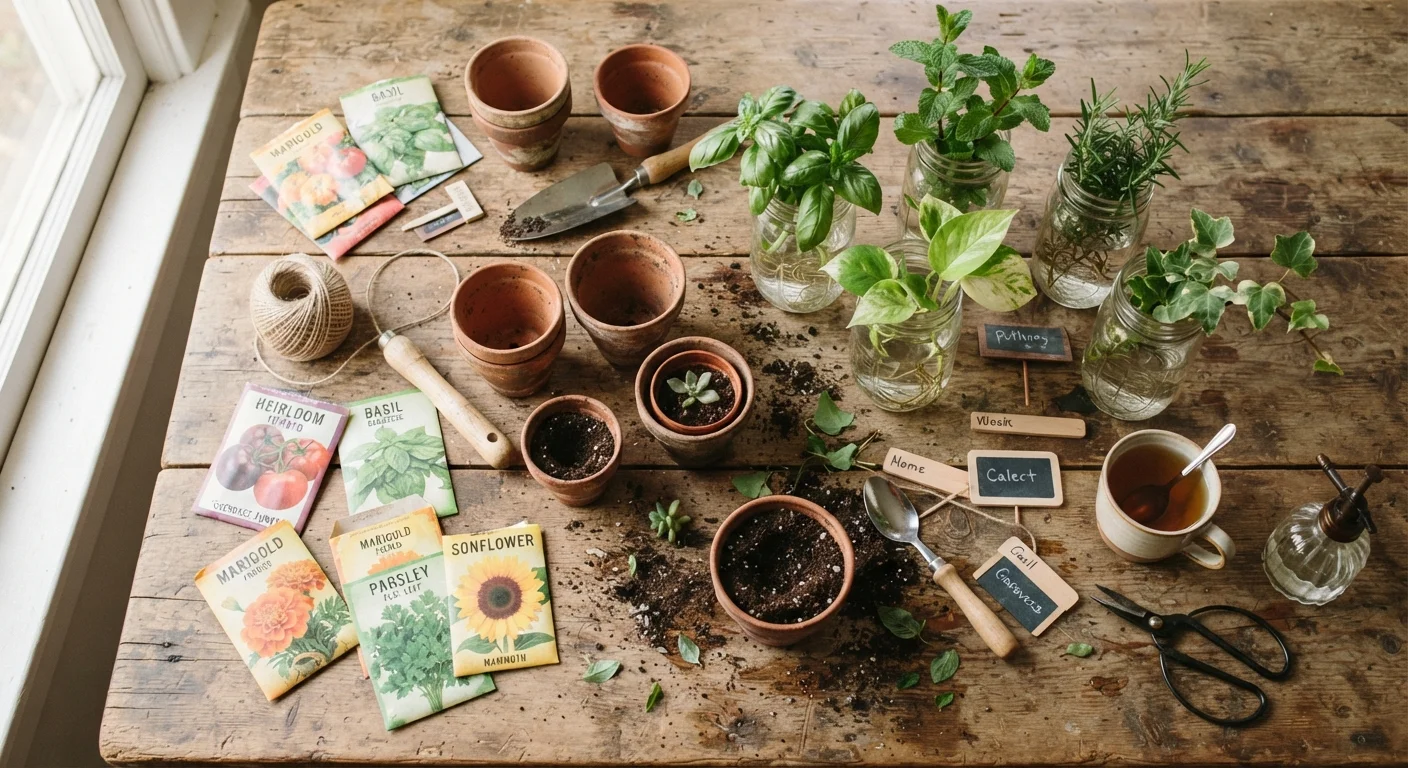
Photo credit: InsightsGrove.com | Discover Joy In Reading
Seed libraries, community swaps, propagation, and more — a practical look at how gardeners source plants without spending much at all.
Key Takeaways
- Seed libraries and community swaps are often completely free and widely available across the US.
- Propagating cuttings from existing plants is one of the most reliable ways to multiply your garden at zero cost.
- Online neighborhood networks and local gardening groups regularly offer free plants to anyone willing to pick them up.
- Starting from seed is significantly cheaper than buying seedlings, especially for high-yield vegetables.
- End-of-season nursery markdowns can cut plant costs by 50-75% for perennials worth replanting.
Growing a Garden on a Near-Zero Budget
The biggest misconception in gardening is that you need to spend money at a nursery before you can grow anything. In practice, experienced gardeners often spend very little on plants because they know where to look - and what to ask for. Whether you're working a balcony, a backyard, or a few windowsills (see our guide to container gardening for renters), your starting plant material doesn't have to cost much at all.
The strategies below range from fully free to low-cost, and most require nothing more than a bit of planning and a willingness to connect with other growers. They're also part of a broader picture - if you want a transparent look at what gardens actually cost and where the real savings live, the real costs of starting a garden is worth reading alongside this.
Use your local seed library
Seed libraries operate out of public libraries, community centers, and cooperative extension offices across the US. You borrow seeds, grow your plants, and - ideally - return seeds at season's end to keep the library stocked. Many don't require you to return anything, making them genuinely free. Search your county library's website or call your local cooperative extension office to find one nearby. Selections often lean toward open-pollinated and heirloom varieties, which are well-suited to seed-saving for future seasons.
Seed libraries are genuinely free and often stocked with heirloom varieties worth growing season after season.
Attend or organize a plant and seed swap
Community plant swaps happen in church parking lots, farmers' markets, community gardens, and neighborhood parks - often in spring and fall. Participants bring divisions, cuttings, or packed seed envelopes and trade with other growers. If there's no swap near you, organizing one through a local Facebook group or Nextdoor takes minimal effort and tends to attract enthusiastic participants quickly. Even a small swap among a half-dozen neighbors can yield a meaningful haul of diverse plant material.
A plant swap among six neighbors can yield more variety than a full nursery run - at zero cost.
Propagate cuttings from plants you already own
Many common houseplants and garden plants - pothos, coleus, basil, rosemary, mint, hydrangeas - root easily from stem cuttings placed in water or moist soil. This is arguably the most scalable free strategy because one plant can produce dozens of new starts over a season. The basic process: take a 4-6 inch cutting just below a leaf node, remove lower leaves, and place in water or a well-draining propagation mix. Results vary by species, but most herbaceous plants and soft-wooded shrubs respond well. Check species-specific guidance before attempting woody or succulents, as methods differ.
One healthy rosemary plant can yield dozens of new cuttings across a single growing season.
Check neighborhood apps and online community boards
Platforms like Nextdoor, local Facebook gardening groups, and Freecycle regularly feature posts from gardeners offloading divisions, surplus seedlings, or potted plants they no longer have space for. These giveaways are often hyperlocal - someone a few blocks away thinning out their hostas or clearing a raised bed. Set up keyword alerts for terms like "free plants," "seedlings," or "garden giveaway" in your area. Response times matter: popular posts move quickly, so act the same day if you see something useful.
Keyword alerts on neighborhood apps can surface free plant giveaways before most people even see them.
Save seeds from your own produce
Open-pollinated and heirloom varieties - as opposed to hybrids - produce seeds that reliably reproduce the parent plant. Tomatoes, peppers, beans, peas, and squash are among the easiest to save from. Allow a few fruits to fully ripen beyond eating stage, extract and dry the seeds, then store them in a cool, dry place in labeled paper envelopes. Done consistently, seed saving creates a self-sustaining supply. Note that hybrid varieties (often labeled F1) won't breed true, so check what you're growing before saving.
Seed saving from open-pollinated tomatoes or beans creates a self-sustaining supply year after year.
Shop nursery end-of-season clearance
Nurseries discount unsold stock heavily as the season winds down - perennials, shrubs, and trees can drop to 50-75% off their peak price. These plants aren't dead; they're just dormant or past their showiest phase. Perennials in particular are worth buying late because they'll establish over winter and come back strong the following spring. The trade-off is limited selection and some variability in plant condition, so inspect root systems before buying and avoid anything with signs of disease or severe root binding.
End-of-season perennials at steep discounts establish just as well as full-price spring purchases.
Divide overgrown perennials - yours or a neighbor's
Many perennials - hostas, daylilies, ornamental grasses, coneflowers - need to be divided every few years to stay healthy. Gardeners with overcrowded clumps are often grateful for someone to help dig and take divisions. Ask neighbors with established gardens whether anything needs thinning, or post in a local gardening group. Division is best done in early spring or fall when temperatures are mild. Divisions transplant well and typically establish faster than seedlings, giving you a head start on a mature-looking planting.
Offering to divide an overgrown perennial bed is a fair trade that benefits both gardeners equally.
Making the Most of What You Source
Getting plants cheaply is only half the equation - keeping them alive and productive is where the value compounds. If you're weighing whether to start from seed or buy a seedling, our breakdown of seeds vs. seedlings covers the real trade-offs in time, cost, and success rate. And once you've got things growing, pairing free plant sourcing with smart soil choices matters: cheap potting mix can undermine even free seeds, so it's worth knowing what to look for.
Label Everything You Bring Home
Free and swapped plants often arrive without tags, and it's easy to lose track of what you're growing once things are in the ground. Keep a simple notebook or phone photo log of each plant's source and suspected variety. This saves guesswork at harvest time and helps you return accurate seeds or cuttings to swap networks in future seasons.
For crops that reward low-effort growing, focus your new plants on high-yield varieties. Our article on vegetables that give you the most food for the least effort identifies which ones punch above their weight for beginners. And if you're sourcing a lot of new greenery, feeding it doesn't have to cost money either - composting kitchen scraps is a natural companion habit.

Author
Home & Living Editorial Team
Home & Living Editorial Team is the collective byline for our editorial team and contributor network. Articles published under this byline or an editorial pen name are researched, written, and reviewed according to our editorial standards for clarity, consistency, and independence before publication.
View all articles →