
Why Cheap Potting Soil Often Costs More in the Long Run
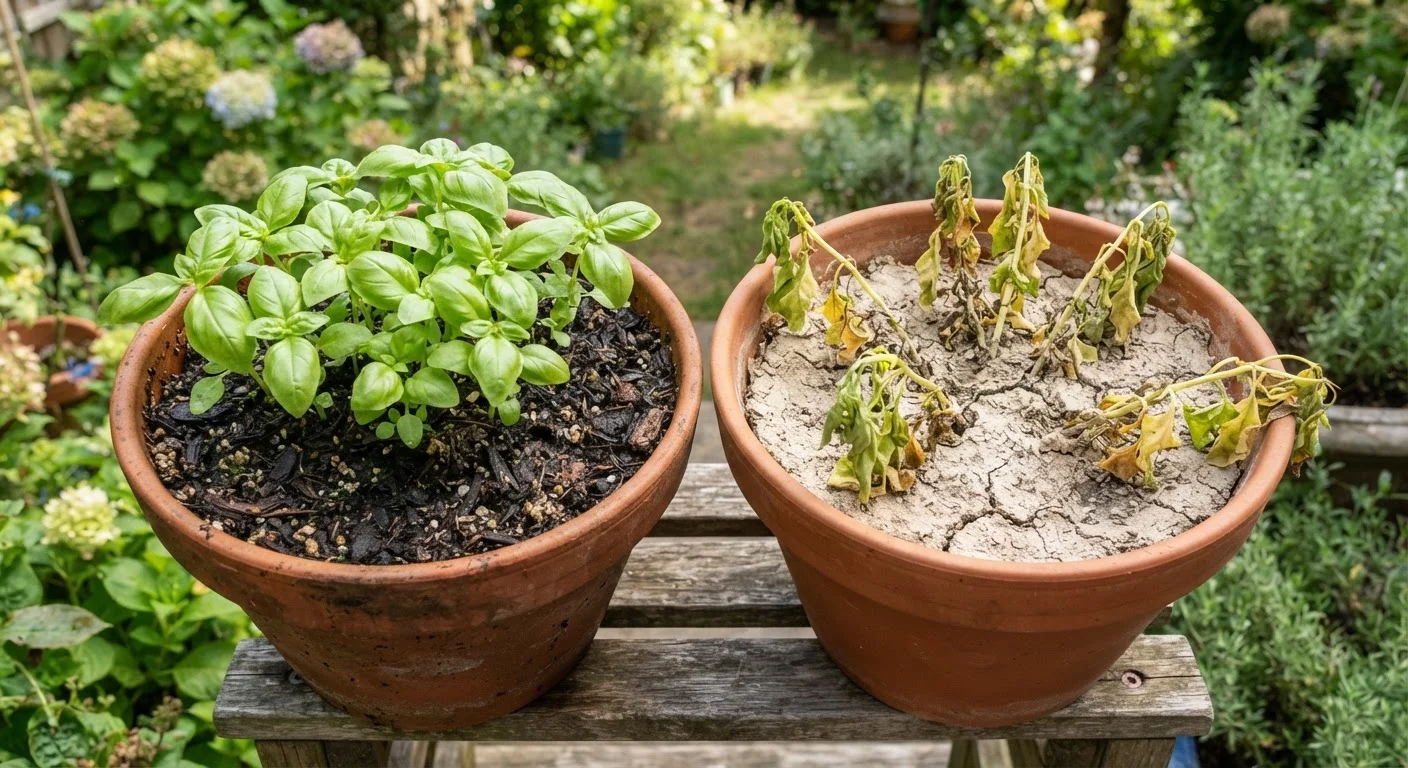
Photo credit: InsightsGrove.com | Discover Joy In Reading
In this article
Bargain potting mix can mean poor drainage, weak plants, and wasted seeds. Learn what to look for to avoid a costly false economy.
Key Takeaways
- Budget potting mixes often lack the structure and nutrients plants need to establish properly.
- Poor drainage caused by cheap soil can kill plants faster than underwatering or overwatering.
- Replacing failed plants, seeds, and time typically costs far more than the initial soil savings.
- Reading the ingredient label on potting mix is the single most reliable way to gauge quality.
- Mixing in compost or perlite can improve a mid-range mix without paying premium prices.
What Makes Potting Mix 'Cheap' - and Why It Matters
Not all potting mixes are formulated equally. Quality products typically combine a base like peat or coco coir with structural amendments - perlite, vermiculite, or coarse bark - to keep air pockets open around roots. They may also include a starter charge of slow-release fertilizer. Budget products often substitute cheap, high-volume fillers: uncomposted wood fiber, sandy sediment, or low-grade peat that breaks down within weeks.
The result is a mix that performs adequately for a short window, then collapses. Drainage slows, oxygen is cut off from roots, and plants either drown during watering or dry out rapidly because the structure can no longer hold moisture evenly. For a deeper look at how potting mix differs from garden soil and compost, see our plain-language guide to soil types.
False Economy Kills Plants - and Budgets
When a bag of potting mix costs half the price, it's tempting to grab it without question. But cheap mixes frequently contain high proportions of filler materials - low-grade wood fiber, uncomposted bark, or peat with no added nutrients - that compress quickly, drain poorly, and leave roots starved. One failed tray of seedlings or a dead container plant erases any savings immediately.
Common Mistakes Gardeners Make When Buying Potting Mix
These errors show up repeatedly - especially among first-time container gardeners working with limited budgets. Recognizing them upfront saves money, plants, and frustration.
Choosing potting mix based on price per bag rather than ingredients.
Why it happens: The bags look similar on the shelf, and the per-unit price difference feels like an easy win for a budget gardener.
Using the same low-cost mix for every plant type without adjustment.
Why it happens: Gardeners assume one bag covers all needs, especially when just starting out.
Skipping the smell and texture test before buying.
Why it happens: Most shoppers evaluate bags visually without physically assessing the product inside.
Ignoring drainage after planting because the mix looked adequate at first.
Why it happens: Budget mixes often look acceptable when fresh and moist, then collapse and compact after a few waterings.
Reusing old potting mix from failed plants without treatment.
Why it happens: It feels wasteful to discard soil, especially if funds are tight.
If you're also weighing whether to start from seed or buy seedlings, the soil quality decision connects directly to that choice. Seeds versus seedlings covers how starting method affects your overall spend and success rate.
Beware of Heavily Discounted Clearance Mixes
Potting soil marked down steeply at the end of season may have been stored in ways that degrade its structure or introduce pests and mold. Check bags for tears, compaction, or a sour smell before purchasing. Degraded mix can introduce fungus gnats or anaerobic conditions that harm seedling roots from day one.
How to Get Better Results Without Overspending
The goal isn't to buy the most expensive bag on the shelf - it's to avoid the ones that will cost you more in plant losses than you saved at checkout. A mid-range mix with a transparent ingredient list, amended with a handful of perlite per gallon of soil, often outperforms premium products at a fraction of the price.
60-70%
Container plant failures linked to soil issues
Extension horticulture programs consistently cite poor growing media - including compaction and drainage failure - as one of the leading causes of container plant death among home gardeners.
3-5x
Replacement cost versus quality soil savings
Replacing a full tray of seedlings, fresh seeds, and a gardener's time typically costs several times the price difference between budget and mid-grade potting mixes.
Compost - especially homemade or sourced through community programs - can stretch a mid-grade mix further by adding beneficial microorganisms and slow-release nutrition. If your overall garden startup costs feel overwhelming, a transparent cost breakdown for new gardeners can help identify where cuts make sense and where they don't. Soil is rarely the right place to cut corners - but smart sourcing and mixing can keep the spend reasonable.
For gardeners exploring every angle of low-cost growing, free and low-cost plant sourcing methods rounds out the picture. And if you're thinking about your container setup more broadly, raised beds versus in-ground planting compares soil volume requirements and costs across growing methods.

Author
Home & Living Editorial Team
Home & Living Editorial Team is the collective byline for our editorial team and contributor network. Articles published under this byline or an editorial pen name are researched, written, and reviewed according to our editorial standards for clarity, consistency, and independence before publication.
View all articles →