
Seeds vs. Seedlings: Which Starting Point Actually Saves You More
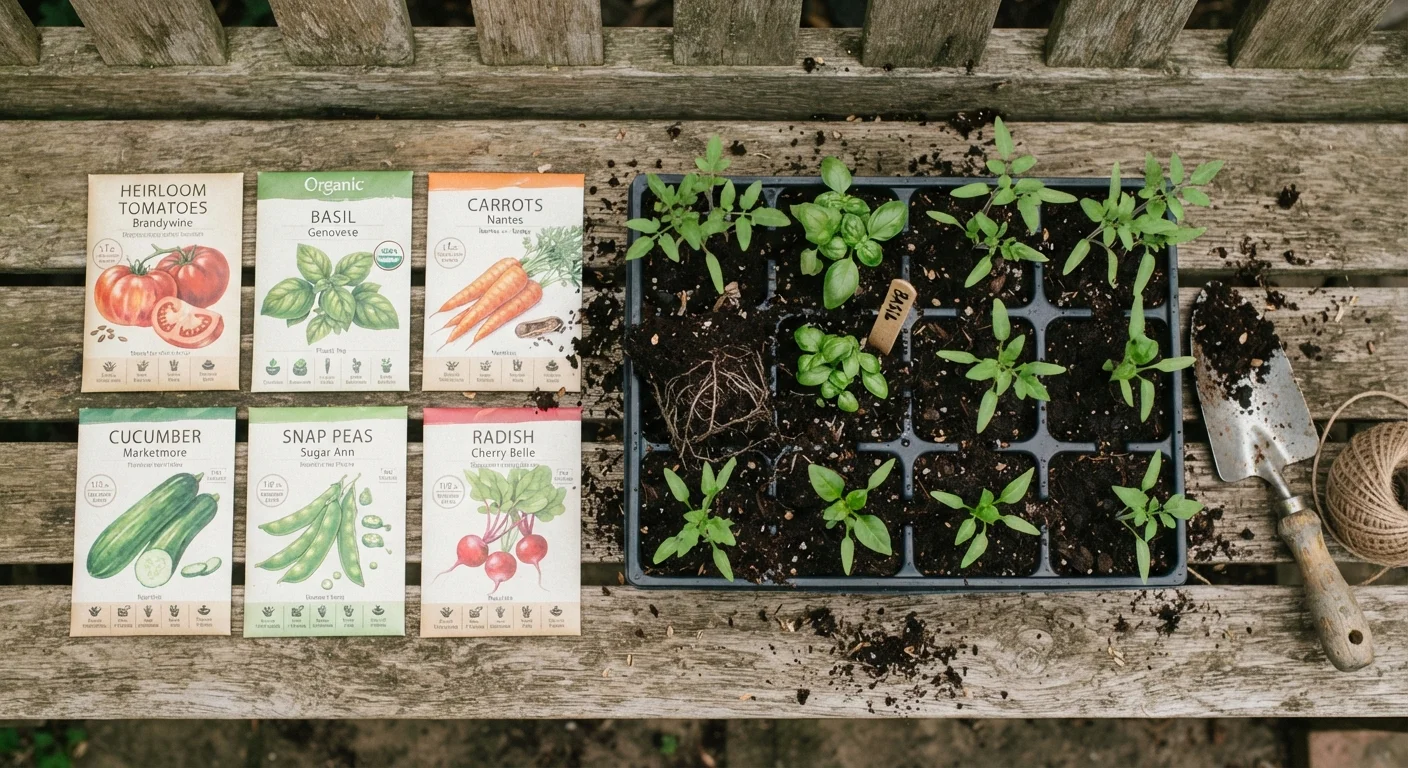
Photo credit: InsightsGrove.com | Discover Joy In Reading
In this article
Seeds are cheaper upfront, but seedlings save time. Here's how to weigh cost, effort, and success rates before planting season.
Key Takeaways
- Seeds cost a fraction of seedlings but require more time, equipment, and attention to germinate successfully.
- Seedlings reduce failure risk and compress your timeline, but cost significantly more per plant.
- Some crops - like root vegetables and beans - do better sown directly from seed regardless of your budget.
- Mixing both approaches by season and crop type often delivers the best overall value.
- Free and community seed sources can dramatically lower the cost of starting from seed.
The Real Cost Difference Between Seeds and Seedlings
The price gap between seeds and seedlings is significant. A packet of tomato seeds might contain 25-50 seeds for around $3-$5, while a single tomato seedling at a garden center typically runs $4-$8 or more. That's a cost-per-plant ratio that can be 10x or higher in favor of seeds - on paper.
But the full picture is more complicated. Starting from seed requires additional materials: seed-starting mix, trays or containers, a light source if you're starting indoors, and time to monitor germination and thin seedlings. For gardeners without these supplies already, those startup costs erode the savings quickly. See our breakdown of real beginner garden costs for a clearer picture of what to budget for overall.
Seedlings sidestep most of that infrastructure. You're paying for weeks of someone else's labor and resources - which explains the price premium, and why it can be worth it depending on your situation.
| Criterion | Seeds | Seedlings |
|---|---|---|
| Upfront cost per plant | Very low ($0.10-$0.25 typical) | Higher ($4-$8+ each) |
| Additional supplies needed | Trays, mix, lights, time | Minimal - just soil and space |
| Time to harvest | Longer - full cycle from germination | Shorter - weeks already done |
| Failure risk | Higher - germination not guaranteed | Lower - past germination stage |
| Crop flexibility | Works for all crop types | Not suitable for root vegetables |
| Variety selection | Wide - hundreds of options | Limited to what nurseries stock |
| Best for late-season planting | Risky - may not mature in time | Yes - head start built in |
Success Rates and What Can Go Wrong
Germination is the most variable part of growing from seed. Germination rates on seed packets often range from 70-90%, but real-world results depend on soil temperature, moisture consistency, and seed freshness. A cold snap, dry spell, or poor-quality starting mix can wipe out an entire tray. Our article on why potting mix quality matters explains how cutting corners on growing medium can lead to seedling failure.
Seedlings remove this gamble. By the time you bring one home, it has already survived the most precarious stage of plant life. That said, transplant shock is real - moving a seedling incorrectly or at the wrong time can set it back by weeks.
10x+
Cost difference per plant, seeds vs. seedlings
A single seedling often costs as much as an entire seed packet, making volume planting far cheaper with seeds when conditions allow.
70-90%
Typical seed germination rate on packet labels
Real-world germination can fall well below labeled rates if soil temperature, moisture, or seed freshness are not managed carefully.
Crops matter too. Direct-sow vegetables - carrots, parsnips, radishes, peas, and beans - don't take well to transplanting and should almost always be grown from seed regardless of cost. For these, seedlings aren't just more expensive; they're largely unavailable and inadvisable. For crops where both options exist, like tomatoes, peppers, and herbs, the choice becomes a genuine judgment call. See which vegetables give the most return for effort to help prioritize what to grow.
When Each Approach Makes Practical Sense
Seeds make the most sense when you're planning ahead with a clear timeline, growing in volume, or working with crops that are naturally direct-sown. They also become far more economical when you source them affordably - seed swaps, libraries, and community exchanges can bring the cost close to zero. Our guide to free and low-cost ways to source plants and seeds is worth reading before you spend anything.
Seedlings earn their price tag when the growing window is short, when you're new and want to avoid early frustration, or when you're filling a specific gap in an established garden. A few well-placed seedlings can anchor a layout while direct-sown crops fill in around them.
Many experienced gardeners use both: starting slow-growers like peppers and eggplant from seed indoors early in the season, then picking up a handful of seedlings for the plants they ran out of time to start. This hybrid approach is often the most practical one - matching method to crop, calendar, and budget rather than committing rigidly to one side.
For context on how your planting approach fits into the bigger picture, our comparison of raised beds vs. in-ground planting covers how your garden setup affects which starting method works best.
Perennials Change the Calculation
For perennial herbs and flowers, seedlings often represent better long-term value than annuals started from seed, since the plant returns each year. A lavender or chive seedling purchased once can produce harvests for years. Our article on annual vs. perennial plant value explores how this distinction should shape your planting decisions.

Author
Home & Living Editorial Team
Home & Living Editorial Team is the collective byline for our editorial team and contributor network. Articles published under this byline or an editorial pen name are researched, written, and reviewed according to our editorial standards for clarity, consistency, and independence before publication.
View all articles →