
Car Battery Health: What Drains It, What Restores It, and When to Replace
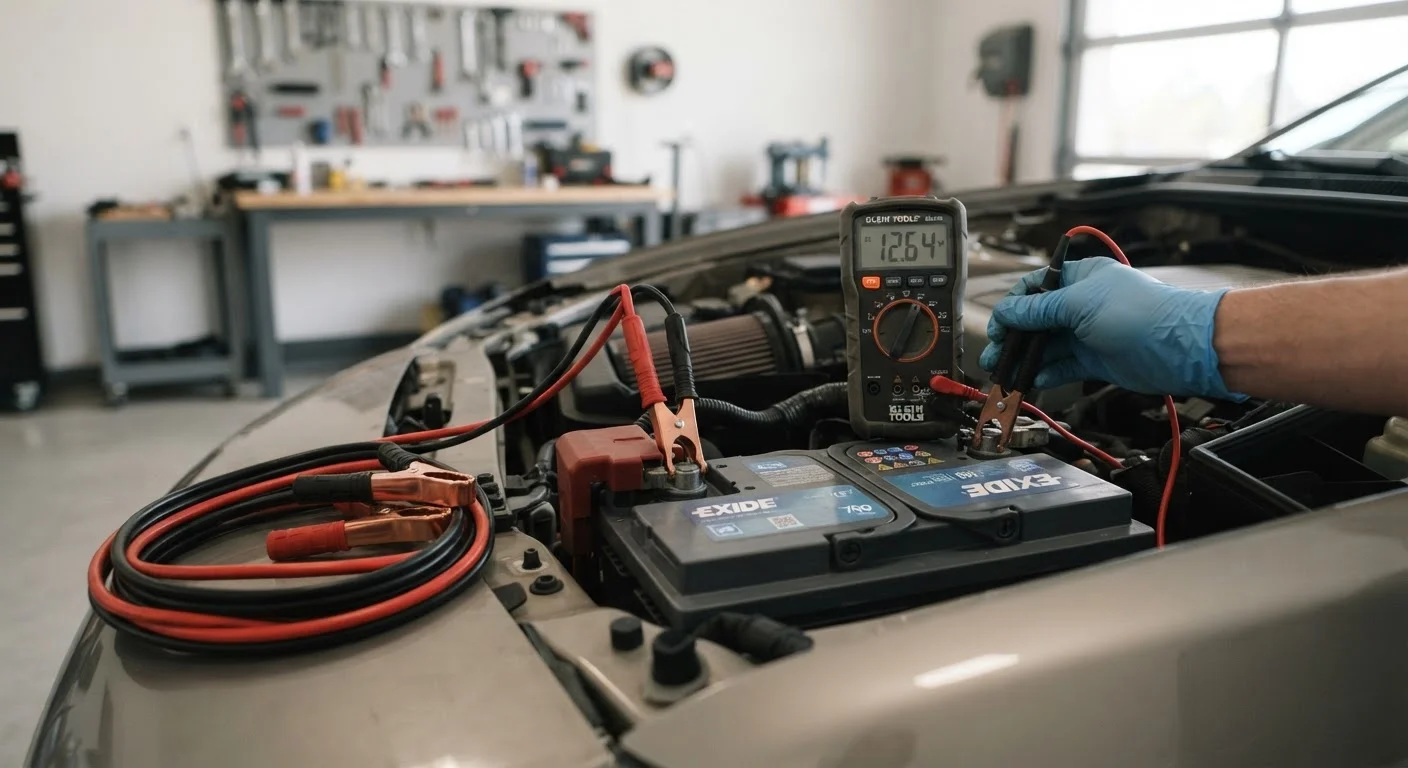
Photo credit: InsightsGrove.com | Discover Joy In Reading
In this article
Understand the factors that shorten a car battery's life, how to test its charge at home, and the signs that replacement is genuinely overdue.
Key Takeaways
- Most car batteries last 3-5 years under normal driving conditions.
- Extreme temperatures, short trips, and parasitic drains are the leading causes of early battery failure.
- A basic multimeter test at home can show whether your battery needs attention.
- Slow cranking, dim headlights, and frequent jump-starts are reliable warning signs of a failing battery.
- Replacing a battery proactively is almost always cheaper than an unexpected breakdown or tow.
What Actually Drains a Car Battery
Understanding battery drain starts with knowing what your battery does beyond starting the engine. It also powers lights, infotainment, clocks, security systems, and any connected devices - even when the car is parked. Several patterns accelerate discharge:
- Short, frequent trips: Every cold start pulls significant current. If your drive is under 10-15 minutes, the alternator may not fully replenish what was used. Repeated partial charges degrade battery plates over time.
- Parasitic electrical loads: A dome light left on, a trunk not fully latched, or a faulty module can silently drain a battery overnight. Modern vehicles with always-on systems (keyless entry, telematics) draw a small baseline current even at rest.
- Extreme temperatures: Heat accelerates the internal chemical reactions that cause plate corrosion and electrolyte loss. Cold reduces the battery's ability to deliver cranking amps. Both extremes shorten lifespan - and winter is when marginal batteries tend to fail. See our seasonal maintenance guide for what to check before each season.
- Long periods of inactivity: A parked battery self-discharges slowly. After several weeks without a drive or a trickle charger, a battery can reach a state of deep discharge that permanently reduces its capacity. Low-mileage car owners face this risk most acutely.
AGM Batteries Behave Differently
Many newer vehicles - particularly those with start-stop technology or heavy electronics - use absorbed glass mat (AGM) batteries rather than traditional flooded lead-acid units. AGM batteries have different voltage characteristics and require an AGM-compatible charger. Replacing an AGM battery with a standard unit, or charging it incorrectly, can damage the battery or the vehicle's charging system. Check your owner's manual before purchasing a replacement or using a charger.
How to Test Battery Health at Home
You don't need a shop visit to get a read on your battery's condition. A basic digital multimeter - widely available for under $20 - is all you need for a voltage check.
- Let the car sit for at least two hours after the last drive. This gives the surface charge (a temporary voltage boost from recent charging) time to dissipate, giving you a more accurate resting voltage.
- Set the multimeter to DC voltage (20V range) and connect the red probe to the positive terminal, black to negative.
- Read the result: 12.6-12.8V = healthy; 12.2-12.5V = partially discharged; below 12.0V = significantly depleted or failing.
For a more complete picture, a load test applies a simulated cranking load and checks whether voltage holds steady. Many auto parts stores offer this service at no charge. A load test catches weak batteries that pass a static voltage test but collapse under real-world starting conditions.
Test Before Winter, Not During It
The best time to test your battery is in early fall, before temperatures drop. Cold weather doesn't kill batteries - it exposes weaknesses that already exist. A battery at 70% capacity in October may not make it through January. A simple load test costs nothing at most auto parts stores and takes under 10 minutes.
Battery health is just one part of a broader maintenance picture. Your car's maintenance schedule explains how battery checks fit alongside other service intervals.
Warning Signs a Replacement Is Due
Batteries rarely fail without warning. Watch for these signals:
3-5 years
Average car battery lifespan
According to AAA, most conventional lead-acid batteries reach the end of their reliable service life within this window under typical US driving conditions.
~1 in 4
Batteries tested found to be weak
AAA's vehicle research center has reported that a significant share of batteries tested at routine service visits show measurable degradation, often without obvious symptoms.
- Slow or labored cranking: If the engine turns over sluggishly - especially on a normal-temperature morning - the battery may no longer be delivering adequate cranking amps.
- Dim headlights or flickering dash lights: Electrical systems pulling from a weak battery often show voltage sag as visible dimming.
- Frequent need for jump-starts: One jump-start can happen to anyone. Two or more in a short period almost always points to a battery that needs replacement.
- Swollen or bloated battery case: A visibly deformed case indicates heat damage or overcharging - both signs the battery is unsafe and should be replaced promptly.
- Age over four years: Even a battery that seems fine past the four-year mark warrants a professional load test. Failure can be sudden once internal degradation reaches a threshold.
Proactive replacement typically costs less than a tow and a rushed same-day service call - a point worth keeping in mind as part of your overall car ownership cost strategy.
How to Extend Battery Life
Several habits meaningfully extend the time between replacements:
- Drive longer routes occasionally: If your daily routine involves only short hops, a longer drive once or twice a week gives the alternator time to fully recharge the battery.
- Use a trickle (maintenance) charger when storing: If the car will sit for more than two weeks, a maintenance charger keeps voltage stable without overcharging.
- Keep terminals clean: Corrosion at the battery posts (the white or bluish crust that sometimes forms) increases resistance and reduces charging efficiency. A cleaning brush and a baking soda solution can remove light buildup - always disconnect the negative terminal first.
- Limit high-drain accessories at idle: Running air conditioning, seat heaters, or audio systems for extended periods with the engine off puts direct strain on the battery without alternator support.
These steps are part of the same maintenance mindset covered in routine upkeep habits that pay for themselves.
This article is for general informational purposes only. For diagnosis of electrical issues or battery replacement on vehicles with complex electronics, consult a qualified mechanic.
Frequently Asked Questions

Author
Car Ownership Editorial Team
Car Ownership Editorial Team is the collective byline for our editorial team and contributor network. Articles published under this byline or an editorial pen name are researched, written, and reviewed according to our editorial standards for clarity, consistency, and independence before publication.
View all articles →