
Tyre Pressure, Oil Changes, and Other Maintenance Tasks That Pay for Themselves
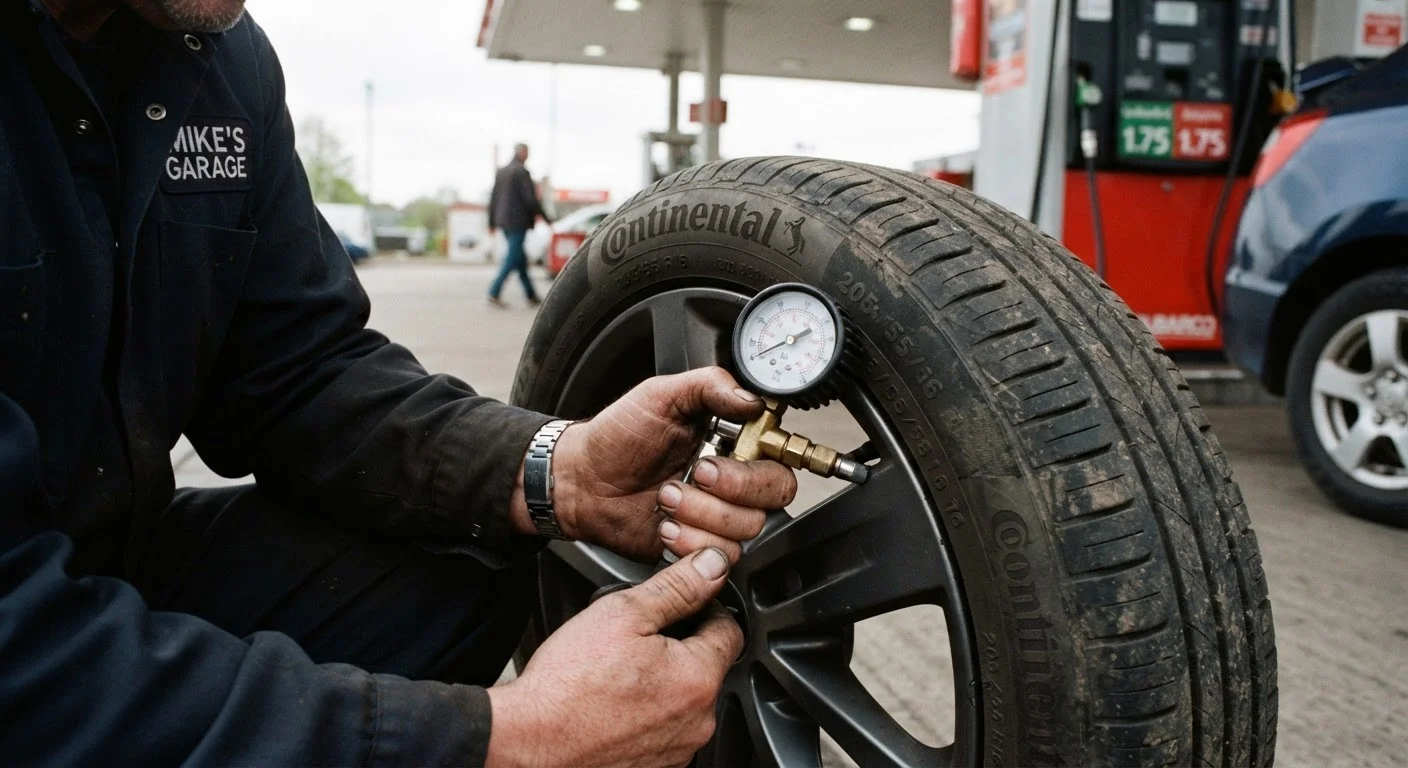
Photo credit: InsightsGrove.com | Discover Joy In Reading
Routine upkeep prevents expensive repairs. Discover which maintenance habits deliver the biggest savings over a car's lifetime.
Key Takeaways
- Correct tyre pressure can improve fuel economy by up to 3% and extend tyre life noticeably.
- Regular oil changes protect the engine from wear that leads to repairs costing thousands of dollars.
- Replacing air filters, checking coolant, and inspecting brakes early prevents far costlier failures.
- Most of these checks take minutes and require little or no tools.
- Skipping routine maintenance typically costs far more in repairs than the upkeep itself.
The Real Cost of Skipping the Small Stuff
Owning a car involves more than fuel and insurance. The maintenance tasks that feel optional - checking tyre pressure, swapping out a dirty air filter, or staying on top of oil changes - are actually where the financial equation of car ownership is won or lost. Neglect them long enough and you're not avoiding costs; you're deferring much larger ones.
For a fuller picture of where your money goes as a car owner, see The Young Driver's Complete Guide to Vehicle Running Costs. This article zeroes in on the specific maintenance habits that deliver a measurable return - either by preventing expensive repairs or by improving fuel efficiency across thousands of miles.
Set reminders - don't rely on memory
Use your phone's calendar or a mileage-tracking app to schedule checks at fixed intervals. A monthly tyre pressure reminder and an oil change alert at your manufacturer's recommended mileage costs nothing to set up and takes the guesswork out of staying current. Consistency is what turns these tasks into money savers.
None of these tasks require advanced mechanical skill. Most can be done at home or verified during a routine service visit. The DIY vs. Workshop guide breaks down which jobs are genuinely safe to handle yourself.
Check tyre pressure monthly
Tyres lose roughly 1 PSI per month under normal conditions - and more rapidly when temperatures drop. Driving on under-inflated tyres increases rolling resistance, which forces the engine to work harder and burn more fuel. The U.S. Department of Energy has noted that under-inflation is one of the most common causes of reduced fuel economy, with properly inflated tyres potentially improving efficiency by around 0.5-3% depending on how far below the recommended level they are.
Beyond fuel, low pressure accelerates uneven tyre wear and raises the risk of a blowout. A quality set of tyres can cost $400-$800 or more to replace - monthly pressure checks costing nothing make that investment last longer. Your vehicle's recommended PSI is on the sticker inside the driver's door jamb, not on the tyre sidewall. Under-inflated tyres are one of several habits silently burning your fuel budget.
Monthly tyre pressure checks cost nothing and can meaningfully extend tyre life and fuel efficiency.
Change engine oil on schedule
Engine oil lubricates moving metal parts, clears heat, and suspends contaminants. As it ages, it breaks down and becomes less effective at all three jobs. Running an engine on degraded oil increases friction, which accelerates wear on components like bearings, camshafts, and piston rings - parts that can cost thousands of dollars to repair or replace.
A conventional oil change typically costs $35-$75 at a shop; synthetic oil changes run $65-$125. Compare either to a partial engine rebuild, which can run $1,500-$4,000 or more, and the math is obvious. Check your owner's manual for the correct interval and oil specification - using the wrong grade can be nearly as damaging as skipping changes entirely. See why using the wrong oil grade is a false economy for more detail.
A timely oil change protecting a $3,000 engine repair is one of the clearest returns in car ownership.
Replace air filters before they restrict airflow
A clogged engine air filter reduces the amount of clean air reaching the combustion chamber, which can reduce engine efficiency and - in older vehicles with carbureted engines - noticeably hurt fuel economy. In modern fuel-injected vehicles the impact on mpg is smaller, but a dirty filter still causes the engine management system to compensate in ways that increase wear over time.
Engine air filters typically cost $15-$30 for the part itself and take under 10 minutes to swap on most vehicles - it's one of the more straightforward DIY tasks. Cabin air filters, which affect air quality inside the car, are similar in cost and effort. Both are usually recommended every 12,000-15,000 miles, though dusty or rural driving environments may require more frequent replacement.
A $20 air filter replaced on schedule prevents inefficiencies that accumulate into real engine wear.
Keep coolant at the right level and condition
Coolant (antifreeze) does two jobs: it prevents the engine from overheating in summer and from freezing in winter. Over time, coolant degrades chemically - its corrosion inhibitors break down, making it acidic. Acidic coolant attacks metal components including the radiator, water pump, and heater core, causing leaks and failures that are expensive to fix.
Overheating is one of the most damaging things that can happen to an engine. A warped cylinder head - a common result of a serious overheat - can cost $1,000-$3,000 to repair. Coolant itself is inexpensive, and a flush is a relatively low-cost service. Most manufacturers recommend a flush every 30,000-50,000 miles or every few years, though this varies. Check your owner's manual. Seasonal checks on coolant are especially important before temperature extremes hit.
Degraded coolant can corrode critical engine components; a flush costs far less than a warped head repair.
Inspect brake pads before they reach metal
Brake pads have a wear indicator - a small metal tab that produces a high-pitched squeal when the pad material gets low. That sound is a warning, not an emergency, but ignoring it long enough turns a straightforward pad replacement into a rotor replacement as well. A standard pad swap might cost $150-$250 per axle; adding rotor replacement can push that to $300-$500 or more per axle.
Most mechanics check brake pad thickness during routine oil changes, so staying on a regular service schedule naturally catches this. If you hear grinding rather than squealing, the pads are likely already gone and metal-on-metal contact is damaging the rotors. Act quickly at that point. For a clearer picture of what brake wear actually looks like over time, brake wear myths that cost drivers money separates fact from fiction on pad lifespan.
Replacing pads at the right time avoids rotor damage that can double or triple the repair bill.
Monitor tyre tread depth and rotate regularly
Tyres wear unevenly depending on their position - front tyres on front-wheel-drive vehicles wear faster because they handle both steering and power delivery. Rotating tyres every 5,000-7,500 miles evens out this wear pattern and extends the overall life of the set. A rotation typically costs $20-$50 and many shops include it with an oil change.
Tread depth matters for safety and legality. The legal minimum in most U.S. states is 2/32 of an inch, but stopping distances begin to increase well before that - 4/32 is a more practical threshold to consider replacement, particularly in wet conditions. You can check tread depth with a quarter: insert it into the tread with Washington's head pointing down; if you can see the top of his head, the tread is at or below 4/32 and worth watching closely. Tyre condition is also directly linked to fuel efficiency.
Regular tyre rotations cost very little and can add thousands of miles to a tyre set's usable life.
Build the Habit Before You Need the Repair
Every item on this list shares one quality: the cost of action is small, and the cost of inaction is large. These aren't manufacturer formalities - they're the result of real engineering tolerances that, when ignored, accelerate wear in ways that compound quietly until a dashboard warning light or a mechanic's estimate brings them into sharp focus.
If you want to understand the trade-offs around oil change timing specifically, The Case For and Against Extended Oil Change Intervals covers what modern synthetic oils actually change - and what they don't. And for a broader schedule of what to check and when, Your Car's Maintenance Schedule, Explained is a practical reference worth bookmarking.
Maintenance intervals vary by vehicle
The intervals mentioned in this article are general guidelines drawn from common manufacturer recommendations. Your specific vehicle may require more or less frequent service depending on its age, mileage, engine type, and how it's driven. Always treat your owner's manual as the authoritative source for service intervals and fluid specifications.
This article provides general vehicle maintenance information and education. Costs and intervals vary by vehicle make, model, and driving conditions. Always consult your owner's manual and a qualified mechanic for advice specific to your car.

Author
Car Ownership Editorial Team
Car Ownership Editorial Team is the collective byline for our editorial team and contributor network. Articles published under this byline or an editorial pen name are researched, written, and reviewed according to our editorial standards for clarity, consistency, and independence before publication.
View all articles →