
Seasonal Car Maintenance: Preparing Your Vehicle for Temperature Extremes
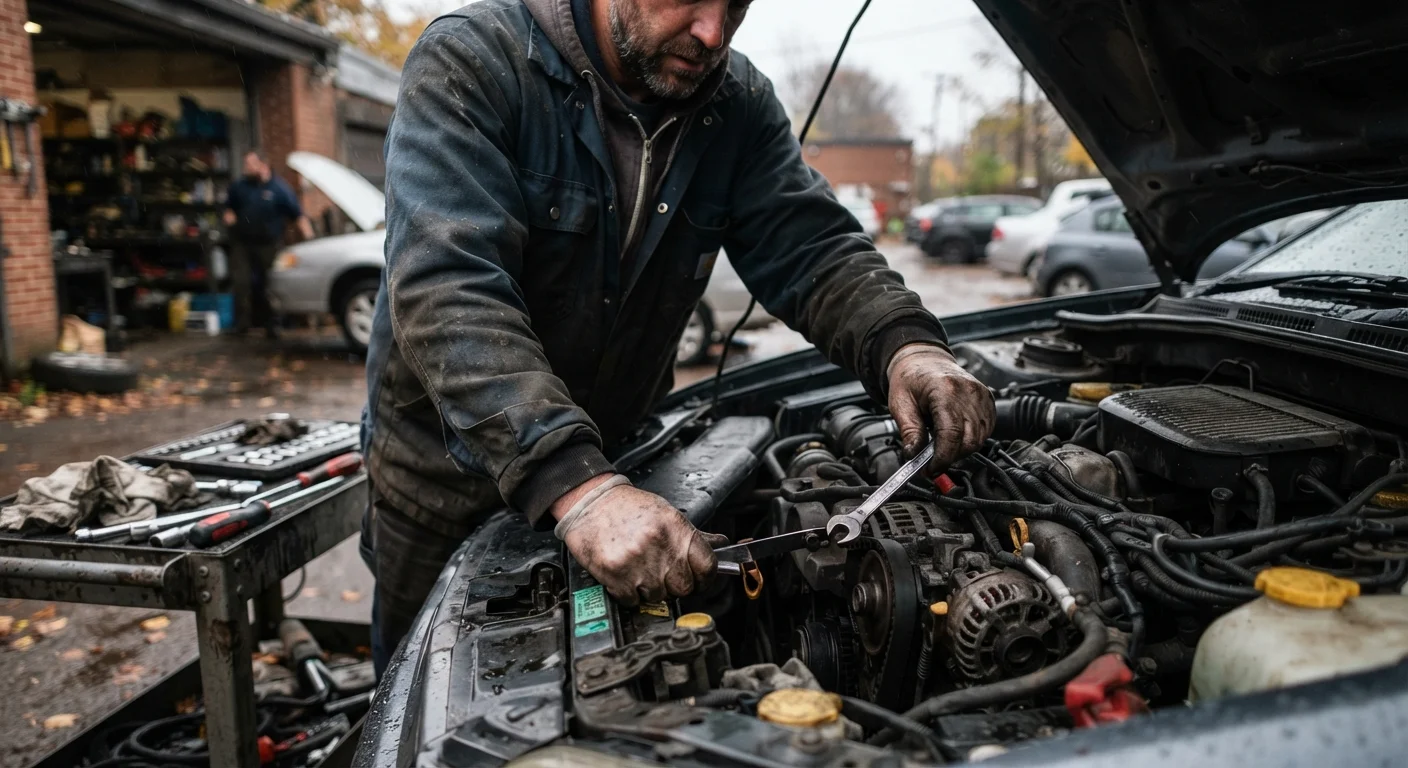
Photo credit: InsightsGrove.com | Discover Joy In Reading
In this article
How hot summers and cold winters affect your battery, tyres, coolant, and wipers—and what to check before each season to avoid breakdowns.
Key Takeaways
- Extreme heat and cold stress your battery, tyres, coolant, and wipers differently - each needs a season-specific check.
- Most seasonal checks can be done at home with basic tools, saving you a diagnostic fee at the shop.
- Catching small issues before a season starts is almost always cheaper than fixing a breakdown mid-season.
- Tyre pressure changes roughly 1 PSI for every 10°F shift in temperature - recheck after any major weather change.
- A battery older than three years deserves a load test before both summer and winter.
Why Seasonal Prep Actually Saves You Money
Temperature swings - whether a scorching July or a hard freeze in January - put your vehicle's core systems under stress they don't face in mild weather. The damage doesn't always show up immediately, which is why so many breakdowns feel like they come out of nowhere. They don't. They're the result of months of accumulated strain on components that weren't checked at the right time.
For budget-conscious owners, the math is straightforward: a seasonal self-inspection costs you an afternoon. Ignoring it can mean a tow, a rental car, and a repair bill that runs into the hundreds. The checklist below splits the work into two focused passes - one before summer heat peaks, one before winter cold sets in. Neither requires specialist knowledge, just a willingness to look closely at what's already there.
For context on which maintenance habits deliver the broadest return, see our guide on maintenance tasks that pay for themselves. And if you're not sure what your service schedule actually requires, reading your car service schedule breaks it down clearly.
Never Open a Hot Coolant Reservoir
Coolant checks must be done when the engine is completely cold - ideally before the first start of the day. Opening a pressurised radiator cap or coolant reservoir while the engine is hot can cause serious burns. If you need to check coolant after driving, wait at least one hour for the engine to cool fully.
What You'll Need
You don't need a full mechanic's toolbox. The items below cover the vast majority of seasonal checks safely and accurately.
Tyre pressure gauge
Checks tyre inflation accurately - digital gauges are more reliable than the pencil-style ones.
Battery load tester or multimeter
Tests battery voltage and whether it can hold a charge under load - critical before both extreme seasons.
Coolant/antifreeze tester strip or float tester
Measures the freeze and boil-over protection level of your coolant mix without draining the system.
Tread depth gauge
Gives a precise reading of tyre tread remaining - more accurate than the coin method for borderline tyres.
Flashlight or work light
Lets you inspect belts, hoses, and undercarriage areas that are otherwise hard to see.
Microfibre cloth and glass cleaner
Cleans wiper blades and windscreen for a clear visibility check before testing wipers.
The Seasonal Maintenance Checklist
Work through each group in order. Flag anything that fails a check - don't assume it will hold through another season.
Battery
Tyres
Coolant and Engine Temperature
Wipers and Visibility
Belts, Hoses, and Fluids
Emergency Readiness
When to Stop DIY and See a Mechanic
This checklist covers inspection and simple top-ups. If you find a cracked coolant hose, a battery that fails a load test, brake fluid that's very dark or low, or any warning light related to the ABS, airbag, or engine management system, take the vehicle to a qualified mechanic rather than deferring the issue. Some repairs involve safety systems - an incorrect fix or delay can create more risk than the original problem.
For a deeper look at one of the most commonly neglected seasonal items, our article on car battery health explains exactly what drains a battery, how to test it at home, and when replacement is genuinely overdue. Tyre pressure deserves the same attention - tyre pressure, tread depth, and rotation explains how these three factors work together across seasons. If your car sits more than it moves, the stakes are even higher - see keeping a low-mileage car in good shape for targeted guidance.

Author
Car Ownership Editorial Team
Car Ownership Editorial Team is the collective byline for our editorial team and contributor network. Articles published under this byline or an editorial pen name are researched, written, and reviewed according to our editorial standards for clarity, consistency, and independence before publication.
View all articles →