
Keeping a Car in Good Shape When You Drive Very Little
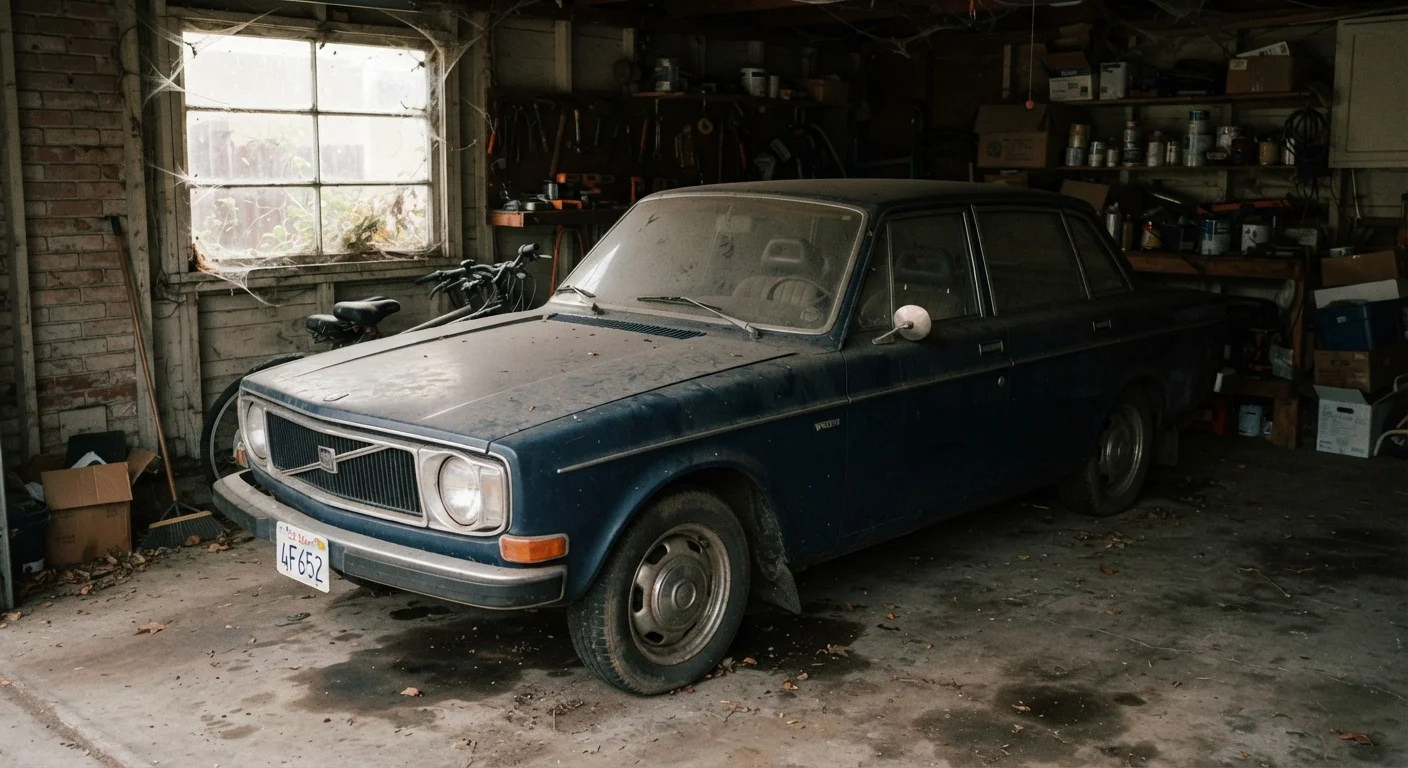
Photo credit: InsightsGrove.com | Discover Joy In Reading
In this article
Low-mileage cars still degrade. Discover the maintenance tasks—fluid changes, battery checks, tyre care—that matter most when your car sits more than it moves.
Key Takeaways
- Low mileage doesn't mean low maintenance - time-based degradation is just as real as wear from driving.
- Batteries are the most common casualty of infrequent driving and can fail within weeks of sitting idle.
- Engine oil, coolant, and brake fluid all degrade chemically over time, not just through use.
- Flat-spotting and dry rot make tyres a serious concern for cars parked for extended periods.
- Short, occasional drives can help circulate fluids and keep mechanical systems from seizing.
Why Sitting Still Is Harder on a Car Than You'd Think
Most maintenance advice assumes you're racking up miles. But if your car mainly sits in a driveway or garage - maybe you work from home, rely on transit, or only drive on weekends - the usual odometer-based intervals can mislead you into thinking everything is fine. It isn't always.
Mechanical systems are designed to stay in motion. Oil circulates, seals stay lubricated, and batteries recharge through normal use. When a car sits, chemistry and physics work against it quietly. Understanding which systems degrade on a time basis - not just a mileage basis - is the first step to protecting your investment. See our full breakdown of maintenance intervals for context on how manufacturers structure these schedules.
Best Practices for Low-Mileage Car Care
The following practices are grounded in how vehicle components actually age - not how far they've traveled.
Follow time-based oil change intervals, not just mileage ones.
Engine oil breaks down chemically over time due to heat cycles, moisture, and oxidation - regardless of how far the car has traveled. Most manufacturers recommend an oil change at least once a year even if the mileage threshold hasn't been reached. Old oil loses its viscosity and protective properties, accelerating wear on engine internals.
Use a battery maintainer or trickle charger when the car sits for more than two weeks.
A car battery self-discharges when the vehicle isn't driven, and modern vehicles draw a small parasitic load even when off - for alarms, clocks, and onboard computers. After two to four weeks of inactivity, the battery can drop below the threshold needed to start the engine. Repeated deep discharges shorten a battery's overall lifespan significantly.
Check tyre pressure monthly and inspect sidewalls for cracking.
Tyres lose roughly 1-2 PSI per month through natural permeation, independent of driving. An underinflated tyre that sits in one position for weeks can develop flat spots - rigid deformations that cause vibration when driving resumes. Additionally, ozone and UV exposure degrade rubber over time, causing sidewall cracking even on low-mileage tyres.
Drive at highway speeds for at least 20-30 minutes monthly.
Short trips don't allow the engine to reach full operating temperature, which means moisture can accumulate in the oil and exhaust system. A sustained drive circulates all fluids, recharges the battery properly, cycles the brakes and transmission, and keeps seals lubricated. This single habit addresses multiple degradation pathways at once.
Replace brake fluid on a time-based schedule, typically every two years.
Brake fluid is hygroscopic - it absorbs moisture from the air over time, which lowers its boiling point and can lead to corrosion inside brake lines and calipers. This happens regardless of mileage. Low-mileage vehicles are not exempt and are sometimes overlooked precisely because owners assume everything is fine.
For a broader look at which upkeep tasks deliver the most financial return, see maintenance habits that pay for themselves.
Quick Actions You Can Take Right Now
You don't need a full service appointment to start protecting a seldom-driven car. These immediate actions address the highest-risk failure points.
When to Involve a Mechanic
Many low-mileage maintenance tasks - checking fluids, inflating tyres, connecting a battery maintainer - are genuinely DIY-friendly. However, if your car has been fully stationary for several months, issues like seized brake calipers, degraded fuel, or compromised belts may not be visible on a casual inspection. A pre-drive check from a qualified mechanic is a reasonable precaution before any extended trip.
If your car has been sitting for several months or longer, consider having a qualified mechanic inspect the brakes, suspension bushings, and fuel system before relying on the vehicle for anything beyond a short local trip.
The Bigger Picture: Time-Based vs. Mileage-Based Maintenance
Your owner's manual typically lists service intervals as "every X miles or X months, whichever comes first." Low-mileage drivers often hit the time threshold long before the mileage one - and ignoring the time side is where problems quietly compound.
1-2 PSI
Monthly tyre pressure loss through normal permeation
Industry data consistently shows tyres lose pressure even without a puncture, making monthly checks essential for parked vehicles.
2-4 weeks
Time before battery can drop below safe start threshold
Battery self-discharge rates vary by age and temperature, but most automotive engineers flag inactivity beyond two weeks as a meaningful risk period.
Seasonal conditions add another layer of risk for cars that sit. Cold temperatures accelerate battery discharge, while summer heat can speed up rubber degradation in belts and hoses. Our article on seasonal car maintenance covers what to inspect before each season change.
For deeper dives into specific systems covered in these practices, explore car battery health, checking your own fluid levels, and tyre pressure and tread depth. These are tasks most owners can handle at home with minimal tools.
This article provides general vehicle maintenance information for educational purposes. Always consult your owner's manual and a qualified mechanic for guidance specific to your vehicle.

Author
Car Ownership Editorial Team
Car Ownership Editorial Team is the collective byline for our editorial team and contributor network. Articles published under this byline or an editorial pen name are researched, written, and reviewed according to our editorial standards for clarity, consistency, and independence before publication.
View all articles →