
Container Gardening for Renters: Growing Food Without a Backyard
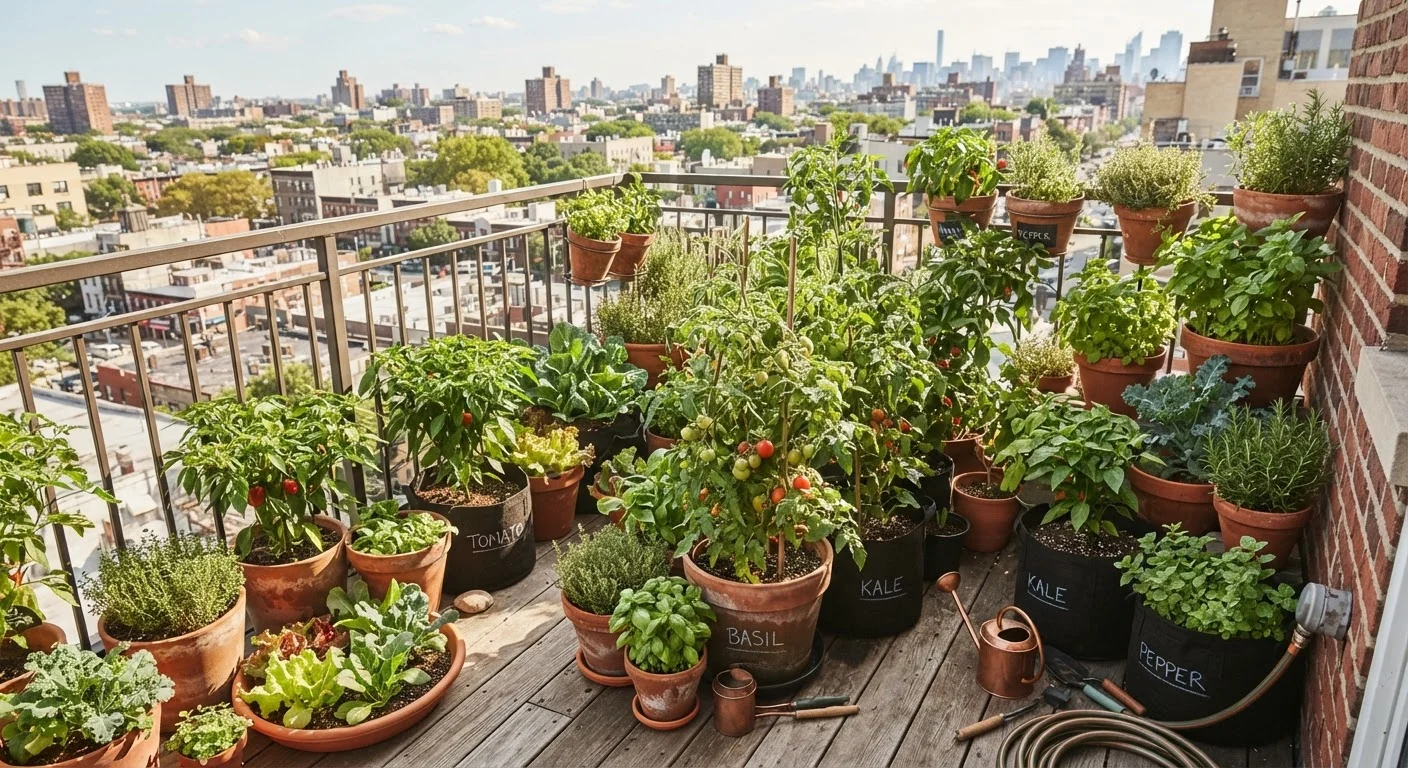
Photo credit: InsightsGrove.com | Discover Joy In Reading
In this article
Learn how to grow vegetables, herbs, and fruit in containers on balconies, patios, or windowsills — no garden bed required.
Key Takeaways
- Containers let renters grow food without permanent changes to a property.
- Choosing the correct pot size for each crop is the single biggest factor in success.
- Leafy greens, herbs, and cherry tomatoes are the most rewarding crops for small spaces.
- Potting mix - not garden soil - is essential for healthy container plants.
- Light availability should guide what you grow, not what you wish you could grow.
- Starting from seed and repurposing household containers keeps startup costs minimal.
Why Container Gardening Works for Renters
Not owning your outdoor space is a genuine constraint, but it's a manageable one. Container gardening sidesteps the issues that make traditional gardening impossible for renters: no digging into someone else's ground, no permanent structures, and easy portability when you move.
Pots, grow bags, and window boxes can sit on a balcony, a patio, a fire escape (where local codes allow), or a deep windowsill. They go with you when the lease ends. And because you control the soil, drainage, and placement, you can often grow more reliably in containers than in a neglected or poorly drained shared garden.
Before you invest in anything, review The Balcony Garden Checklist - weight limits, drainage rules, and landlord approval are worth confirming first. Container gardening also fits naturally into small-space living strategies, where every square foot has to earn its place.
Choosing the Right Containers
Container size directly determines what a plant can achieve. Too small, and roots become cramped, water runs out fast, and yields drop sharply. General guidelines:
- Herbs and green onions: 6-8 inch pots or a shared window box
- Lettuce and spinach: At least 6 inches deep; width determines how many plants fit
- Tomatoes (dwarf or cherry varieties): 5-gallon containers at minimum; 10-gallon is more forgiving
- Peppers and eggplant: 3-5 gallon per plant
Material matters less than drainage. Any container - plastic, terracotta, fabric grow bag, or repurposed bucket - works if it has drainage holes. Fabric grow bags are a practical choice for renters: they're lightweight, fold flat for storage, and are often less expensive than rigid pots of equivalent size.
Drill Drainage Holes If Needed
If you're repurposing a container that lacks drainage holes, add them yourself using a drill with a standard bit. For plastic, a ¼-inch hole works well; space several holes evenly across the base. Without drainage, roots sit in waterlogged soil and rot quickly - no plant tolerates this for long.
What to Grow (and What to Skip)
Pick crops matched to your actual space and light, not an aspirational wishlist. High-reward crops for containers include:
- Cherry tomatoes: Prolific in a sunny spot with consistent watering
- Lettuce and salad greens: Fast-growing, tolerant of partial shade, and cuttable multiple times
- Herbs (basil, parsley, chives, mint): High kitchen value, compact footprint - see our in-depth guide to growing herbs on a kitchen windowsill
- Radishes: Ready in as little as 25 days; great for beginners who want quick results
- Green onions (scallions): Can even be regrown from store-bought roots in a glass of water
Skip large vining crops like full-size squash, cucumbers (unless a compact bush variety), and sweet corn - they need root space or height that containers can't realistically provide. For a broader look at which food crops deliver the most return for the effort, this crop guide is worth a read.
Soil, Watering, and Feeding Basics
The two fastest ways to kill a container garden are wrong soil and inconsistent watering.
Soil: Always use a bagged potting mix - never garden soil or topsoil, which compacts badly in pots and cuts off oxygen to roots. Look for mixes that include perlite or vermiculite for drainage. Adding a small amount of compost at the start gives plants a nutrient head start.
Watering: Containers lose moisture far faster than ground soil, especially terracotta pots or during hot weather. Check the top inch of soil daily. When it feels dry, water slowly until liquid drains freely from the bottom - this ensures the full root zone is reached, not just the surface.
Feeding: Nutrients wash out with each watering. After the first four to six weeks, most potting mixes need supplementing. A diluted liquid fertilizer every one to two weeks keeps leafy crops and fruiting plants producing well. If you want a near-zero-cost option, composting kitchen scraps in a compact worm bin produces nutrient-rich liquid feed for free.
Don't Overwater in Cool Weather
Overwatering is the most common beginner mistake, especially in fall or when plants are indoors. Cool temperatures slow evaporation, so soil stays wet far longer than in summer. Always check the soil before watering rather than following a fixed schedule - wet soil when roots already have enough moisture encourages root rot and fungal issues.
Making the Most of Limited Light
Sunlight is usually the hardest constraint for renters. Before choosing what to grow, track your balcony or windowsill through a full day to see how many hours of direct sun it actually receives - most people overestimate this.
- 6+ hours direct sun: Tomatoes, peppers, basil, and most fruiting crops
- 3-6 hours (partial shade): Lettuce, spinach, parsley, kale, and Swiss chard
- Under 3 hours: Mint and chives are about the limit; most food crops will not produce usefully
A north-facing space isn't a dead end - this guide to shady outdoor spaces covers which plants adapt well and how to maximize what light you do have. Reflective surfaces (a pale wall, a mirror, even aluminum foil behind a window box) can meaningfully increase light reaching plants indoors.
Potting mix
A specially formulated growing medium for containers, designed to drain well and stay loose enough for roots to breathe. It is distinct from garden soil or topsoil.
Perlite
Tiny white volcanic glass particles added to potting mixes to improve drainage and prevent soil from compacting around roots.
Grow bag
A flexible fabric container used for growing plants. The breathable walls allow air pruning of roots and generally weigh less than rigid pots of the same volume.
Partial shade
A light condition where a spot receives three to six hours of direct sunlight per day. Some food crops grow adequately in partial shade, though most fruiting plants prefer more.
Liquid fertilizer
A concentrated plant nutrient solution diluted in water and applied during watering. It delivers nutrients quickly and is well suited to containers where nutrients wash out regularly.
Keeping Costs Low From the Start
Container gardening has real upfront costs, but they're controllable. A few strategies that consistently reduce spending:
- Start from seed: Seeds cost a fraction of transplants and give you far more plants per dollar. Lettuce, radishes, herbs, and spinach germinate reliably on a warm windowsill.
- Repurpose containers: Food-grade buckets, large yogurt tubs, colanders, and wooden crates (lined with burlap) all work as planters. Add drainage holes and you're set.
- Source plants for free: Seed libraries, community plant swaps, and propagating from cuttings are all viable - this overview of free and low-cost sourcing covers the options in detail.
- Buy potting mix in volume: A larger bag typically costs less per liter than smaller bags, and unused mix stores well sealed between seasons.
The goal is a self-sustaining setup where you're mostly buying seeds each year - containers, tools, and soil become a one-time investment that carries forward season after season.
Free and Low-Cost Ways to Get Plants, Seeds, and Cuttings
A practical breakdown of seed libraries, community swaps, and propagation techniques that let you build a productive container garden without spending much at all.
Composting in a Small Space
Covers compact composting methods - including worm bins - that fit in apartments and turn kitchen scraps into free fertilizer for container plants.
Vegetables That Give You the Most Food for the Least Effort
Identifies the highest-yield, lowest-maintenance crops for beginner gardeners, helping you prioritize what goes in your containers for the best return.
Frequently Asked Questions

Author
Home & Living Editorial Team
Home & Living Editorial Team is the collective byline for our editorial team and contributor network. Articles published under this byline or an editorial pen name are researched, written, and reviewed according to our editorial standards for clarity, consistency, and independence before publication.
View all articles →