
The Balcony Garden Checklist: What to Sort Out Before You Start Planting
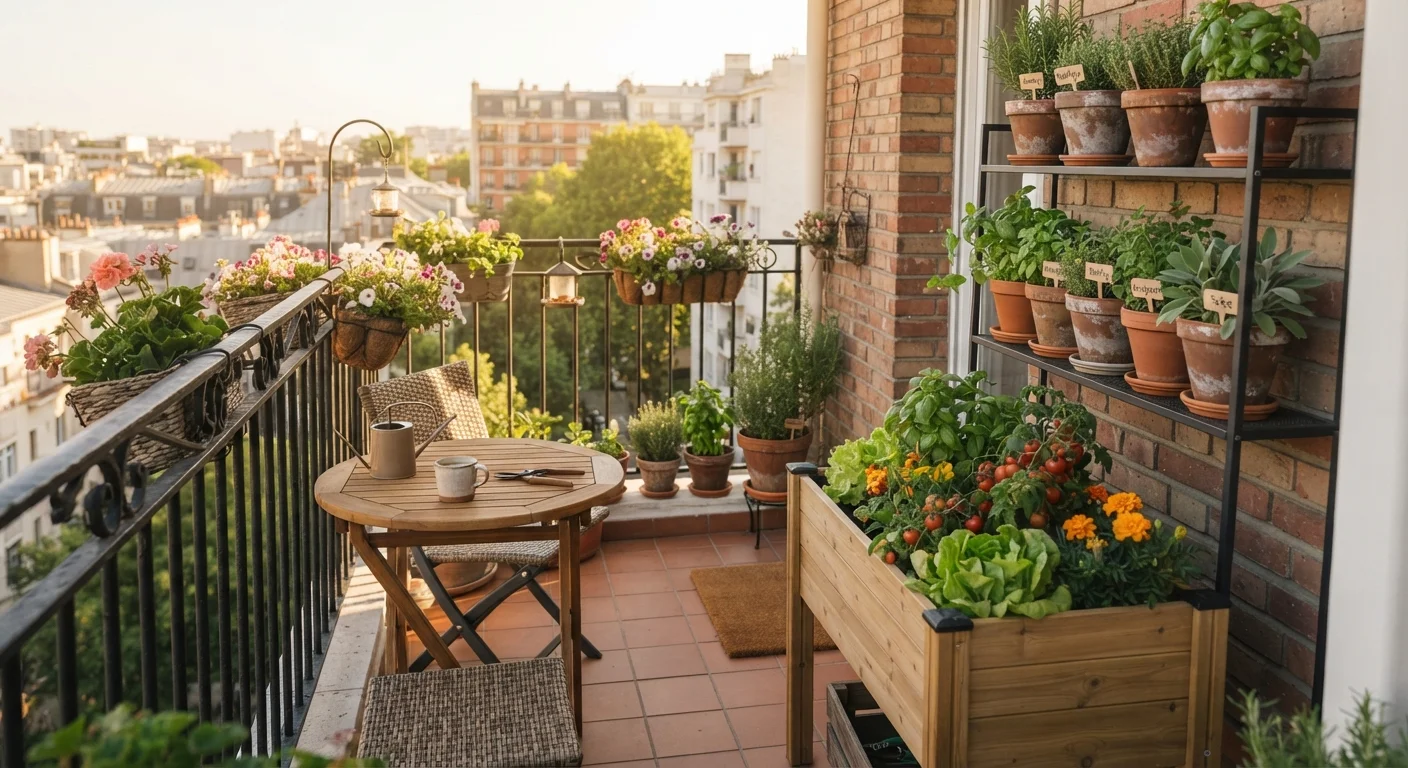
Photo credit: InsightsGrove.com | Discover Joy In Reading
In this article
Weight limits, sun exposure, drainage, and landlord rules all matter. Work through this checklist before spending a single pound on plants.
Key Takeaways
- Check your balcony's load capacity before buying heavy pots or soil - most buildings have strict structural limits.
- Landlord or HOA rules can restrict planters, trellises, or anything fixed to railings; get written permission first.
- Sun direction and wind exposure determine which plants will actually survive in your space.
- Drainage is non-negotiable - standing water on a balcony can cause structural damage and neighbor disputes.
- Planning container choices and layout in advance prevents costly impulse buys and wasted space.
Why Preparation Matters More Than Plant Choice
Most balcony garden failures have nothing to do with the plants themselves. They happen because someone skipped the groundwork: bought heavy ceramic pots without checking load limits, installed a trellis without landlord approval, or planted sun-lovers on a north-facing balcony. The result is wasted money and a dead garden by August.
This checklist exists to prevent that. Work through it before you spend anything - it takes less than an hour and applies whether your balcony is a generous wraparound or a narrow ledge that fits two chairs. If you're weighing the full financial picture of getting started, see our breakdown of real beginner gardening costs so you can budget realistically from day one.
Measuring tape
Measure balcony dimensions, railing height, and available floor space accurately before planning container layout.
Compass app or physical compass
Determine your balcony's facing direction so you can predict sun exposure throughout the day and across seasons.
Notepad or notes app
Record sun hours, wind observations, weight limits, and landlord rules so you have a reference document when buying plants.
Kitchen or postal scale
Weigh sample pots filled with damp potting mix to estimate your total setup weight against structural limits.
Camera or smartphone
Photograph the balcony at different times of day to document shade patterns and any drainage problem areas.
Work Through the Checklist
The groups below follow a logical order: structural and legal checks come first, then environmental assessment, then practical setup. Don't skip the first two sections - they're the ones that trip people up most often.
Structural & Legal Checks
Environmental Assessment
Drainage & Water Management
Layout & Container Planning
Don't Guess on Weight Limits
Structural load limits are not conservative suggestions - exceeding them creates a genuine safety risk to you, your neighbors below, and your building. If you cannot find the load limit in your lease or building documents, contact your building manager or a structural engineer before placing any heavy containers. Distributing weight toward the wall-side of the balcony (rather than the outer edge) is also standard good practice, regardless of load limit.
If your balcony faces north or is heavily shaded by an overhang, don't give up - a shady outdoor space still supports a productive garden with the right plant choices. And if outdoor space is too limited, growing herbs indoors on a kitchen windowsill is a practical fallback worth considering.
After the Checklist: Next Steps
Once you've completed this audit, you'll have a clear picture of what your space can realistically support - and you'll avoid the most common and costly mistakes. Document what you find: jot down your sun hours, load limit, and any landlord restrictions in a notes app or on paper. This becomes your balcony's planning document.
Don't let concerns about space hold you back. Many common beliefs about needing a large or perfectly sunny space simply don't hold up. Small-space gardening, done thoughtfully, can be genuinely productive. For broader ideas on making compact living spaces work harder, the Small Space Living hub has practical room-by-room guidance that pairs well with outdoor planning.
Get Landlord Approval in Writing
Verbal permission from a landlord means very little if a dispute arises later. Before installing any bracket, trellis, railing planter, or fixed structure, send a written request by email and keep a copy of the response. This protects your deposit and gives you a clear record of what was agreed. Even in tenant-friendly states, altering a rental property without documented consent can have financial consequences.

Author
Home & Living Editorial Team
Home & Living Editorial Team is the collective byline for our editorial team and contributor network. Articles published under this byline or an editorial pen name are researched, written, and reviewed according to our editorial standards for clarity, consistency, and independence before publication.
View all articles →