
Gardening Myths That Keep Beginners From Getting Started
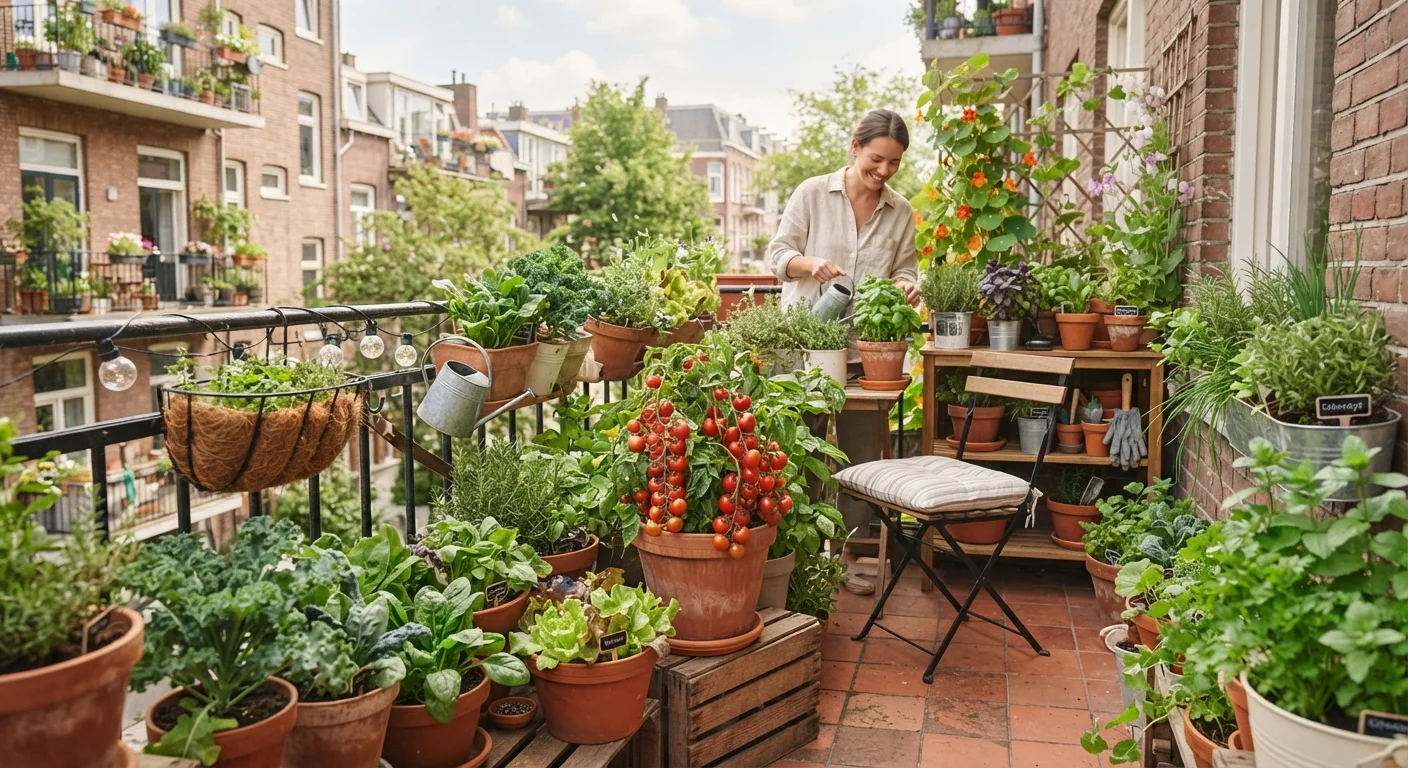
Photo credit: InsightsGrove.com | Discover Joy In Reading
In this article
From needing a big space to requiring expensive tools, many common beliefs about gardening simply don't hold up to scrutiny.
Key Takeaways
- You don't need a yard, expensive tools, or a green thumb to start gardening successfully.
- Many beginner-friendly plants thrive with minimal soil prep and basic watering habits.
- Container gardening makes growing food or flowers viable even in small apartments.
- Seed starting from packets costs far less than buying nursery transplants every season.
- Gardening mistakes are normal - most plants recover with simple, timely adjustments.
Why Gardening Myths Stick - and Who They Hurt
Gardening misinformation tends to cluster around cost, skill, and space - the three things most likely to stop a budget-conscious beginner before they ever buy a seed packet. These myths don't come from nowhere: some are outdated advice that made sense before container gardening was mainstream, some are marketing dressed up as guidance, and some are just repeated assumptions that nobody has challenged.
The result is a group of people who genuinely want to grow their own food or build a greener living space, but who talk themselves out of trying. This article addresses the most persistent myths directly, with straightforward corrections.
Myth
You need a yard or significant outdoor space to grow anything meaningful.
Fact
Containers on a balcony, windowsill, or even an indoor shelf can produce herbs, salad greens, and compact vegetables.
Container gardening has removed the space barrier entirely for millions of urban growers. A single five-gallon bucket can support a tomato plant. A windowsill tray can yield enough herbs to cut your grocery spending on fresh basil, mint, and parsley. If you have a balcony, see the balcony garden checklist before spending anything - weight limits and drainage matter more than square footage.
Myth
Gardening requires a large upfront investment in tools and supplies.
Fact
A hand trowel, a watering can, and a bag of quality potting mix are enough to start most beginner gardens.
Specialty gadgets and branded soil amendments are aggressively marketed to new gardeners, but they aren't the foundation of a healthy garden. For an honest look at where starter budgets actually go - and which costs you can skip - the real costs of starting a garden breaks it down with no sales spin. Borrowing tools from neighbors or buying secondhand is a legitimate strategy, not a compromise.
Myth
You need to have a natural 'green thumb' - some people just can't grow plants.
Fact
Gardening is a learned skill, and most beginner failures trace back to correctable causes like watering frequency or light placement.
The idea of a green thumb implies innate talent, but experienced gardeners will tell you they killed plenty of plants before developing intuition. The difference is usually information, not ability. Starting with forgiving plants - like pothos indoors, or radishes and lettuce outdoors - builds real confidence on a short feedback loop. Mistakes reveal what to adjust, not reasons to quit.
Myth
Store-bought seedlings are worth the extra cost because seeds are too hard to germinate.
Fact
Most vegetable and herb seeds germinate reliably with basic moisture, warmth, and light - and cost a fraction of transplants.
Nursery transplants make sense for slow-starting crops like peppers and eggplant if your growing season is short. But fast-germinating seeds - including beans, squash, cucumbers, basil, and all salad greens - do just as well or better when sown directly. Packet seeds also give you far more genetic variety than what nurseries stock, which matters for flavor and disease resistance over multiple seasons.
Myth
Watering every day is the responsible, safe approach for new gardeners.
Fact
Most plants prefer consistent moisture cycles over daily watering, and overwatering is a more common cause of plant death than underwatering.
Daily watering regardless of conditions is one of the most reliable ways to rot roots and invite fungal problems. Smart watering - timed to morning hours, adjusted by season, and supported by mulch - keeps plants healthier and cuts water use significantly. The guide on watering without a climbing water bill explains exactly how to calibrate this without expensive irrigation systems.
Myth
In-ground gardening always delivers better results than raised beds or containers.
Fact
Soil quality matters more than garden type, and containers and raised beds often allow far more control over growing conditions than native ground soil.
Native soil varies enormously - compacted clay, sandy loam, and nutrient-depleted suburban fill are all common in US backyards. Containers and raised beds let you start with known, workable growing media regardless of what's underneath. For a side-by-side look at tradeoffs and costs, raised beds vs. in-ground planting covers the practical comparison in full.
What Actually Matters When You're Starting Out
Stripping away the myths leaves a much simpler picture. Light, water, and appropriate soil are the core variables. Everything else - raised beds vs. containers, seeds vs. transplants, fancy amendments vs. basic potting mix - is a matter of personal preference and budget, not a prerequisite for success.
Overwatering Is the #1 Beginner Mistake
More plants die from overwatering than from neglect. Before watering, push a finger an inch into the soil - if it feels damp, wait another day. Container plants are especially vulnerable because excess water can't drain away from roots the way it does in open ground.
If you're working through the fundamentals of your first full growing season, the full season vegetable patch walkthrough walks through each stage with practical, budget-aware guidance. And if you're limited to an indoor space, growing herbs on a kitchen windowsill focuses specifically on what actually works - not what looks good in a photo.
Don't Let Misinformation Delay Your First Season
The most common reason beginners never start is believing the bar is higher than it actually is. Most gardening myths inflate the cost, space, and skill required. Getting one plant into one pot this season matters more than having perfect conditions.
The same skepticism that helps you avoid shopping myths that cost you money applies here: question the premise before assuming you're missing something essential.
35%
US households that grow food at home
According to the National Gardening Association, roughly 35% of American households participate in food gardening, including container and indoor growing.
$70
Estimated average value of food from a small vegetable plot
The National Gardening Association has estimated that a well-managed 600-square-foot vegetable garden can yield several hundred dollars in produce annually; smaller plots yield proportionally less.
6 inches
Minimum container depth for most salad crops
University cooperative extension programs generally recommend at least six inches of growing medium depth for shallow-rooted crops like lettuce, spinach, and radishes.

Author
Home & Living Editorial Team
Home & Living Editorial Team is the collective byline for our editorial team and contributor network. Articles published under this byline or an editorial pen name are researched, written, and reviewed according to our editorial standards for clarity, consistency, and independence before publication.
View all articles →