
Rental Repairs You Can Legally Do Yourself (And Those You Shouldn't)
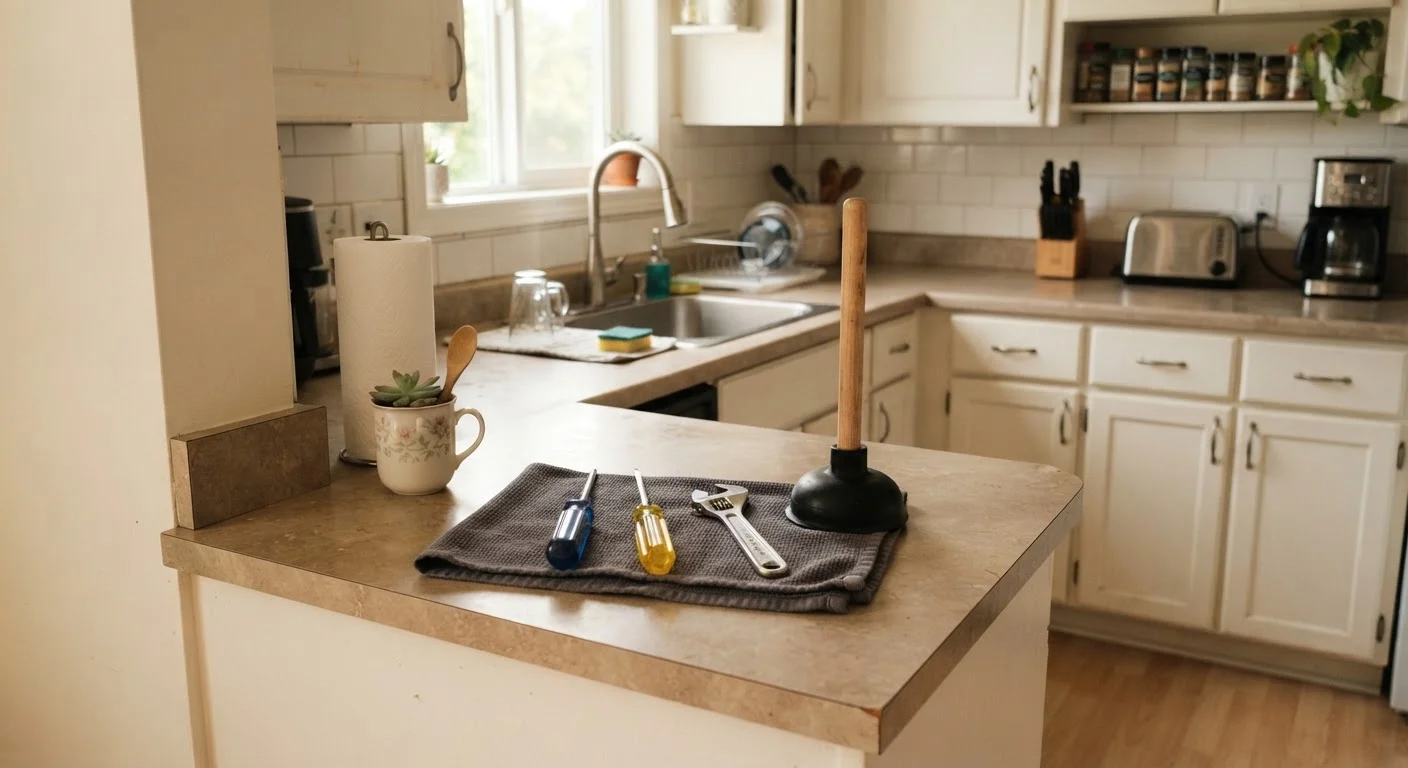
Photo credit: InsightsGrove.com | Discover Joy In Reading
In this article
Not every repair is your landlord's job — or yours. Learn which fixes renters can handle and which require professional involvement.
Key Takeaways
- Minor cosmetic fixes like replacing light bulbs or unclogging drains are generally safe for renters to handle.
- Electrical, gas, and structural work almost always requires a licensed professional - and often a permit.
- Always document repair requests in writing and keep copies in case of deposit disputes.
- Unauthorized repairs can void your lease protections or make you liable for resulting damage.
- When in doubt, notify your landlord first and get their written approval before touching anything.
Why the Repair Line Matters More Than You Think
Most renters operate somewhere between two mistakes: doing nothing and hoping the landlord fixes everything quickly, or DIY-ing too aggressively and unknowingly violating lease terms. Both approaches can cost real money.
Understanding where your responsibility ends and your landlord's begins isn't just about being a good tenant - it's about protecting your deposit, your legal standing, and occasionally your physical safety. The complete guide to budget home repair is a useful starting point for building the tool knowledge and judgment to scope any job before you touch it.
35%
Renters who lose part of their deposit
According to surveys conducted by tenant advocacy groups, roughly one in three renters loses some or all of their security deposit, with unauthorized alterations and unreported damage among the leading causes.
49 states
States with implied habitability warranty
All U.S. states except one legally require landlords to maintain rental properties in habitable condition, though the specific standards and enforcement mechanisms vary by jurisdiction.
$3-$15
Cost of a typical faucet washer repair
Basic plumbing fixture repairs using off-the-shelf parts are among the most cost-effective DIY tasks available to renters who have landlord approval and basic tool knowledge.
Repairs Renters Can Generally Handle
These tasks are low-risk, don't require permits, and are unlikely to void lease protections if done competently. Still, document what you do and notify your landlord when relevant.
- Light bulbs and batteries: Replacing bulbs - including in fixtures - and smoke detector batteries is almost always the tenant's job. No landlord notification required.
- Minor drain clogs: Using a plunger or a hand-cranked drain snake on a slow sink or shower drain is considered routine upkeep. Avoid chemical drain cleaners, which can damage older pipes.
- Air filter replacement: HVAC filters need changing every one to three months. Many leases explicitly make this the tenant's duty. Skipping it can cause system damage you'd be liable for.
- Small nail holes: Filling minor wall holes from picture hooks with a dab of spackling is standard move-out prep in most units. Larger damage is a different matter.
- Loose cabinet hardware: Tightening a screw on a cabinet handle or drawer pull is a basic fix that prevents further damage and is well within renter territory.
- Running toilet flapper: Replacing the rubber flapper inside a toilet tank is a $5-$10 fix that stops water waste. It's low-risk, reversible, and widely considered acceptable - but notify your landlord first in writing.
For a more structured approach to seasonal upkeep, the seasonal home maintenance checklist for renters breaks down what to check and when.
Always Notify Before You Fix
Even for repairs that feel obviously within your scope, sending a quick email to your landlord creates a paper trail. If a repair causes unintended damage or the landlord disputes your move-out condition, that timestamped notification can make the difference between a full deposit return and a deduction. One sentence is enough: describe the problem, note what you plan to do, and ask if they want to handle it instead.
Repairs That Require a Professional - or At Least Your Landlord
These categories carry real risk if handled incorrectly, and in many cases, attempting DIY work is illegal without a license or permit.
- Electrical work: Replacing a light switch cover plate is fine. Rewiring a switch, adding an outlet, or touching the breaker panel is not. Unlicensed electrical work is dangerous and violates most local codes.
- Gas appliances: Any issue involving gas lines, burners, or water heaters must go to your landlord or a licensed technician immediately. Gas leaks are life-safety emergencies - call your utility provider first.
- Plumbing beyond the fixture: Supply line repairs, pipe replacement, or anything involving the main shutoff or drain stack require professional plumbing knowledge. A botched repair here causes water damage fast.
- Structural or load-bearing work: Never remove, alter, or drill into walls without understanding what's inside. Structural modifications require permits and professional assessment.
- Mold remediation: Surface mold on a tile grout line can be cleaned. Mold inside walls or affecting large areas is a habitability issue - document it and notify your landlord in writing immediately.
- HVAC system failures: If your heating or cooling system stops working, this is typically a landlord obligation under habitability law. Report it promptly; don't attempt internal repairs yourself.
Habitability Failures Are Not Optional Repairs
If your rental lacks functioning heat in winter, safe plumbing, or a structurally sound ceiling, these are not repair suggestions - they are legal obligations your landlord must address. Most states give landlords a reasonable window to respond (often 24-72 hours for emergencies, longer for non-urgent issues) before tenants can pursue remedies. Document all communications and consult local tenant rights resources if your landlord is unresponsive.
How to Protect Yourself When a Repair Falls in the Gray Area
Most repair disputes come down to documentation. Before doing any work beyond routine upkeep, follow this process:
- Notify your landlord in writing. Email creates a timestamp. Describe the problem clearly and ask how they'd like it handled.
- Get written approval before proceeding. If your landlord agrees you can fix it yourself, that approval is your protection if something goes sideways.
- Photograph before and after. Visual evidence of the condition you started with and the quality of work you did can resolve disputes cleanly.
- Save receipts for any materials. Some leases allow tenants to deduct repair costs from rent under specific conditions - documentation is essential.
If you're thinking more broadly about what renters can and can't change in their space, the comparison in renting vs. owning a small space maps those design and legal constraints clearly. And if you want to improve your unit without risking your deposit, low-cost upgrades for rental flats covers renter-safe improvements worth considering.
Frequently Asked Questions

Author
Home & Living Editorial Team
Home & Living Editorial Team is the collective byline for our editorial team and contributor network. Articles published under this byline or an editorial pen name are researched, written, and reviewed according to our editorial standards for clarity, consistency, and independence before publication.
View all articles →