
Why Cheap Food Isn't Always Bad for You
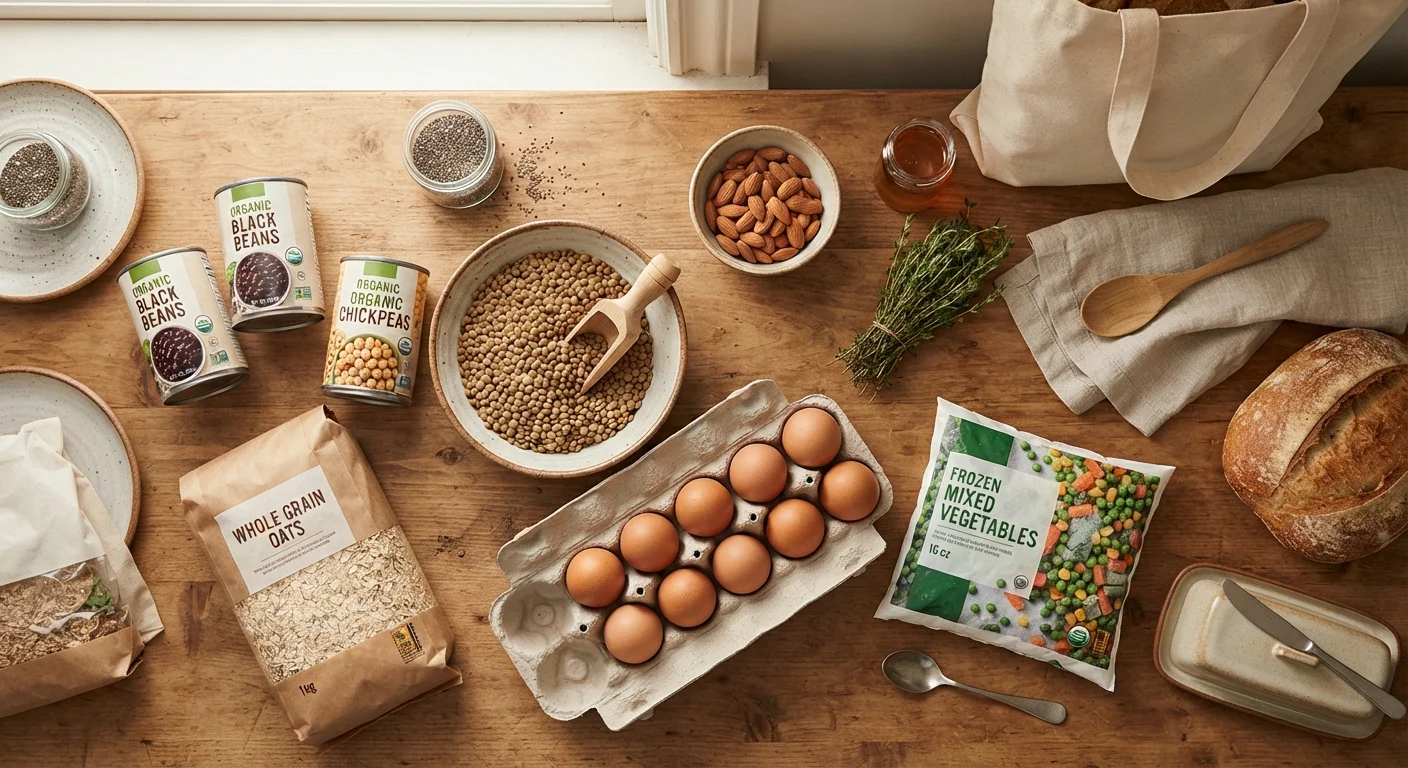
Photo credit: InsightsGrove.com | Discover Joy In Reading
In this article
Frozen veg, canned beans, and own-brand staples get a bad reputation. Here's what nutrition science actually says about affordable everyday foods.
Key Takeaways
- Frozen vegetables are often just as nutritious as fresh, sometimes more so due to rapid post-harvest freezing.
- Canned legumes like beans and lentils are proven sources of protein, fiber, and key micronutrients.
- Supermarket own-brand foods frequently share ingredients and nutritional profiles with name-brand equivalents.
- Price is a poor indicator of nutritional quality - many cheap whole foods outperform expensive processed alternatives.
- Budget-conscious eating can be well-balanced when built around evidence-backed staple foods.
The Real Relationship Between Price and Nutrition
A persistent assumption in food culture is that spending more guarantees eating better. In reality, nutrition science tells a more nuanced story. The cost of a food reflects many factors - branding, packaging, marketing, and supply chain logistics - that have little to do with its vitamin or mineral content.
Research consistently shows that some of the most nutrient-dense foods available - oats, eggs, lentils, canned sardines, frozen spinach - sit at the lower end of the price spectrum. Meanwhile, premium-priced products often owe their cost to presentation, not nourishment. Understanding this disconnect is foundational to eating well on a tight budget without compromising your health.
This article works through some of the most stubborn myths about cheap food - and what the evidence actually says.
Myth
Frozen vegetables are nutritionally inferior to fresh ones.
Fact
Frozen vegetables are often nutritionally comparable to fresh, and in some cases contain higher levels of certain vitamins.
Most frozen vegetables are blanched and frozen within hours of harvest, locking in water-soluble vitamins like vitamin C and folate before degradation occurs. Fresh produce, by contrast, can lose significant nutrient content during transit and extended shelf storage. Studies published in peer-reviewed nutrition journals have found minimal differences in overall nutrient profiles between fresh and frozen options for most common vegetables. See the full evidence comparison of fresh vs frozen vegetables for a detailed breakdown.
Myth
Canned beans and legumes are a poor substitute for dried or fresh varieties.
Fact
Canned legumes retain the vast majority of their protein, fiber, and mineral content, making them a highly practical nutritional choice.
The canning process does reduce some heat-sensitive vitamins, but the core nutritional strengths of legumes - plant protein, dietary fiber, iron, magnesium, and potassium - are well preserved. Rinsing canned beans before use also reduces sodium content substantially. For anyone balancing a tight food budget, canned lentils or chickpeas represent one of the most cost-effective ways to meet daily protein and fiber needs.
Myth
Supermarket own-brand foods are made with lower-quality or less nutritious ingredients.
Fact
Own-brand and name-brand products frequently share the same ingredient sources and comparable nutritional profiles.
Many supermarket own-brand products are manufactured in the same facilities as their name-brand counterparts, differing primarily in packaging and price point. Comparing the nutritional information panels on own-brand versus branded canned tomatoes, oats, or frozen vegetables typically reveals negligible differences. Explore what ingredient labels and nutritional panels reveal about the real differences between own-brand and named brands.
Myth
Eating cheaply means relying on empty calories and nutritionally void foods.
Fact
Many of the world's most nutrient-dense foods - oats, eggs, lentils, sardines, sweet potatoes - are consistently among the least expensive per serving.
Empty-calorie foods exist at every price point, from budget snack packs to expensive artisan pastries. What matters nutritionally is the composition of the food, not its cost. Oats, for instance, provide beta-glucan fiber with well-documented effects on cardiovascular health according to established dietary research. Eggs supply complete protein and choline. Lentils deliver iron and folate. None of these require a significant food budget. The challenge is knowing which affordable whole foods deliver the most value - and building meals around them consistently.
Myth
Cheap protein sources like canned fish are unhealthy due to high sodium or mercury content.
Fact
Canned fish like sardines and salmon are generally low in mercury and rich in omega-3 fatty acids, with sodium manageable through portion awareness.
Smaller, shorter-lived fish such as sardines accumulate far less mercury than larger species. Canned sardines and salmon are recognised by major public health bodies as safe, high-quality protein sources for most adults. Their omega-3 fatty acid content supports cardiovascular and cognitive health. While sodium levels in canned fish are worth noting for individuals managing blood pressure - a conversation best had with a healthcare provider - for most people, canned fish remains one of the most nutritionally complete affordable options available.
What Budget Eating Gets Right (and Where to Watch)
Building a nutritious diet around affordable staples is entirely achievable, but it does require some intentionality. Relying heavily on ultra-processed convenience items - even cheap ones - involves nutritional trade-offs that are worth understanding. For a balanced look at that distinction, see the trade-offs of ultra-processed convenience foods.
The stronger strategy is anchoring meals in whole or minimally processed cheap foods: dried or canned legumes, frozen vegetables, whole grains, and eggs. These deliver meaningful amounts of protein, fiber, complex carbohydrates, and micronutrients per dollar spent. For a focused breakdown of which affordable foods deliver the most nutritional return, see our guide to affordable high-impact foods.
Watch for Sodium in Canned and Processed Staples
Canned vegetables, beans, and soups can contain significant added sodium. Rinsing canned legumes reduces sodium by an estimated 40%, and choosing low-sodium or no-salt-added varieties where available is a straightforward adjustment. Individuals managing blood pressure or kidney health should discuss appropriate sodium intake with a qualified healthcare professional rather than relying on general guidance.
One genuine consideration when cutting food costs is micronutrient gaps - particularly for vitamins D, B12, calcium, and iron, depending on the dietary pattern. Learn which nutrients to monitor and the low-cost foods that supply them. If you have concerns about your specific nutritional needs, a registered dietitian or healthcare provider is the right resource - this article provides general educational information, not personal medical advice.
~$0.25
Estimated cost per serving of canned legumes
Dried and canned legumes are widely cited by nutrition researchers as among the lowest cost-per-gram-of-protein foods available in US supermarkets.
80%+
Vitamin C retained in some frozen vegetables
Research published in nutrition science journals has found that certain frozen vegetables retain more than 80% of their vitamin C content after blanching and freezing.

Author
Health & Wellness Editorial Team
Health & Wellness Editorial Team is the collective byline for our editorial team and contributor network. Articles published under this byline or an editorial pen name are researched, written, and reviewed according to our editorial standards for clarity, consistency, and independence before publication.
View all articles →