
Micronutrients You Might Be Missing When Cutting Food Costs
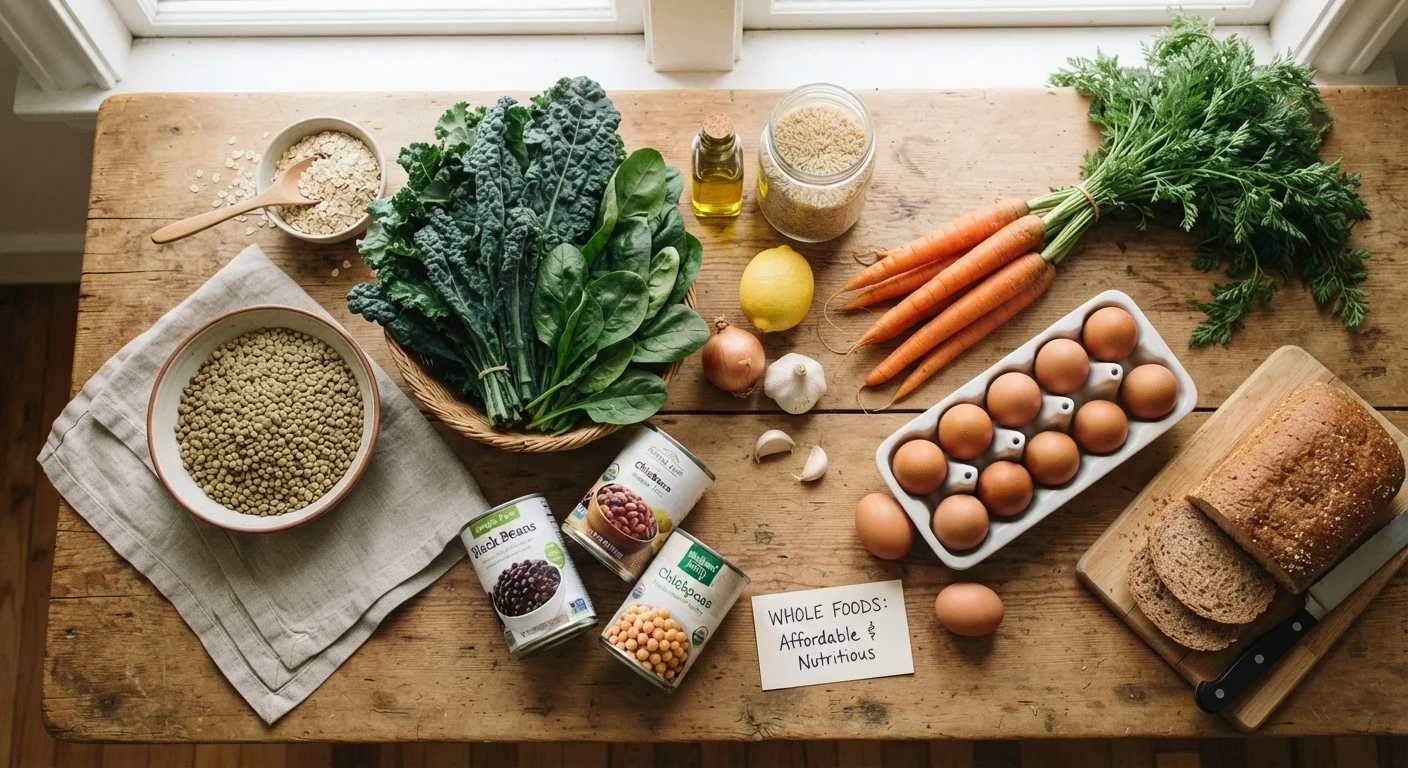
Photo credit: InsightsGrove.com | Discover Joy In Reading
In this article
Eating cheaply can sometimes mean missing key vitamins and minerals. Learn which nutrients to watch for and the affordable foods that supply them.
The Hidden Cost of Cutting Corners on Food
Trimming your grocery bill is a smart financial move - but aggressive cost-cutting can quietly erode the quality of your diet. When staple foods like dairy, meat, fish, and fresh produce get dropped in favor of cheaper refined options, certain vitamins and minerals tend to slip below adequate levels. The good news: most nutritional gaps that emerge from budget eating are preventable once you know what to watch for.
This reference covers the micronutrients most commonly under-consumed when food costs are reduced, explains why each matters, and identifies affordable everyday sources. For a broader foundation, see Eating Well on a Tight Budget for core principles of budget nutrition.
| Micronutrients most at risk on tight budgets | Vitamin D, Iron, Calcium, Zinc, Vitamin B12, Potassium (Consistent finding across dietary quality and food security research) |
| Most affordable high-iron plant food | Lentils (dried) (USDA FoodData Central) |
| Absorption boost for plant-based iron | Pair with vitamin C-rich foods in the same meal (Established nutritional guidance) |
| B12 exclusively from | Animal products or fortified foods (National Institutes of Health, Office of Dietary Supplements) |
| Canned fish benefit | Sardines and salmon with bones supply calcium, vitamin D, and B12 (USDA FoodData Central) |
| Potassium-dense budget staple | White beans (canned or dried) (USDA FoodData Central) |
Six Micronutrients Most at Risk on a Budget Diet
The following nutrients consistently appear in research on dietary quality and food insecurity. Each is obtainable from low-cost foods - the challenge is knowing which ones to prioritize.
Vitamin D
Few foods naturally contain meaningful amounts of vitamin D. When dairy or fatty fish disappear from the shopping list, intake often drops. Canned salmon and sardines remain relatively affordable sources. Eggs (particularly the yolk) contribute modest amounts. Exposure to sunlight supports the body's own synthesis, though this varies by location, skin tone, and season.
Iron
Iron deficiency is one of the most widespread nutritional shortfalls globally. Plant-based sources - lentils, kidney beans, fortified cereals, tofu, and dark leafy greens - can supply adequate iron, but the body absorbs plant-form iron less efficiently than the type found in meat. Pairing plant iron sources with vitamin C-rich foods (tomatoes, bell peppers, citrus) in the same meal meaningfully improves absorption.
Calcium
Dairy is the most concentrated dietary source for most people, but budget eaters who reduce or eliminate it can still meet needs. Canned fish with edible bones (sardines, salmon), fortified plant milks, white beans, and dark leafy greens (particularly bok choy and kale) all contribute. Affordable foods with exceptional nutritional value covers many of these options in detail.
Zinc
Zinc supports immune function and wound healing. Meat, shellfish, and dairy are rich sources, but budget-accessible alternatives include pumpkin seeds, hemp seeds, lentils, chickpeas, and oats. As with iron, plant-based zinc is less readily absorbed - variety and adequate overall intake help compensate.
Vitamin B12
B12 is found almost exclusively in animal-derived foods. People who significantly reduce meat, dairy, and eggs - whether for cost or preference - face a genuine risk of deficiency over time. Fortified foods such as nutritional yeast and certain breakfast cereals can help. Those eating little to no animal products should discuss B12 status with a healthcare provider.
Potassium
Ultra-processed, high-sodium foods that tend to dominate very low-cost diets can displace potassium-rich whole foods. Bananas, potatoes (especially with skin), white beans, lentils, and canned tomatoes are all budget-friendly and potassium-dense. Common patterns that undermine budget nutrition explores how over-reliance on processed staples can backfire.
Micronutrient
Vitamins and minerals required by the body in relatively small amounts to support normal growth, metabolism, and health. Unlike macronutrients (protein, fat, carbohydrate), micronutrients provide no calories but are essential for a wide range of biological functions.
Bioavailability
The proportion of a nutrient that the body is actually able to absorb and use from a given food or supplement. Iron from plant sources, for example, has lower bioavailability than iron from meat, meaning the body absorbs less of it.
Fortified food
A food product to which one or more nutrients have been added during manufacturing, often to compensate for nutrients not naturally present or lost during processing. Common examples include B12-fortified nutritional yeast and vitamin D-fortified plant milks.
Dietary Reference Intake (DRI)
A set of reference values developed by health authorities to estimate the amounts of nutrients needed to meet the requirements of most healthy people. DRIs are used as benchmarks in nutrition research and public health guidance, not as personal prescriptions.
Practical Strategies to Close the Gaps
Understanding which micronutrients are at risk is only useful if it translates into affordable action. A few consistent habits make a meaningful difference:
- Anchor meals around legumes. Lentils, chickpeas, and dried or canned beans are among the lowest-cost foods per serving and supply iron, zinc, potassium, and fiber simultaneously.
- Include one or two canned fish options weekly. Sardines and salmon with bones are compact sources of vitamin D, calcium, and B12 at relatively low cost.
- Use fortified staples strategically. Many breakfast cereals, plant milks, and nutritional yeast products are fortified with B12, D, and iron. Check labels for fortification details.
- Don't overlook frozen vegetables. Frozen spinach, edamame, and peas retain nutritional value well and cost less than fresh. What nutrition science says about affordable everyday foods addresses common misconceptions about frozen and canned options.
- Pair strategically. Adding a squeeze of lemon or a serving of tomatoes to iron-rich plant meals is a no-cost way to improve absorption.
When to Talk to a Healthcare Provider
Nutritional deficiencies often develop gradually and may not cause obvious symptoms early on. If you've significantly changed your diet - especially by reducing animal products or fresh produce - it's worth discussing your nutrient intake with a doctor or registered dietitian. Blood tests can identify deficiencies that food changes alone may not fully address.
This article provides general nutritional information for educational purposes only and is not a substitute for personalised medical or dietary advice. If you have concerns about your nutrient intake or health, consult a qualified healthcare professional.

Author
Health & Wellness Editorial Team
Health & Wellness Editorial Team is the collective byline for our editorial team and contributor network. Articles published under this byline or an editorial pen name are researched, written, and reviewed according to our editorial standards for clarity, consistency, and independence before publication.
View all articles →