
What Your Pet's Annual Vet Visit Actually Covers
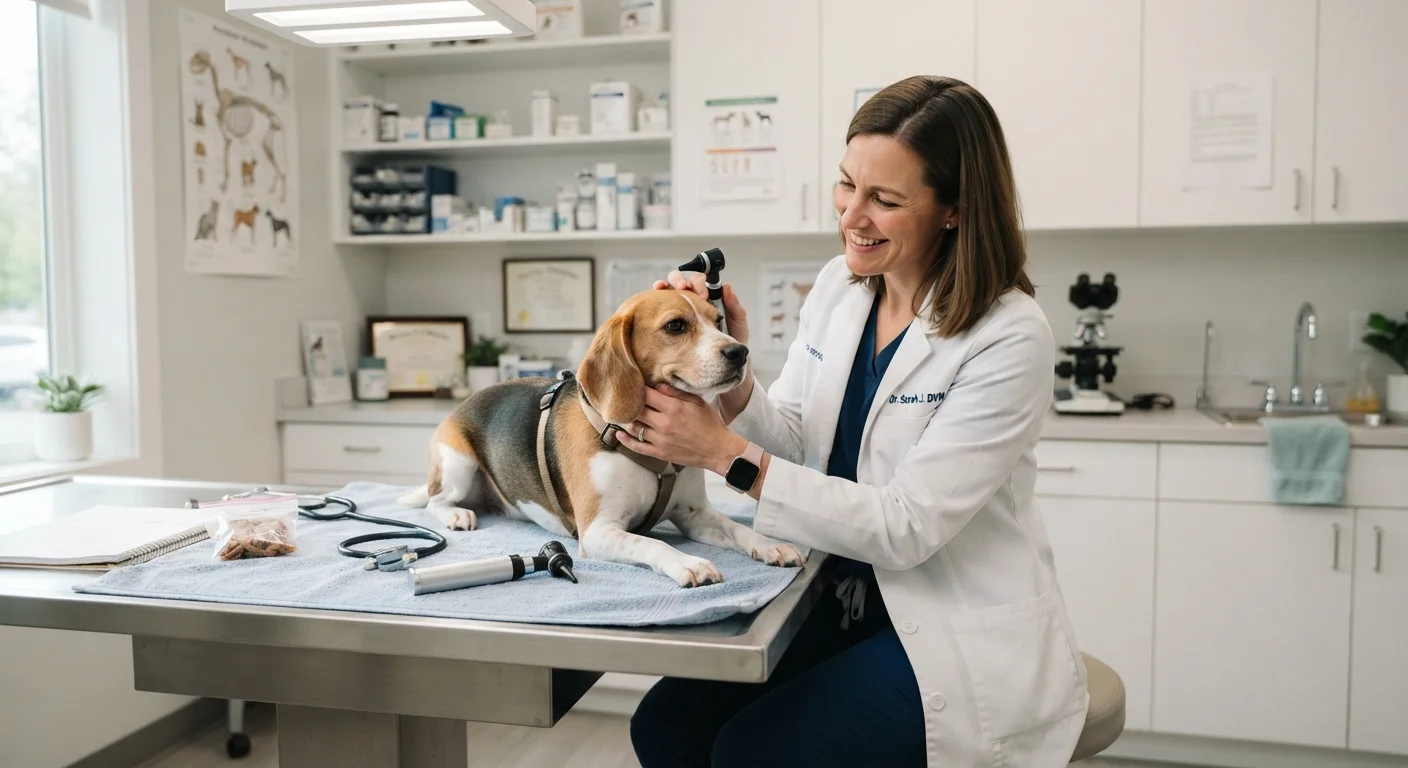
Photo credit: InsightsGrove.com | Discover Joy In Reading
In this article
Annual wellness exams go beyond a quick weigh-in. Here's what vets check, why each step matters, and what to ask before you leave.
Key Takeaways
- A wellness exam covers far more than vaccines - it's a full-body assessment.
- Vets establish baseline measurements that help detect changes over time.
- Parasite prevention, dental health, and nutrition are routinely discussed.
- Bringing a list of questions helps you get the most from each visit.
- Early detection during routine exams can reduce long-term veterinary costs.
More Than a Weigh-In: The Scope of a Wellness Visit
Many pet owners walk into an annual exam expecting a quick check and a vaccine or two. In practice, a thorough wellness visit is a systematic, head-to-tail evaluation that gives your vet a current snapshot of your pet's health and a reference point for future visits.
The exam typically begins before the vet even touches your pet - with a review of weight trends, prior records, and any changes you've reported. From there, the physical assessment moves methodically: eyes checked for cloudiness or discharge, ears inspected for infection or mites, and teeth and gums evaluated for signs of periodontal disease. Dental disease affects the majority of adult pets, yet it's often caught earliest during routine exams rather than at home.
The vet will also palpate your pet's abdomen to check organ size, feel lymph nodes for swelling, listen to the heart and lungs, and assess joints for signs of arthritis or pain. Coat and skin condition can indicate nutritional gaps, allergies, or systemic illness. None of these checks take long individually, but together they form a comprehensive health portrait.
85%
Adult pets with dental disease by age 3
According to the American Veterinary Medical Association, the majority of dogs and cats show signs of periodontal disease by age three - often before owners notice symptoms.
59%
US dogs classified as overweight or obese
The Association for Pet Obesity Prevention has reported that more than half of dogs in the US are above a healthy body weight, making weight assessment a critical part of routine wellness care.
1 in 3
Pets with a detectable health issue at routine exam
Veterinary industry data suggests that a significant proportion of apparently healthy pets have a condition identified during a routine wellness visit that the owner was unaware of.
Vaccines, Parasite Screening, and Preventive Discussions
Vaccine status is reviewed at every annual exam, but not every vaccine is given every year. Your vet will distinguish between core vaccines - those recommended for all pets regardless of lifestyle - and non-core vaccines, which depend on your pet's exposure risk and geographic location. This conversation is a good opportunity to ask which vaccines are legally required versus medically discretionary in your area.
Parasite prevention is another standard agenda item. Your vet will assess your pet's risk for fleas, ticks, heartworm, and intestinal parasites based on where you live and your pet's outdoor habits. Parasite risks vary by season and region, so this discussion helps you choose prevention strategies that match your actual risk level rather than a one-size-fits-all approach.
Nutrition and weight are also addressed during this visit. Obesity is among the most common preventable health conditions in companion animals, and a vet's objective weight assessment - paired with body condition scoring - is more reliable than visual estimates at home.
Prepare a Short Health Log Before Your Visit
In the weeks before your appointment, jot down any changes in your pet's eating, drinking, activity level, or bathroom habits. Even minor observations - a slight limp after walks, increased water intake - can be clinically significant. Vets rely on owner-reported history to fill in gaps that a physical exam alone cannot reveal.
What to Bring and What to Ask
Getting full value from an annual exam requires some preparation on your part. Bring a stool sample if your vet has requested one for parasite screening. Note any behavioral changes, appetite shifts, or physical observations you've made since the last visit - even small ones. Keeping a simple log between visits makes this easier. Our monthly at-home health check guide can help you build this habit.
Come with specific questions written down. Vets cover a lot of ground in a short appointment, and it's easy to forget something once you're in the room. Useful questions include: Is my pet's weight moving in the right direction? Are there early signs of dental disease? What parasite prevention makes sense given where we live? Are any age-related diagnostic tests worth considering?
Understanding what the exam covers also helps you track your pet's health year over year. If you practice regular at-home checks between visits, you'll arrive with more useful observations and leave with a clearer picture of what to watch for next.
This article is for general informational purposes only and does not constitute veterinary medical advice. Always consult a licensed veterinarian for guidance specific to your pet's health needs.
Frequently Asked Questions

Author
Pets & Care Editorial Team
Pets & Care Editorial Team is the collective byline for our editorial team and contributor network. Articles published under this byline or an editorial pen name are researched, written, and reviewed according to our editorial standards for clarity, consistency, and independence before publication.
View all articles →