
Why Small Rooms Feel Even Smaller - and What's Actually Causing It
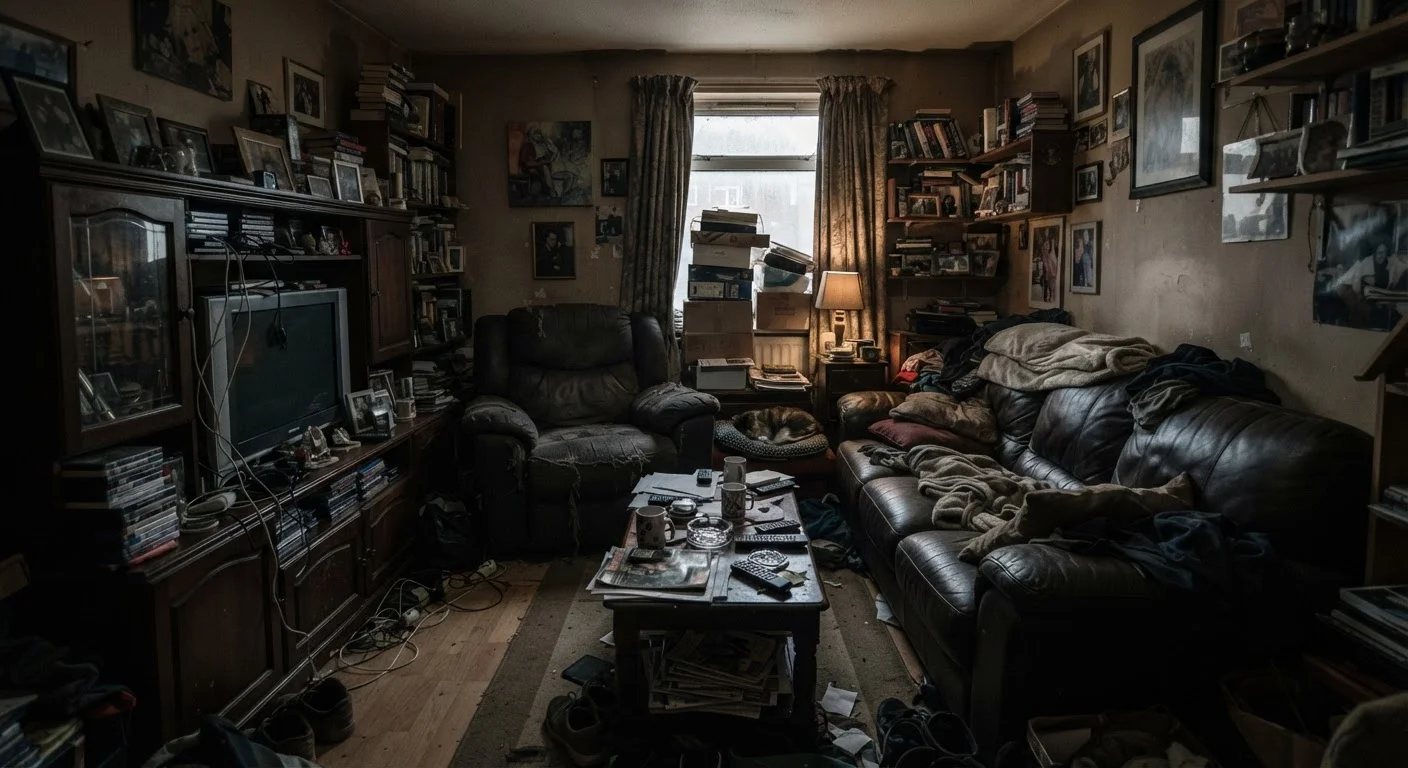
Photo credit: InsightsGrove.com | Discover Joy In Reading
In this article
Furniture scale, colour, lighting, and clutter all affect perceived space. Understand the psychology and physics before reaching for a paint brush.
Key Takeaways
- Furniture scaled too large for a room is the single most common cause of a cramped feeling.
- Blocking natural light pathways shrinks perceived space more than wall color in many cases.
- Visual clutter at eye level affects how the brain reads available space.
- Vertical space is consistently underused, and exploiting it can dramatically change spatial perception.
How Rooms Actually Feel Smaller Than They Are
A room's perceived size and its measured size are two different things. The brain assembles spatial impressions from dozens of simultaneous cues - how light moves, where the eye lands, how easily you can navigate, how much visual noise competes for attention. When these cues suggest confinement, the room feels small regardless of what the tape measure says.
Most small-room problems aren't unsolvable. They're predictable errors that appear in the same pattern across different homes. Understanding what actually triggers the feeling of confinement - rather than guessing - is what separates effective changes from expensive experiments.
Choosing furniture sized for a larger room.
Why it happens: Showrooms and online listings rarely convey true scale. A sofa that looks sleek in a 2,000-square-foot display floor dominates a 12×14 living room.
Blocking natural light with heavy window treatments or bulky furniture placed in front of windows.
Why it happens: Curtains and sofas are placed for comfort or privacy without considering how much light - and perceived depth - they're cutting off.
Treating all four walls the same - same color, same height decor, no visual variation.
Why it happens: Uniformity feels safe and simple, but it flattens a room and removes the visual cues the brain uses to judge depth and dimension.
Ignoring vertical space and keeping everything at furniture height.
Why it happens: Most small-space advice focuses on floor plans, leaving the wall space from about 5 feet up to the ceiling entirely unused.
Accumulating surface clutter that fragments visual space.
Why it happens: Items accumulate gradually and are individually useful, but together they create a visually busy environment that reads as chaotic and confined.
The Design Patterns That Compound Each Other
These mistakes rarely appear in isolation. Oversized furniture blocks windows, which reduces light, which makes surfaces look darker, which makes the room feel heavier. Each problem amplifies the next. That's why a single change - rearranging furniture, for instance - sometimes produces a disproportionately large improvement: it breaks a chain reaction rather than fixing one variable.
Matching Decor Trends Can Backfire in Small Spaces
Low-profile, sprawling sectionals look striking in editorial photos but frequently overwhelm real-world small rooms. Similarly, maximalist gallery walls can feel dynamic in large spaces but read as suffocating when ceiling height is limited. Evaluate any trend against your room's actual dimensions, not the aspirational context in which it's usually shown.
Trendy approaches can create new versions of the same problem. Some popular small-space aesthetics prioritize visual drama over spatial efficiency. It's worth reviewing compact décor approaches that trade function for style before following a trend.
The most durable fix is usually the least glamorous: a clear-eyed audit of what the room contains, how furniture is scaled, and whether light can actually move through the space. Start with those three before reaching for a paint brush or ordering new pieces.
Scale Mismatch Is Structural, Not Cosmetic
Oversized furniture doesn't just look awkward - it physically reduces the usable floor area and disrupts traffic flow. No amount of paint or lighting adjustment fully compensates for furniture that's the wrong scale. Before any decorating decisions, measure your room and your pieces. Understanding furniture proportions is the foundational step most people skip.

Author
Home & Living Editorial Team
Home & Living Editorial Team is the collective byline for our editorial team and contributor network. Articles published under this byline or an editorial pen name are researched, written, and reviewed according to our editorial standards for clarity, consistency, and independence before publication.
View all articles →