
Gym Membership or Home Workout Setup: What the Long-Term Numbers Look Like
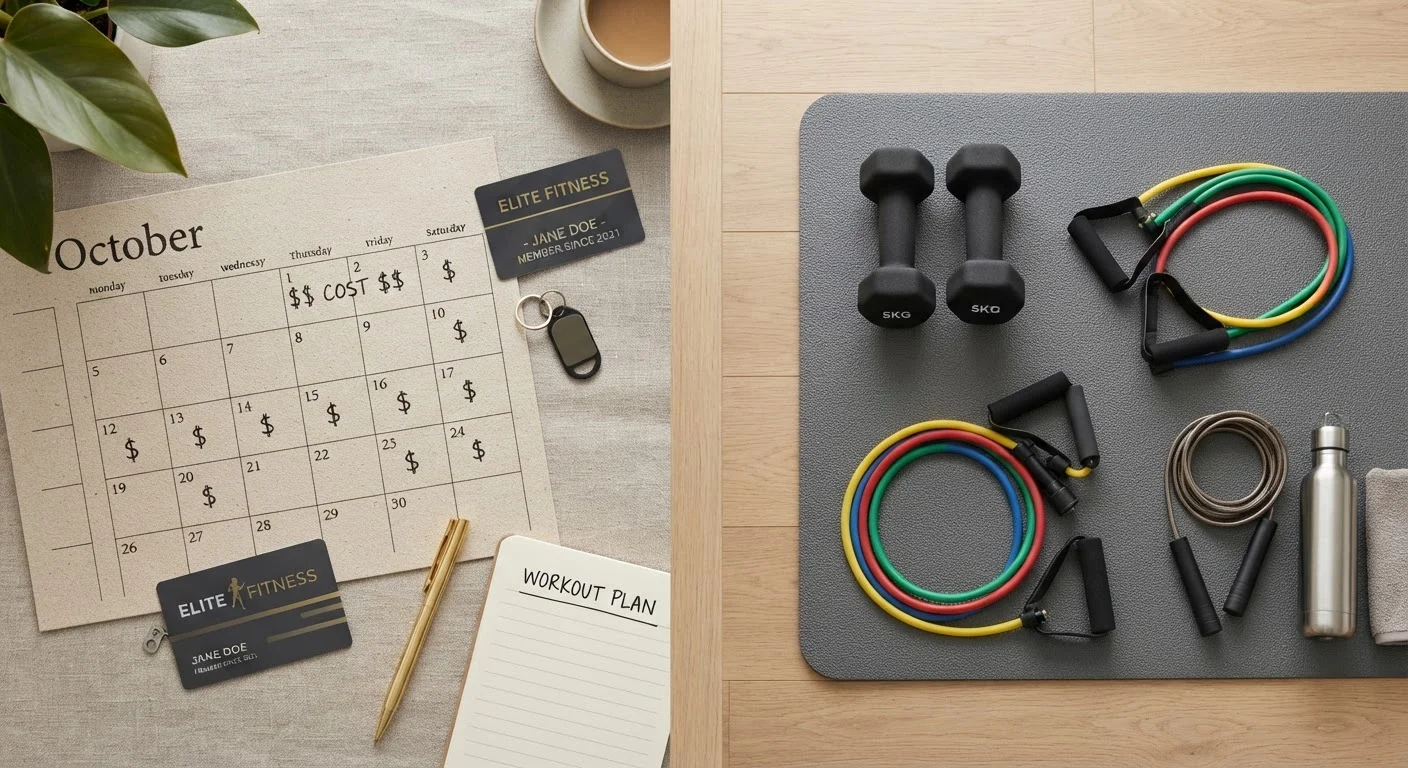
Photo credit: InsightsGrove.com | Discover Joy In Reading
In this article
A cost-focused comparison of gym memberships and home exercise setups over one, two, and five years — without the hard sell either way.
Key Takeaways
- A mid-range gym membership typically costs $400-$600 per year in ongoing fees alone.
- A basic home setup (resistance bands, mat, dumbbells) can be assembled for $100-$250 upfront with near-zero recurring costs.
- Over five years, gym memberships generally cost two to four times more than a comparable home setup.
- Neither option is universally better - your consistency, space, and fitness goals determine real value.
- Hidden costs like initiation fees, parking, and gear can significantly inflate gym expenses.
The Real Cost of a Gym Membership Over Time
Gym memberships are easy to underestimate because the monthly fee looks small in isolation. A budget gym might run $10-$25/month, while mid-tier gyms typically charge $30-$60/month - and premium or boutique studios can exceed $100-$200/month. But add the initiation fee (commonly $50-$100), an annual maintenance fee ($30-$50/year at many chains), and the occasional class or locker charge, and the real annual cost climbs fast.
At $40/month with a $75 initiation fee and $40 annual fee, year one costs roughly $595. Over five years, that compounds to approximately $2,555 - and that's before factoring in parking, gym-specific workout clothes, or the cost of driving there regularly.
Cancellation is another friction point. Many gyms require 30-60 days written notice, and some charge cancellation fees of $50-$75 if you're inside a contract. Forgetting to cancel an unused membership for even two months adds $60-$120 in pure waste - a common experience for gym-joiners who go cold in March.
$58/month
Average US gym membership cost
According to data published by Statista and fitness industry reports, the average American gym member pays roughly $58 per month, though prices vary widely by region and facility type.
67%
Gym members who rarely use their membership
Industry analyses have repeatedly estimated that a substantial majority of gym members - some estimates suggest around two-thirds - use their membership far less than intended, often fewer than once per week.
What a Home Setup Actually Costs to Build
A functional home workout setup doesn't require a garage full of equipment. A resistance band set, yoga mat, and a pair of adjustable dumbbells covers the majority of strength and flexibility training needs for most beginners and intermediate exercisers. That combination can be assembled for roughly $100-$250 depending on dumbbell weight range.
For those wanting to add cardio, a quality jump rope costs $15-$30. A pull-up bar that mounts in a doorframe runs $25-$50. These are one-time purchases - not recurring fees. After year one, ongoing costs drop to near zero, barring replacement of worn items (resistance bands typically last two to four years with regular use).
A more complete home gym - adjustable bench, heavier dumbbell set or a barbell with plates, and a cardio option - might run $500-$1,200 upfront. Even at the high end, that often breaks even with a mid-tier gym membership within 18-24 months. See our beginner's guide to home fitness for help deciding where to start without overbuying.
Start Small to Avoid Overbuying
Before purchasing a full home setup, spend one to two months working with only bodyweight exercises and a single resistance band set. This reveals which equipment gaps are real versus imagined. Many people find they don't need adjustable dumbbells until they've been training consistently for several months - delaying that purchase keeps the upfront cost low and reduces buyer's remorse.
Side-by-Side Numbers: 1, 2, and 5 Years
The table below uses three realistic scenarios: a budget gym ($15/month, $50 initiation), a mid-tier gym ($45/month, $75 initiation, $40/year maintenance), and a basic home setup ($200 upfront, $0 recurring). Numbers reflect total cumulative spend.
| Budget Gym | Mid-Tier Gym | Basic Home Setup | |
|---|---|---|---|
| Year 1 Total Cost | $230 | $595 | $200 |
| Year 2 Total Cost | $410 | $1,075 | $200 |
| Year 5 Total Cost | $950 | $2,555 | $250 |
| Recurring Annual Cost | $180 | $580 | $0-$20 |
| Upfront / Initiation Cost | $50 | $75 | $100-$250 |
| Cancellation Flexibility | Moderate | Low (contracts common) | N/A - you own it |
| Equipment Variety | High | Very High | Low-Medium |
The gap widens dramatically by year five. Even against the cheapest gym option, a home setup is typically cheaper by year two. Against a mid-tier membership, the savings can exceed $1,500 over five years. For a deeper look at what each approach actually delivers in results and consistency - not just cost - see what you actually get for your effort.
Hidden Costs That Don't Show Up in the Monthly Fee
Both options carry costs that rarely appear in the headline number. For gym members, these include:
- Transportation: Driving 10 minutes each way three times a week adds up to roughly 25+ hours of commute per year, plus gas or transit costs.
- Impulse add-ons: Smoothie bars, lockers, towel rentals, personal training sessions, and specialty classes are designed to expand per-visit spending.
- Gear pressure: Gyms are social environments - many members report spending more on workout clothing and shoes than they planned.
Home setups carry their own hidden costs. Space is real money: if you're renting a studio apartment, dedicating floor space to equipment has an implicit cost. Equipment can also accumulate - buying a new item every few months because your goals evolve erodes the cost advantage. The guide to free home fitness options is useful if you want to stress-test what you actually need to buy versus what can be sourced at no cost.
Watch for Auto-Renewing Annual Contracts
Some gym contracts automatically renew for another year unless you cancel within a specific window - sometimes as short as 30 days before the renewal date. Read your membership agreement carefully and set a calendar reminder well before any renewal date. Missing the cancellation window can lock you into another 12 months of fees even if you've stopped going entirely.
Which Option Fits Your Situation
Cost alone shouldn't make this decision - but it should inform it. A few questions help clarify where your money works harder:
- Do you have the self-motivation to train without a designated space? Research consistently suggests that environmental cues - a gym, a class time, a trainer - increase follow-through for many people. If your gym attendance is genuinely high, the per-session cost drops.
- What equipment do you actually use? If your gym visits center on treadmills and dumbbells, those are replicable at home for a fraction of the annual fee. If you rely on cable machines, squat racks, or pools, the calculus changes.
- How stable is your living situation? Renters who move frequently may prefer the flexibility of a month-to-month membership over accumulating equipment. Equipment is heavy and awkward to move.
For those leaning toward home training, the resistance bands vs. bodyweight training comparison and home cardio options breakdown are good next reads to build a realistic, low-cost program. If space is tight, small-space fitness strategies covers what's achievable without a dedicated room.
This article is for general informational purposes only and does not constitute financial or medical advice. Consult a qualified professional for guidance specific to your circumstances.

Author
Smart Spending Editorial Team
Smart Spending Editorial Team is the collective byline for our editorial team and contributor network. Articles published under this byline or an editorial pen name are researched, written, and reviewed according to our editorial standards for clarity, consistency, and independence before publication.
View all articles →