
Home Fitness on a Zero Budget: What's Actually Free and What Isn't
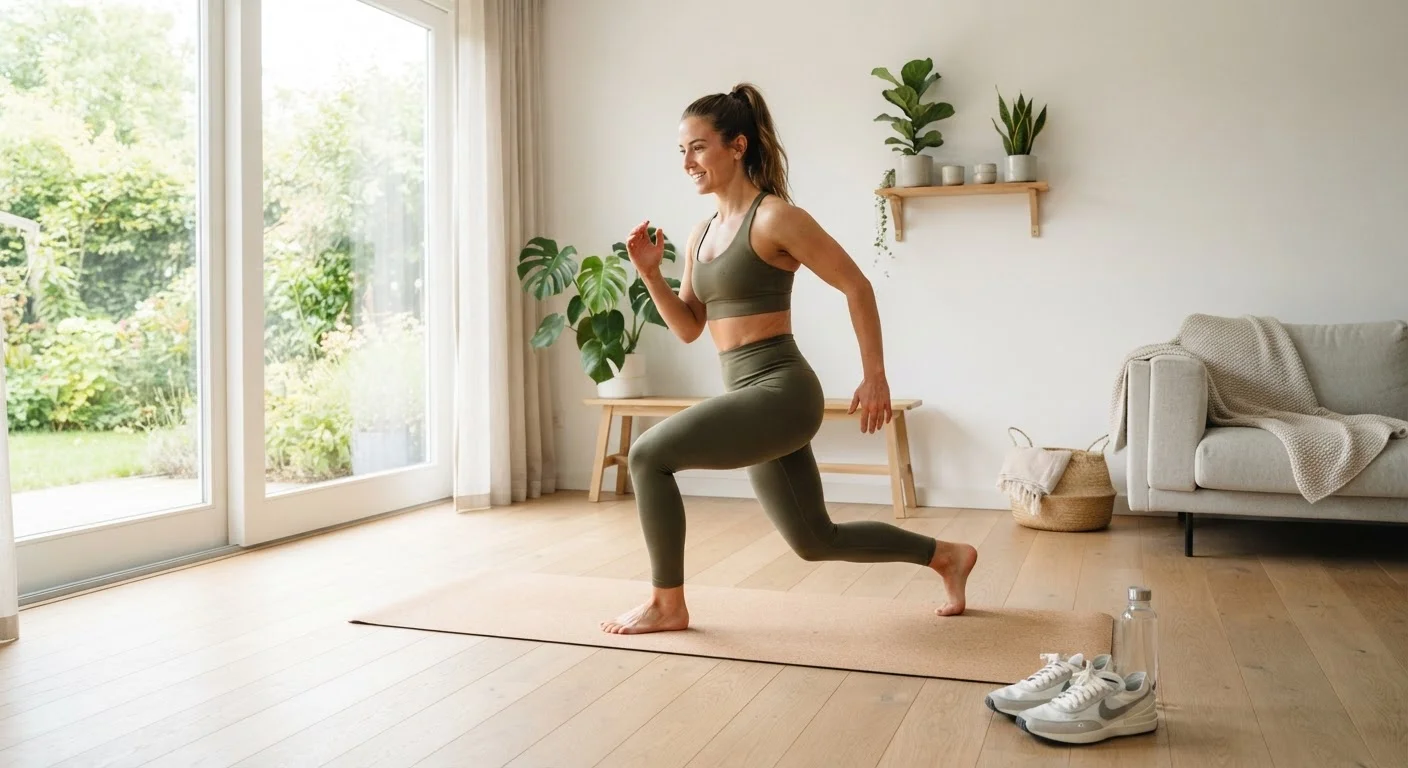
Photo credit: InsightsGrove.com | Discover Joy In Reading
In this article
A realistic look at free home fitness resources — from public workout videos to outdoor spaces — and where hidden costs can sneak in.
Key Takeaways
- Bodyweight training is genuinely free and research-backed for building strength and cardiovascular fitness.
- Many popular workout platforms offer free tiers, but premium content, apps, and equipment often carry hidden costs.
- Public parks, trails, and community recreation centers are underused free or low-cost fitness resources.
- Consistency and progressive challenge matter more than gear - most fitness goals can be met without spending anything.
- Always consult a qualified healthcare professional before starting a new exercise program, especially with existing health conditions.
The Real Landscape of Free Home Fitness
The promise of zero-cost fitness is everywhere online - but the reality is more nuanced. Some resources truly are free; others are free only in a limited sense, with paywalls, equipment requirements, or subscription upsells built in. Understanding the difference helps you build a sustainable routine without accidentally racking up costs you didn't plan for.
The good news: an evidence-informed, effective fitness routine is genuinely achievable at no cost. The US Department of Health and Human Services recommends at least 150 minutes of moderate-intensity aerobic activity per week for most adults, plus muscle-strengthening activities on two or more days - and none of that requires a gym or paid app. If you're also working with limited floor space, our small-space fitness guide covers how to train effectively in tight quarters.
What 'Free' Usually Means Online
In the fitness content space, 'free' often means ad-supported, trial-limited, or feature-restricted. A workout video posted publicly on a video platform is free in a durable sense. A '7-day free trial' of a subscription app is free only temporarily. Knowing which category a resource falls into helps you plan a routine that won't hit an unexpected cost wall after you're already committed to it.
This article is general health and fitness information only. It is not a substitute for personalised medical advice. If you have existing health conditions or haven't exercised in a long time, consult a qualified healthcare professional before beginning a new program.
What's Actually Free - and What Quietly Isn't
Bodyweight exercise - genuinely free, genuinely effective
Push-ups, squats, lunges, planks, burpees, and dozens of variations require zero equipment and zero cost. Research published in peer-reviewed exercise science literature supports bodyweight training as an effective method for improving muscular endurance, strength, and cardiovascular fitness across a range of fitness levels. The only real investment is time and effort.
Watch for: Workout programs or apps that use bodyweight exercises as a hook but lock the structured progressions behind a subscription. The exercises themselves are free - the curated program is often not.
Push-ups and squats cost nothing and are backed by solid exercise science.
Free workout videos - valuable but not always unlimited
Video platforms host an enormous volume of free workout content - yoga flows, HIIT sessions, strength circuits, and mobility routines - from certified trainers and fitness educators. This is a legitimate, high-value free resource. Many instructors post full-length workouts at no cost as part of their content model.
Watch for: Fitness channels or platforms that offer a free trial, then transition to a paid subscription for ongoing access. Others make beginner content free but gate intermediate and advanced programming. Before committing to a platform, verify what's permanently free versus what's behind a paywall - and check whether you need equipment for the workouts labeled 'equipment-free.'
Free workout videos are a genuine resource - but always verify what stays free long-term.
Outdoor spaces - parks, trails, and public courts
Public parks, running trails, outdoor fitness stations, and recreational fields are free to use and represent one of the most underutilized fitness resources available. Running, walking, bodyweight circuits at outdoor gym stations, pickup sports, and stair climbing all carry no membership fee. Many US cities and towns maintain publicly accessible fitness equipment in parks through municipal recreation programs.
Watch for: Some public recreation centers or pools charge a nominal fee for facility access, even if the outdoor grounds are free. Check your local parks and recreation department website for accurate information on what's available at no cost in your area.
Public parks with outdoor fitness stations are an overlooked and entirely free training resource.
Fitness apps - free tiers vary widely
Many fitness apps advertise themselves as free, but this often means a limited free tier alongside a premium subscription. A handful of apps offer genuinely comprehensive free content, including workout tracking and guided sessions. Others provide only a narrow sample before requiring payment for anything useful.
Watch for: Auto-renewing subscriptions after a free trial period, in-app purchases for individual programs or challenges, and apps that charge for features as basic as rest timers or workout logging. Before downloading, read the app's pricing structure carefully - not just the headline 'free' label. Your phone's built-in health and activity tracking is free and surprisingly capable for basic fitness monitoring.
A 'free' label on a fitness app doesn't mean the useful features cost nothing.
Home workout equipment - where costs quietly accumulate
True zero-budget fitness means no equipment purchases. But many 'home workout' guides quietly assume you own a yoga mat, resistance bands, dumbbells, a pull-up bar, or foam roller. These items are genuinely useful - but they are not free, and costs add up quickly if you're not intentional.
Watch for: Workout programs marketed as 'home-friendly' that list equipment in the materials section. If you choose to invest in any items, secondhand marketplaces and community buy-nothing groups are often worth checking before paying retail prices. That said, a clear-eyed look at cutting fixed costs may reveal that reallocating existing spending is a better path than adding new purchases.
Equipment-free means zero equipment - not just cheaper equipment than a gym uses.
Online fitness communities - free support with boundaries
Reddit communities, social media fitness groups, and free Discord servers offer genuine peer support, accountability, and shared programming - all at no cost. For many people, community accountability is a meaningful factor in exercise adherence, and these spaces can provide it without a membership fee.
Watch for: Fitness communities that funnel members toward paid coaching, affiliate product purchases, or supplement recommendations. Peer advice from non-professionals, however well-intentioned, is not a substitute for guidance from a certified fitness professional or healthcare provider, particularly if you're managing an injury or health condition. Use these communities for motivation and general information, not medical or clinical guidance.
Online fitness communities offer real accountability - but peer advice isn't professional guidance.
Start With What You Already Have
Before searching for free resources online, audit what's already available to you: floor space, a sturdy chair, stairs, and outdoor areas are all training tools. Many people find that a structured bodyweight routine using only these elements covers the full range of movement patterns needed for general fitness. Adding resources later is easier than sifting through costs upfront.
For a broader look at how home training stacks up financially over time, see the long-term cost comparison between gym memberships and home setups. If you're curious whether equipment like resistance bands could add value without breaking the bank, this breakdown of bodyweight vs. resistance band training is worth reading before you spend anything.
Building a Zero-Budget Routine That Actually Works
The most effective free fitness plan is one you'll actually follow. Research consistently shows that consistency - not equipment or program complexity - is the primary driver of long-term fitness outcomes. Start with bodyweight fundamentals, use free video resources as needed, and build in progressive difficulty by adjusting volume, tempo, or exercise variation over time.
If you find yourself hitting walls with motivation or progress, common fitness myths may be getting in your way - the evidence often contradicts what popular culture says you need. And if you're still weighing whether a gym makes sense for your goals, this comparison of home workouts vs. gym memberships gives an honest accounting of what each delivers. Either way, smart spending habits - explored further in our everyday budgeting hub - can help you keep fitness costs in check for the long run.
This article is for general informational and educational purposes only and does not constitute medical or professional fitness advice. Consult a qualified healthcare provider before starting any new exercise program.

Author
Health & Wellness Editorial Team
Health & Wellness Editorial Team is the collective byline for our editorial team and contributor network. Articles published under this byline or an editorial pen name are researched, written, and reviewed according to our editorial standards for clarity, consistency, and independence before publication.
View all articles →