
Eating Well on a Travel Budget: Strategies That Go Beyond Cooking Hostel Pasta
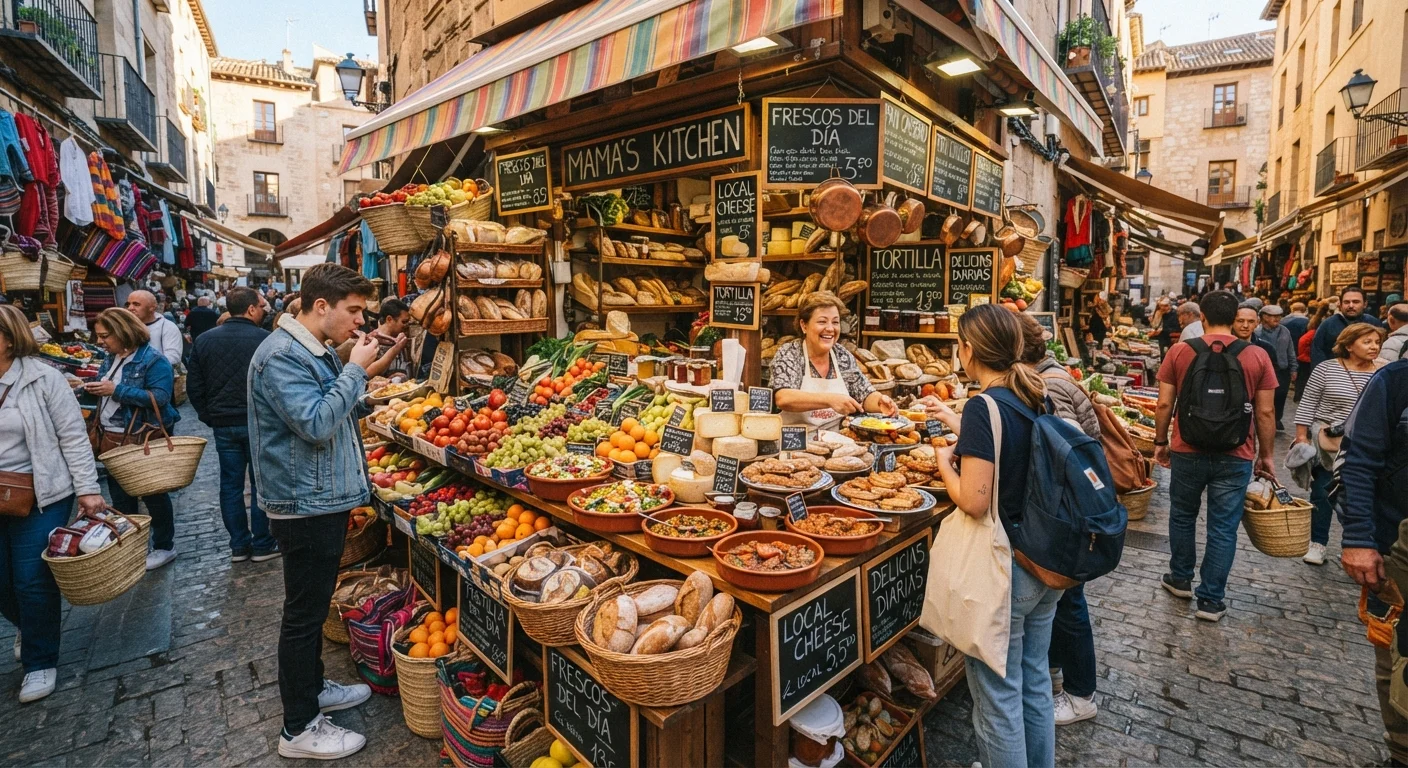
Photo credit: InsightsGrove.com | Discover Joy In Reading
From local markets to lunch menus, learn how to eat authentically and affordably without sacrificing the experience of a place.
Key Takeaways
- Lunch menus and market stalls consistently offer the best value for authentic, affordable eating abroad.
- Avoiding tourist-zone restaurants in favor of neighborhood spots can cut meal costs significantly.
- Timing, language basics, and a little research go further than cooking every meal yourself.
- Street food is often safer than its reputation suggests and reflects a destination's real food culture.
- A few deliberate splurges on memorable meals are sustainable when you eat cheaply the rest of the time.
Why Hostel Pasta Isn't the Only Answer
Self-catering is a legitimate strategy, but treating it as the default can actually rob you of the thing that makes travel worthwhile: experiencing a place through its food. The good news is that eating well and eating cheaply aren't mutually exclusive — they just require a different approach than defaulting to the hostel kitchen or the nearest fast-food chain.
The strategies below work across a wide range of destinations, from affordable capital cities like Mexico City and Lisbon to Eastern European cities that reward slow travelers. They're built around one core idea: the cheapest meal is rarely the most obvious one.
Seek out the lunch menu (menú del día and its equivalents)
Across much of southern Europe and Latin America, restaurants offer a fixed-price lunch — often two or three courses with a drink — at a price point that can be half or less of dinner. In Spain it's the menú del día; in Portugal, the prato do dia; in Mexico, the comida corrida. These menus exist because locals use them, which means the food is typically fresh, plentiful, and representative of actual regional cooking.
The practical move: eat your biggest meal at midday and keep evenings light with market snacks or a simple street food pick. This alone can restructure your daily food budget significantly without any sacrifice in quality.
Fixed-price lunch menus eaten where locals eat can cut your daily food spend nearly in half.
Use food markets as your primary grocery store
Supermarkets exist everywhere, but municipal food markets — mercados, halles, wet markets — offer something different: fresher produce, prepared foods made that morning, and often ready-to-eat meals at prices aimed at locals who shop there regularly. Many markets also have small canteen-style counters where vendors serve hot food at a fraction of restaurant prices.
Before you default to a supermarket chain, spend ten minutes walking a local market first. You'll often find better ingredients at lower prices, plus prepared options that require zero cooking. This pairs well with traveling light — a small reusable bag and a pocketknife-sized utensil set means you can picnic almost anywhere.
Municipal food markets often sell fresher ingredients and prepared meals at prices locals actually pay.
Walk two blocks away from the tourist zone
Restaurants on the main square or along the waterfront promenade charge a premium that has nothing to do with food quality — it's a location fee. Identical dishes served two streets inland can cost 30–50% less. This isn't a universal rule, but it holds reliably enough that it's worth testing in every new city.
Look for places where the menu isn't translated into four languages, where the chalkboard changes daily, and where families are eating rather than tourists photographing their plates. These signals don't guarantee a great meal, but they correlate strongly with honest pricing and locally sourced cooking.
Moving just two streets away from tourist areas routinely drops meal prices by 30–50%.
Take street food seriously as a strategy, not a fallback
Street food is the primary food culture in many of the world's most compelling destinations — Vietnam, Mexico, Thailand, India, Turkey, and elsewhere. Treating it as a last resort misses both the experience and the value. A bowl of phở from a Hanoi street stall, a taco from a Mexico City taqueria, or a börek from a Turkish bakery counter can each be among the most memorable and affordable meals of a trip.
On food safety: cooked-to-order street food served hot is generally considered lower risk than pre-prepared food sitting at room temperature. Busy stalls with high turnover are a reasonable proxy for freshness. That said, individual health circumstances vary — travelers with specific medical concerns should consult a healthcare professional before their trip and check government travel health advisories.
For destination-specific context, a breakdown of food costs in Vietnam illustrates how central street food is to keeping costs realistic.
Street food isn't a compromise — in many destinations it's the most authentic and affordable eating available.
Front-load research, not spontaneity
The most expensive meal most travelers eat is the one they stumble into hungry, tired, and without a plan. Spending 15 minutes before arriving in a new city to identify one or two reliable neighborhood spots — not necessarily reviewed by international travel publications, but mentioned in local expat forums, food blogs, or resident community groups — is one of the highest-return uses of planning time.
This doesn't mean scheduling every meal. It means having a fallback that isn't the tourist trap around the corner from your accommodation. Unplanned spending on food is one of the most consistent patterns that quietly erodes travel budgets.
Fifteen minutes of pre-arrival food research prevents the hungry, unplanned meals that hit budgets hardest.
Budget for one deliberate splurge per destination
Eating cheaply at every meal is both unsustainable and unnecessary. A more durable approach: plan one meaningful restaurant meal per city — somewhere with a reputation for doing something specific exceptionally well — and eat frugally around it. This keeps the overall budget intact while ensuring food remains part of the travel experience rather than just fuel.
The key is making the splurge intentional rather than reactive. Choosing a restaurant in advance, understanding what it's known for, and going in with appetite and curiosity produces a far better experience than spending the same amount impulsively. For ideas on destinations where food culture and affordability overlap naturally, Latin America's inland cities and budget travel in Japan are worth exploring.
One planned splurge per destination keeps food meaningful without breaking the overall budget.
Putting It All Together
Food spending is one of the most controllable line items in any travel budget — and one of the most rewarding places to invest thoughtfully. A traveler who eats street food for breakfast, a lunch menu for their main meal, and snacks from a local market in the evening can eat well for a fraction of what they'd spend at sit-down tourist restaurants.
Track food spending for just two days
If you're not sure where your food budget is going, log every food purchase for your first two days in a destination. Most travelers find one or two consistent patterns — airport snacks, tourist-zone lunches, convenience store drinks — that account for a disproportionate share of spending. Identifying them early gives you the information to adjust without overhauling your whole approach.
For a broader view of where food costs fit into the overall picture, see the full picture of travel on a tight budget. And if you're curious about how food spending patterns quietly derail travel finances, where budget travelers tend to overspend is worth a read before your next trip.
This article is for general informational purposes only. Prices, availability, and conditions vary by destination and change over time — always verify current information through local sources before traveling.

Author
Travel Smarter Editorial Team
Travel Smarter Editorial Team is the collective byline for our editorial team and contributor network. Articles published under this byline or an editorial pen name are researched, written, and reviewed according to our editorial standards for clarity, consistency, and independence before publication.
View all articles →