
Eastern Europe on a Shoestring: Why the Region Rewards Slow Travelers
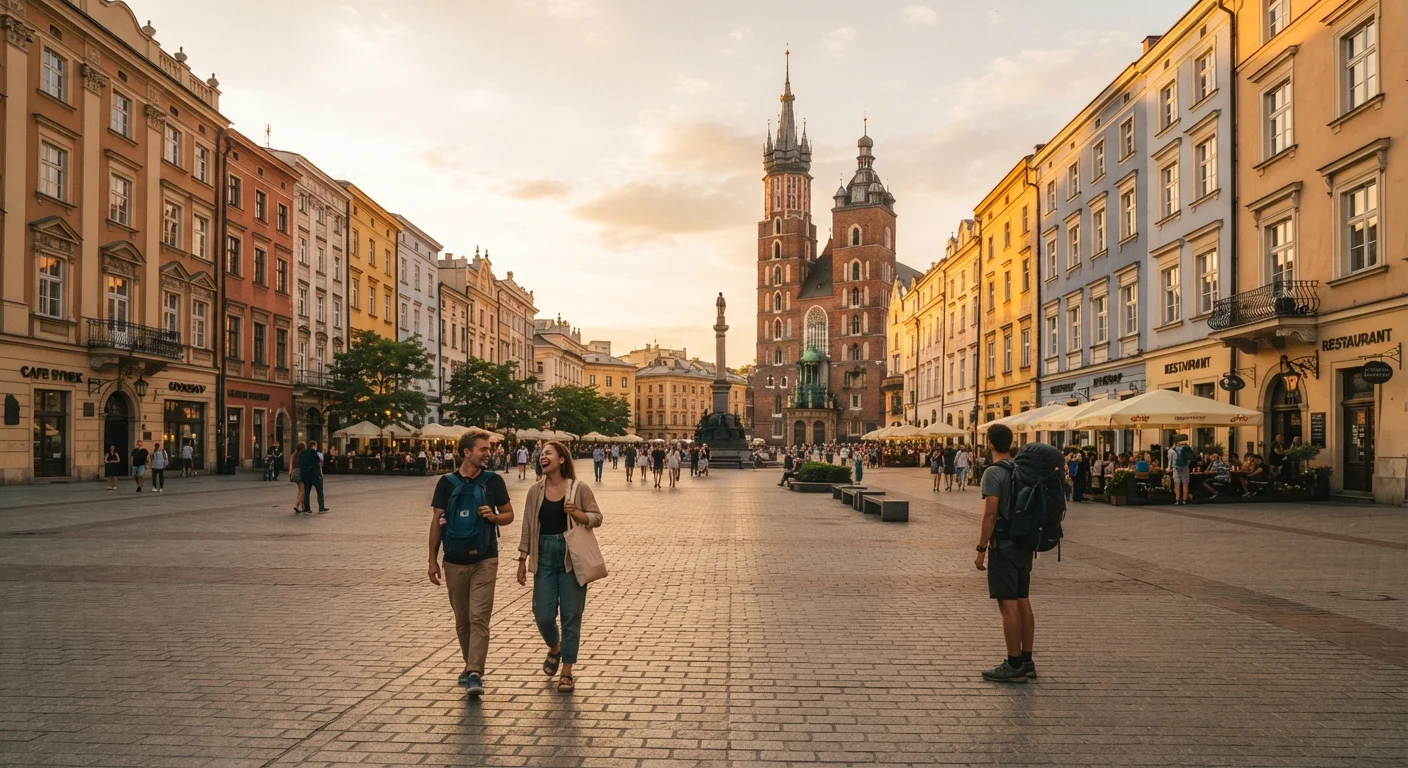
Photo credit: InsightsGrove.com | Discover Joy In Reading
In this article
From Kraków to Tbilisi, Eastern Europe offers rich culture and low costs. Here's what makes it such a compelling destination for budget-conscious travelers.
Key Takeaways
- Eastern Europe's cost of living is meaningfully lower than Western Europe, especially for food, accommodation, and local transit.
- Slow travel amplifies savings — fewer inter-city moves means less spent on transportation.
- Countries like Poland, Georgia, Albania, and North Macedonia offer rich culture with low tourist prices.
- Many Eastern European countries are visa-free or offer simple visa-on-arrival for US passport holders.
- Off-peak travel to the region can reduce already-low prices further, though some services may be limited.
- Eating locally — markets, lunch specials, bakeries — is where the biggest food savings happen in this region.
What Makes Eastern Europe Different for Budget Travelers
Eastern Europe occupies a specific niche in the budget travel landscape: genuine historical depth, accessible infrastructure, and prices that reflect local wages rather than tourist markups. That combination is harder to find than most travelers expect.
The region broadly covers countries from Poland and the Baltic states in the north, through Hungary, Romania, and Bulgaria, down to the Western Balkans — Albania, North Macedonia, Serbia — and further east into Georgia. These countries share a lower general cost of living compared to Western Europe, which translates directly into what a visitor pays for a bed, a meal, or a bus ticket.
This isn't the same as Southeast Asia's rock-bottom pricing, but it's a meaningful gap. For US travelers already comfortable navigating European infrastructure, it can feel like a significant upgrade in purchasing power. Affordable Europe travel is possible — and Eastern Europe is where the math tends to work most clearly.
~40–60%
Lower general price level vs. Western Europe
Eurostat purchasing power data consistently shows Eastern EU members having significantly lower price levels for consumer goods and services than the EU average.
365 days
Visa-free stay in Georgia for US citizens
Georgia's liberal visa policy allows US passport holders to stay up to a full year without a visa, making it unusually accessible for long-term slow travelers.
€25–€50
Estimated daily budget range in affordable Eastern European cities
Budget travel communities and backpacker reports commonly cite daily budgets in this range for countries like Bulgaria, Albania, and North Macedonia — covering basic accommodation, food, and local transit. Treat as a rough benchmark only; verify current costs independently.
Why Slow Travel Works Especially Well Here
The biggest expense most travelers don't fully account for is movement. Every city change involves a train, bus, or flight ticket — costs that compound quickly on a two-week trip with six stops. Eastern Europe's geographic compactness helps, but the real savings come from resisting the urge to keep moving.
Spending a week in Kraków, Tbilisi, or Sofia rather than two or three days unlocks a different tier of accommodation. Weekly apartment rentals, negotiated hostel rates, and neighborhood markets become accessible. Daily costs drop because you stop eating at the first restaurant you see and start eating where locals actually go.
Slow travel also changes how you experience a place. The cultural richness of the region — its food traditions, architecture, and history — reveals itself gradually rather than as a highlight reel. That's genuinely harder to replicate by rushing. Planning a tight-budget trip end-to-end requires thinking about pace as seriously as destination choice.
Use Weekly Apartment Rentals to Reduce Nightly Costs
In most Eastern European cities, apartment rentals shift to a lower per-night rate after five or seven nights. If you know you're staying a week, contact hosts directly or use platforms that display weekly pricing. The savings compared to hostel dorm rates can be meaningful — and you gain kitchen access, which cuts food costs further.
Destinations Worth Considering — and Honest Caveats
A few areas within Eastern Europe stand out for budget travelers, though it's worth noting that costs and conditions change, and these are starting points for your own research:
- Kraków, Poland: Well-connected, English-friendly, dense with museums and history. One of the more visited cities in the region, which means more tourist-facing pricing in the Old Town — but a short walk into residential neighborhoods corrects that quickly.
- Tbilisi, Georgia: Often cited as one of the most affordable cities in the world for its cultural offerings. Georgian food is exceptional and cheap. The country offers a full year of visa-free stay for US passport holders, making it unusual for long-term slow travel.
- Albania (Tirana and beyond): One of the least-visited countries in Europe and among the most affordable. Infrastructure is improving, and the Accursed Mountains and Riviera coast offer genuine outdoor value.
- North Macedonia and Bulgaria: Both offer low daily costs, underrated capital cities (Skopje and Sofia), and access to nature without the crowds of more-marketed destinations.
Verify visa requirements and current travel advisories through official government sources before booking. Conditions vary and change.
Eating Well Without Overspending
Food is where Eastern Europe's budget advantage becomes most tangible. Market culture is strong across the region — covered markets in Sofia, Tbilisi's Dezerter Bazaar, or Kraków's Hala Targowa offer fresh, cheap ingredients if you have access to a kitchen. Even without one, street food and bakery culture keeps costs low.
The lunch menu — called obiad in Polish, prix fixe equivalents in other countries — is a consistent budget tool. Sit-down restaurants in Eastern Europe frequently offer two or three courses at midday for prices that feel implausible by Western standards. Dinner at the same restaurant costs considerably more. Timing matters.
Eating authentically and affordably is a learnable skill, and Eastern Europe is a good place to practice it because the gap between tourist restaurant prices and local prices is visible and easily navigable.
Currency Varies Across the Region
Not all Eastern European countries use the Euro. Poland uses the złoty, Romania the leu, Georgia the lari, and Albania the lek, among others. While this can work in your favor when exchange rates are favorable, it also means tracking multiple currencies. Check current exchange rates before you go, and be aware that airport and tourist-area exchange booths often offer unfavorable rates compared to in-city ATMs or local banks.
Frequently Asked Questions

Author
Travel Smarter Editorial Team
Travel Smarter Editorial Team is the collective byline for our editorial team and contributor network. Articles published under this byline or an editorial pen name are researched, written, and reviewed according to our editorial standards for clarity, consistency, and independence before publication.
View all articles →