
Traveling Cheaply in Europe Is Still Possible — Here's How the Math Works
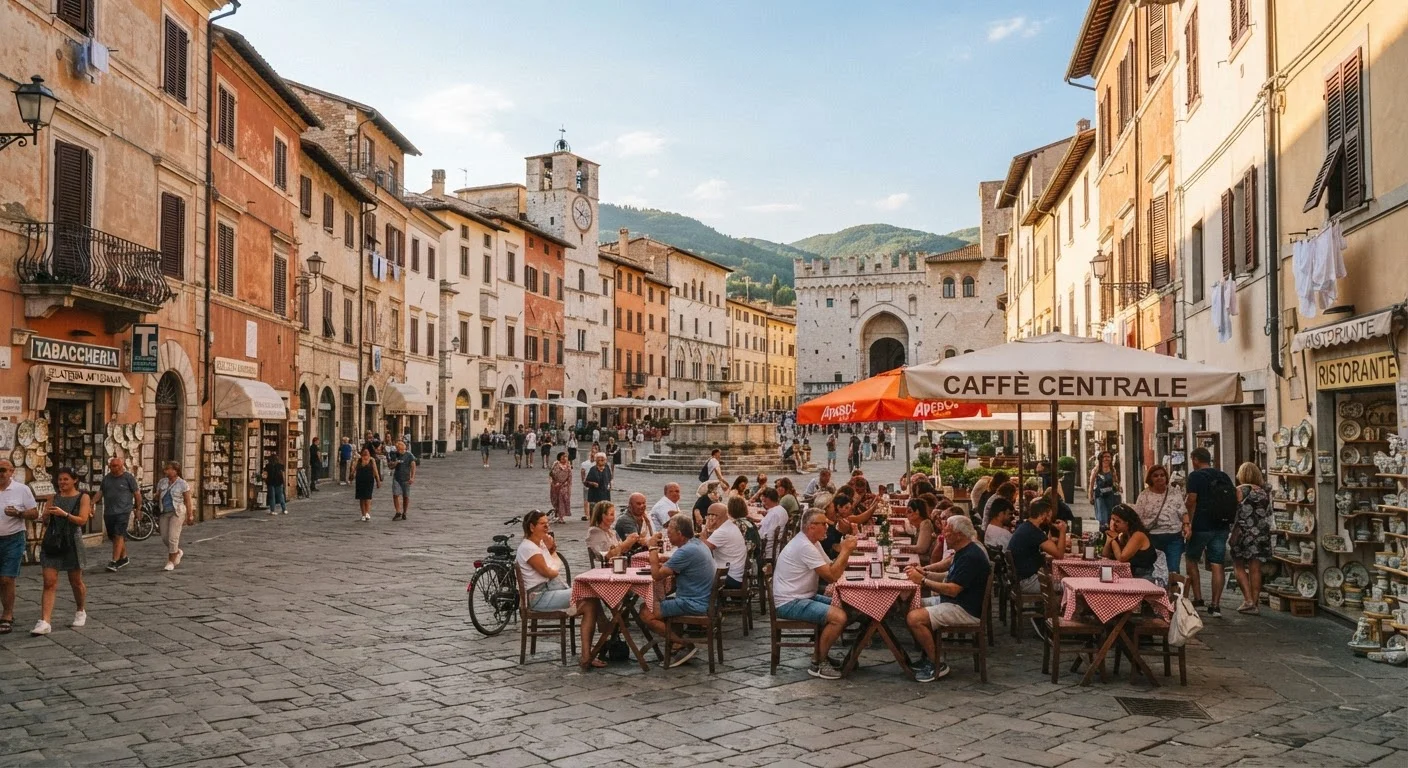
Photo credit: InsightsGrove.com | Discover Joy In Reading
In this article
Europe has a reputation for being expensive, but slow travel, regional trains, and lesser-known destinations can make it genuinely affordable. Here's the logic.
Key Takeaways
- Western Europe's most famous cities are expensive, but much of the continent is genuinely budget-friendly.
- Slow travel — spending more days in fewer places — cuts per-day costs significantly.
- Regional trains and buses are often far cheaper than flying between European cities.
- Eastern and Southern Europe offer lower baseline costs without sacrificing cultural depth.
- Shoulder season travel can reduce accommodation and attraction costs considerably.
Why Europe's Expensive Reputation Is Only Half True
Ask most Americans whether Europe is affordable, and you'll hear some version of the same answer: "It used to be, but not anymore." That's understandable — Paris, Amsterdam, and Zurich genuinely rank among the world's most expensive cities. But Europe isn't a monolith. It spans dozens of countries, hundreds of cities, and a wide spectrum of living costs. Treating it as a single price point is like saying "America is expensive" because New York City exists.
The math changes dramatically once you move beyond the marquee destinations. Countries like Portugal, Poland, Hungary, Albania, and North Macedonia have baseline costs — accommodation, food, transit — that are a fraction of what you'd spend in Western Europe's tourist centers. Even within pricier countries, secondary cities and rural areas operate on a different budget entirely.
For a fuller breakdown of how destination choice shapes total trip cost, see our complete guide to budget travel planning.
Myth
Europe is too expensive for budget travelers — you need significant savings just to visit.
Fact
Costs vary enormously by country and city. Large parts of Europe are genuinely affordable, especially outside peak Western European tourist hubs.
This myth persists because most travel media focuses on iconic, expensive cities. But countries like Albania, North Macedonia, Georgia, Moldova, and parts of the Balkans have daily costs — including accommodation, food, and local transit — that can rival or undercut Southeast Asia for some travelers. Even within expensive countries, staying in smaller cities or towns cuts costs substantially without eliminating the experience of being in, say, Germany or France.
Myth
Flying between European cities is always the fastest and cheapest way to get around.
Fact
For trips under roughly 400 miles, regional trains and buses are frequently cheaper once fees and transit time are factored in.
Budget airline base fares look attractive, but checked baggage fees, seat selection charges, airport-to-city transit costs (often $15–$30 each way), and the time cost of arriving two hours early add up quickly. A direct train between two city centers — no extra transit, no baggage fees, no security theater — often beats the total cost and sometimes the total travel time. Advance-purchase rail tickets across Europe can be particularly inexpensive when booked weeks ahead.
Myth
You have to visit the major tourist sites to get value from a European trip.
Fact
Secondary and tertiary cities often offer richer, less crowded experiences at lower cost than the headline destinations.
Most travelers go to Rome, Barcelona, Prague, and Amsterdam — which means accommodation prices in those cities reflect intense demand. Cities like Porto, Bologna, Gdańsk, Brno, Plovdiv, and Kotor offer comparable architectural beauty, distinctive food scenes, and genuine local life, at meaningfully lower prices. The trade-off is simply that fewer people from home will have heard of them — which is often a feature, not a bug.
Myth
Staying in hostels is the only way to travel Europe cheaply.
Fact
Private guesthouses, apartments, and budget hotels in lower-cost countries frequently match or beat hostel dorm prices in expensive cities.
A private room in a guesthouse in Tbilisi, Georgia or Tirana, Albania can cost less than a dorm bed in a Copenhagen or Amsterdam hostel during high season. Hostels remain a solid option — especially for solo travelers who want community — but conflating "budget accommodation" with "hostel" obscures the full range of options. Searching for locally run guesthouses and small hotels, particularly in Eastern and Southern Europe, often surfaces better value.
Myth
The strong dollar (or a favorable exchange rate) is the main variable determining how affordable Europe is.
Fact
Exchange rates matter, but destination choice, travel pace, and transport decisions have a larger impact on total trip cost.
Exchange rates shift constantly and can't be reliably timed. A traveler spending two weeks in Switzerland and Paris will spend far more than one spending the same time in Poland and the Balkans, regardless of where the dollar sits. Structural cost differences between destinations dwarf currency fluctuations for most budget decisions. Exchange rates are a minor modifier; where and how you travel are the major variables.
The Mechanics of Spending Less Without Skipping Europe
Three levers control most of what you spend in Europe: where you go, how you move, and how long you stay in each place.
Slow travel is the most underused cost lever. When you spend seven nights in one city instead of two nights each in four cities, your per-day costs fall sharply. You skip multiple check-in fees, avoid repeated transit costs, and often unlock weekly accommodation rates. You also have time to cook a few meals, find the neighborhood spots, and stop paying tourist markup on everything.
Ground transport is usually cheaper than flying. Budget airlines across Europe advertise low base fares, but baggage fees, airport transit costs, and the time overhead frequently make regional trains and long-distance buses the more economical option — particularly for trips under 400 miles. Many countries also offer regional rail passes or advance-purchase discounts that reward planning.
~$40–60
Estimated daily budget in lower-cost European countries
Travelers in countries like Albania, North Macedonia, and Georgia have reported all-in daily costs in this range, covering accommodation, food, and local transit — though individual costs vary significantly.
30–50%
Typical accommodation cost reduction in shoulder season
Industry data and traveler reports consistently show significant accommodation price drops during April–May and September–October compared to peak summer months across Southern and Eastern Europe.
7+ nights
Minimum stay that unlocks weekly rental discounts
Many short-term rental platforms offer weekly rates that reduce per-night costs by 20–40% compared to booking the same accommodation night by night.
Eastern Europe fundamentally changes the budget math. A night in a well-reviewed guesthouse in Kraków, Tbilisi, or Sarajevo often costs less than a hostel dorm bed in Lisbon or Barcelona during peak season. The case for Eastern Europe on a shoestring is strong: the cultural depth is genuine, the food is good, and the costs are structurally lower.
Timing also matters. Shoulder season — typically April–May and September–October for most of Europe — brings meaningfully lower accommodation rates and smaller crowds, without the weather trade-offs of deep winter. Off-season travel has real trade-offs, but for budget travelers, the savings are often worth it.
Watch for Hidden Fees on Budget Flights
Budget carriers across Europe frequently advertise fares that exclude seat selection, checked baggage, and airport check-in fees. Before comparing a flight fare to a train ticket, add up all applicable extras — the total cost is often materially higher than the headline price. Always check the full fare breakdown before booking.
Food spending is one of the easiest categories to control — and one of the most common places travelers overspend. Avoiding tourist-facing restaurants near major attractions, shopping at local markets, and eating the lunch menu (common across Southern Europe) rather than dinner can cut food costs by a third or more. Our guide to eating well on a travel budget covers specific tactics that go well beyond cooking pasta in a hostel kitchen.
Finally, luggage strategy affects your budget more than most people expect. Carrying only a personal item or a single carry-on eliminates checked bag fees on any flights you do take — fees that can add $60–$100 or more per round trip on budget carriers. Traveling light on any budget is a learnable skill, not a sacrifice.
Verify Entry Requirements Before You Book
Visa requirements, passport validity rules, and entry conditions vary by nationality and destination and can change. Do not rely on travel articles — including this one — for definitive entry information. Check the official government websites of both your home country and your destination country well before your travel date.

Author
Travel Smarter Editorial Team
Travel Smarter Editorial Team is the collective byline for our editorial team and contributor network. Articles published under this byline or an editorial pen name are researched, written, and reviewed according to our editorial standards for clarity, consistency, and independence before publication.
View all articles →