
Things Pet Owners Often Get Wrong About Grain-Free Diets
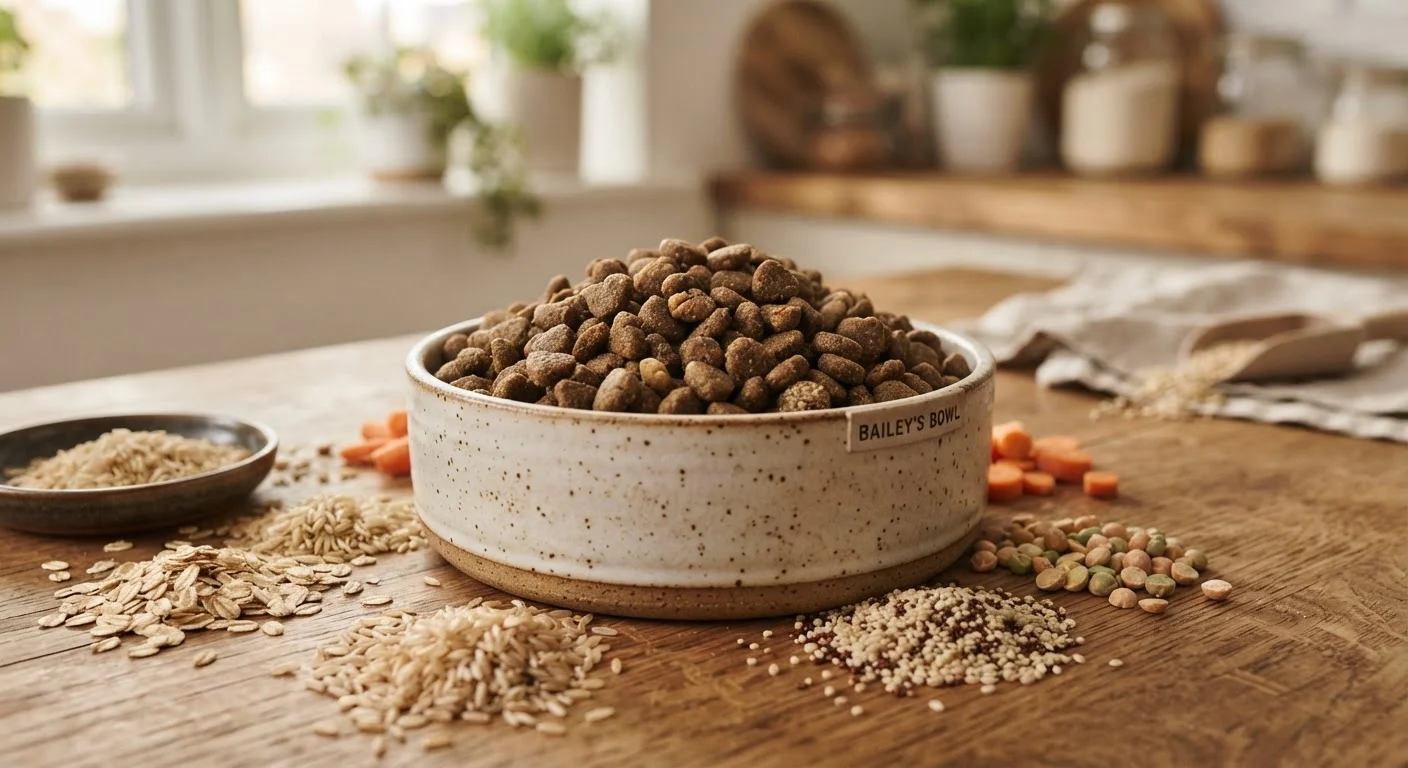
Photo credit: InsightsGrove.com | Discover Joy In Reading
In this article
Grain-free isn't always healthier, and carbs aren't always bad. Separating the evidence from the marketing on grain-free pet food.
Key Takeaways
- Grain-free does not automatically mean higher quality or more nutritious for most pets.
- The FDA investigated a possible link between grain-free diets and dilated cardiomyopathy in dogs.
- Cats and dogs can digest certain grains well - grains are not inherently harmful fillers.
- Price premium on grain-free foods does not reliably translate to better health outcomes.
- Always consult your veterinarian before changing your pet's diet based on marketing claims.
Why Grain-Free Marketing Is So Convincing
Walk down any pet food aisle and grain-free packaging practically leaps off the shelf. Words like "ancestral," "wild," and "protein-rich" tap into a broadly appealing idea: that removing grains brings a pet's diet closer to what nature intended. For budget-conscious owners trying to do right by their animals, that pitch is hard to ignore - especially when it sounds backed by logic.
The problem is that compelling marketing language is not the same as nutritional evidence. Understanding the actual science behind grain-free formulations helps owners make smarter choices - and potentially avoid spending more money on products that may not deliver the promised benefits. Our guide to reading pet food labels is a useful companion resource for cutting through label language.
Myth
Grain-free food is healthier for all dogs and cats because grains are just cheap fillers.
Fact
Grains like oats, barley, and brown rice provide digestible carbohydrates, fiber, and nutrients - they are not inherently inferior ingredients.
The "filler" label is a marketing construct, not a nutritional assessment. Whole grains can contribute B vitamins, fiber, and sustained energy to a pet's diet. Dogs, unlike strict carnivores, have evolved digestive enzymes - including amylase - that help them process starches. Many veterinary nutritionists consider quality grains a legitimate and beneficial part of a balanced canine diet.
Myth
Cats are obligate carnivores, so grain-free is the obvious choice for them.
Fact
While cats do require nutrients found primarily in animal tissue, small amounts of digestible carbohydrates are not harmful to most healthy cats.
Cats genuinely do need nutrients like taurine, arachidonic acid, and preformed vitamin A from animal sources - that part is accurate. However, this does not mean grains are toxic or damaging. The more important consideration for feline diets is adequate protein and moisture content, not grain elimination. A grain-containing food with high-quality protein can be nutritionally appropriate for most cats.
Myth
If my pet seems to have digestive issues, switching to grain-free will likely fix it.
Fact
Digestive upset in pets is more commonly caused by protein sources, abrupt food transitions, or underlying conditions - not grains.
True grain intolerance in pets is rare. Symptoms like itching, diarrhea, or gas are more frequently linked to specific proteins (such as chicken or beef), eating too fast, or gastrointestinal illness. Switching to a grain-free food without veterinary guidance may swap one problematic ingredient for another, delay a proper diagnosis, and cost more without resolving the root cause.
Myth
A higher price tag on grain-free food means it's nutritionally superior.
Fact
Cost does not reliably predict nutritional quality; what matters is whether the food meets established nutritional standards for your pet's life stage.
AAFCO nutritional profiles provide a baseline for evaluating whether any pet food - grain-inclusive or grain-free - meets minimum standards. A moderately priced food that meets these standards and suits your pet's individual needs can be just as appropriate as a premium grain-free alternative. Evaluating the guaranteed analysis and ingredient quality is a more useful exercise than comparing price points. Our label-reading guide walks through exactly how to do this.
Myth
Grain-free diets are based on what dogs' wild ancestors ate, so they must be more natural.
Fact
Domestic dogs have diverged significantly from wolves over thousands of years, including developing greater ability to digest starch.
Research published in scientific journals, including a widely cited 2013 study in Nature, identified genetic adaptations in domestic dogs related to starch digestion - adaptations not shared with wolves. The "ancestral diet" argument, while emotionally appealing, oversimplifies both wolf behavior and the evolutionary biology of domestic dogs. Modern companion animals have different metabolic realities than their wild relatives.
What the Research and Regulators Actually Say
In 2018, the U.S. Food and Drug Administration (FDA) opened an investigation into a potential association between grain-free diets - particularly those high in legumes like peas and lentils - and dilated cardiomyopathy (DCM), a serious heart condition, in dogs. The investigation did not conclusively establish causation, and research into the relationship is ongoing. However, the inquiry was significant enough that many veterinary cardiologists began advising caution, especially for breeds already predisposed to DCM.
FDA's Ongoing DCM Investigation
The FDA's investigation into a potential link between grain-free diets (especially those high in peas, lentils, and potatoes) and dilated cardiomyopathy in dogs has not concluded with definitive causation. However, many board-certified veterinary cardiologists recommend discussing diet with your vet if your dog is eating a legume-heavy grain-free food - particularly if they belong to a breed predisposed to heart disease. Do not wait for symptoms before having this conversation.
This does not mean every grain-free diet is dangerous, but it does underscore why evidence-based decision-making matters more than trend-following. If you're weighing unconventional feeding approaches more broadly, our overview of raw feeding evidence for dogs applies a similar critical lens.
77%
Pet owners influenced by "natural" label claims
A survey by the American Pet Products Association found that most pet owners cite "natural" or "holistic" labeling as a key purchase driver, despite these terms lacking strict regulatory definitions in pet food.
1-2%
Estimated prevalence of true food allergies in dogs
Veterinary dermatology literature generally estimates that genuine food allergies affect a small minority of dogs, and grain is a relatively uncommon trigger compared to animal proteins.
Reviewing ingredient quality and consulting your vet remains the most reliable path - far more so than following a label claim. For a broader framework on evaluating what goes into your pet's bowl, see reading pet food labels without getting confused.
Making a Genuinely Informed Choice
For most healthy dogs and cats, a complete-and-balanced diet meeting AAFCO nutritional standards is more important than whether it contains grains. Pets with genuine grain sensitivities or allergies do exist, but they are far less common than marketing suggests - and true food allergies in pets are more often linked to proteins like beef or chicken than to grains.
If you suspect your pet has a dietary sensitivity, a veterinarian-directed elimination diet - not a trip to the premium grain-free shelf - is the appropriate first step. Spending more on a trendy formula without a clinical reason doesn't benefit your pet and strains your budget unnecessarily.
Don't Switch Diets Without Veterinary Input
Abruptly changing your pet's food - even to a seemingly "healthier" option - can cause gastrointestinal upset. Any dietary transition should happen gradually over 7-10 days. More importantly, if you're changing your pet's diet in response to a health concern, a veterinarian should be involved in identifying the actual cause before you make any switch.
The best diet for your pet depends on their species, age, breed, health status, and individual needs. Those variables matter far more than a grain-free badge on the bag. For related nutrition context, see our article on human foods that are genuinely harmful to pets - a useful reference for any owner building better food habits.
This article is for general informational purposes only and does not constitute veterinary or dietary advice. Consult a licensed veterinarian before making changes to your pet's diet.

Author
Pets & Care Editorial Team
Pets & Care Editorial Team is the collective byline for our editorial team and contributor network. Articles published under this byline or an editorial pen name are researched, written, and reviewed according to our editorial standards for clarity, consistency, and independence before publication.
View all articles →