
Pet Paw Care: The Part of Grooming Most Owners Skip
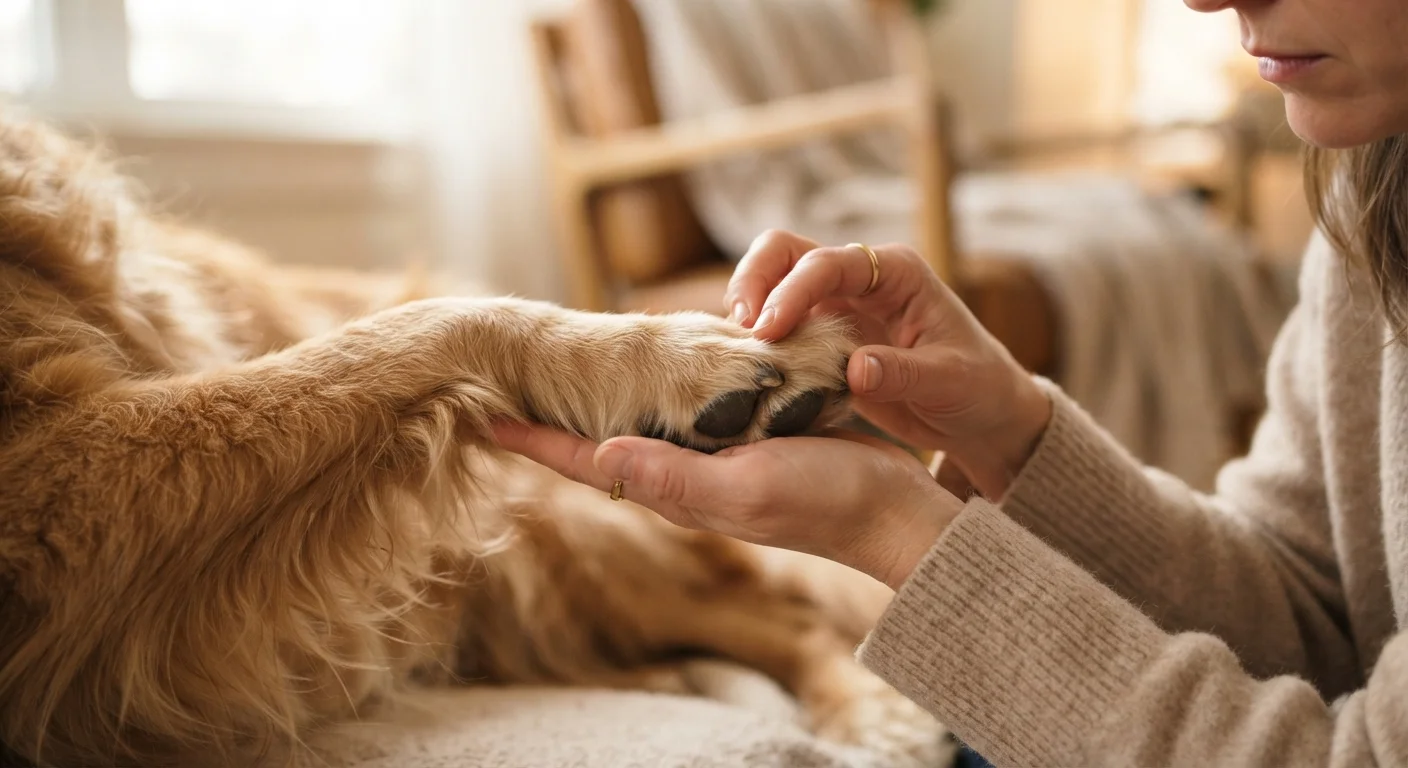
Photo credit: InsightsGrove.com | Discover Joy In Reading
In this article
Cracked pads, overgrown nails, and debris between toes are easy to miss. Here's how to make paw care a painless part of your routine.
Key Takeaways
- Paw pads, nails, and the spaces between toes all need regular attention to stay healthy.
- Overgrown nails can alter a pet's gait and cause joint strain over time.
- Cracked or dry pads are common in both hot and cold weather and are easy to address early.
- A simple weekly paw check takes minutes and can reduce the likelihood of vet visits.
- Positive reinforcement makes paw handling less stressful for both pet and owner.
Why Paw Care Gets Overlooked - And Why It Matters
Most grooming routines focus on coat, ears, and teeth - areas that are visible and easy to check. Paws sit out of sight until something goes wrong. By that point, an overgrown nail may have begun curling into the pad, a small cut may have become infected, or chronic dryness may have progressed to painful cracking.
The consequences are more than cosmetic. Nails that are too long change the way a dog distributes weight across their foot, which can create posture and joint issues over time. Debris lodged between toes can cause persistent irritation. And for budget-conscious owners, a minor infection that might have been spotted during a routine check can turn into a vet bill that a few minutes of weekly attention could have helped prevent.
As part of a broader preventive care routine, paw checks are one of the fastest habits to add and among the easiest to overlook. The case for consistent grooming extends well beyond appearance - it's a form of routine health monitoring.
Build Paw Tolerance Gradually
If your pet resists paw handling, start by briefly touching their feet during calm moments and rewarding with a treat - without any grooming tools present. Over several sessions, most pets become noticeably more comfortable. Consistency matters more than speed.
What You'll Need Before You Start
You don't need an elaborate kit to care for your pet's paws effectively. The basics cover most situations, and many items are one-time purchases that last for years. If you're working within a tight budget, prioritize clippers and a soft cleaning cloth first - balm and styptic powder can be added as needed.
What you will need
Guillotine or scissor-style nail clippers
Designed to cut pet nails cleanly without splintering.
Styptic powder
Quickly stops minor bleeding if the nail quick is nicked.
Pet-safe paw balm
Moisturizes dry or cracked pads to prevent worsening.
Small, blunt-tipped scissors or electric trimmer
Used to trim fur between and around the toes safely.
Soft cloth or pet wipes
Removes debris, salt, or chemicals from pads after walks.
Treats
Reinforces calm behavior throughout the session.
Step-by-Step Paw Care Routine
Follow these steps in order for a complete paw care session. For most pets, this full routine is needed once every one to two weeks - though cleaning after walks can be done daily. If your pet is new to paw handling, review the guidance in at-home grooming without the stress before beginning.
Choose the Right Moment
Attempt paw care when your pet is calm and relaxed - after a walk or a meal is often ideal. Avoid sessions when your pet is anxious, overstimulated, or already restless. Keeping initial sessions very short (two to three minutes) and building up gradually sets a positive pattern.
Inspect Each Paw Thoroughly
Hold the paw gently and examine the pads, the spaces between toes, and the nail length. Look for redness, swelling, cuts, cracked skin, debris such as gravel or burrs, or any unusual odor that might signal infection. Check all four paws, including the dewclaw if present - it's frequently overlooked.
Clean the Pads and Between the Toes
Wipe each paw with a damp cloth or pet-safe wipe, paying close attention to the grooves between toes where dirt, salt, and chemical residue (from treated sidewalks or roads) can accumulate. After winter walks in particular, cleaning paws before your pet licks them reduces exposure to de-icing products.
Trim the Nails
Hold the paw firmly but gently, and use pet nail clippers to remove just the tip of each nail - the curved, pointed end. Clip at roughly a 45-degree angle. If nails are very long, make multiple small cuts over several sessions rather than one large cut. Reward your pet between each nail if needed.
Trim Fur Between the Toes
For dogs and some cats with longer coats, fur between the toes can mat, collect debris, or cause slipping on smooth floors. Use blunt-tipped scissors or a quiet electric trimmer to trim this fur flush with the paw pad. Work slowly and keep your fingers between the blade and the skin.
Apply Paw Balm if Needed
If pads look dry, rough, or are beginning to crack, work a small amount of pet-safe paw balm into the surface of each pad. Avoid applying balm between the toes unless directed by a veterinarian, as excess moisture in that area can encourage bacterial or fungal growth. Let your pet rest quietly for a few minutes after application.
Avoid Cutting Into the Quick
The quick is the blood vessel running through each nail. Cutting into it causes pain and bleeding. If you're unsure where it is - especially on dark nails - trim only small amounts at a time, or ask your vet or groomer to demonstrate the technique first.
Seasonal Considerations and Red Flags
Paw care needs shift with the seasons. In summer, hot pavement can scorch pads quickly - the general guidance from veterinary sources is to test pavement with the back of your hand for seven seconds; if it's uncomfortable for you, it's likely too hot for your pet. In winter, road salt and de-icers are among the most common causes of pad irritation and cracking. Adjusting your routine by season is covered in more detail in our guide on seasonal pet care adjustments.
Regardless of season, certain signs always call for professional attention rather than home care.
When to See a Vet About Paws
Persistent limping, bleeding that doesn't stop quickly, deep cracks, swelling, discharge, or signs of pain when a paw is touched all warrant a veterinary visit. Do not attempt to treat wounds, embedded objects, or suspected infections at home. Early professional care is almost always less costly than delayed treatment.
For a broader overview of what new owners frequently miss, including nail trimming schedules and common grooming errors, see what new pet owners get wrong about grooming frequency.
This article provides general pet care information for educational purposes and is not a substitute for advice from a licensed veterinarian. If your pet shows signs of pain, infection, or injury, consult a vet promptly.

Author
Pets & Care Editorial Team
Pets & Care Editorial Team is the collective byline for our editorial team and contributor network. Articles published under this byline or an editorial pen name are researched, written, and reviewed according to our editorial standards for clarity, consistency, and independence before publication.
View all articles →