
Seasonal Pet Care: What Changes When the Weather Does
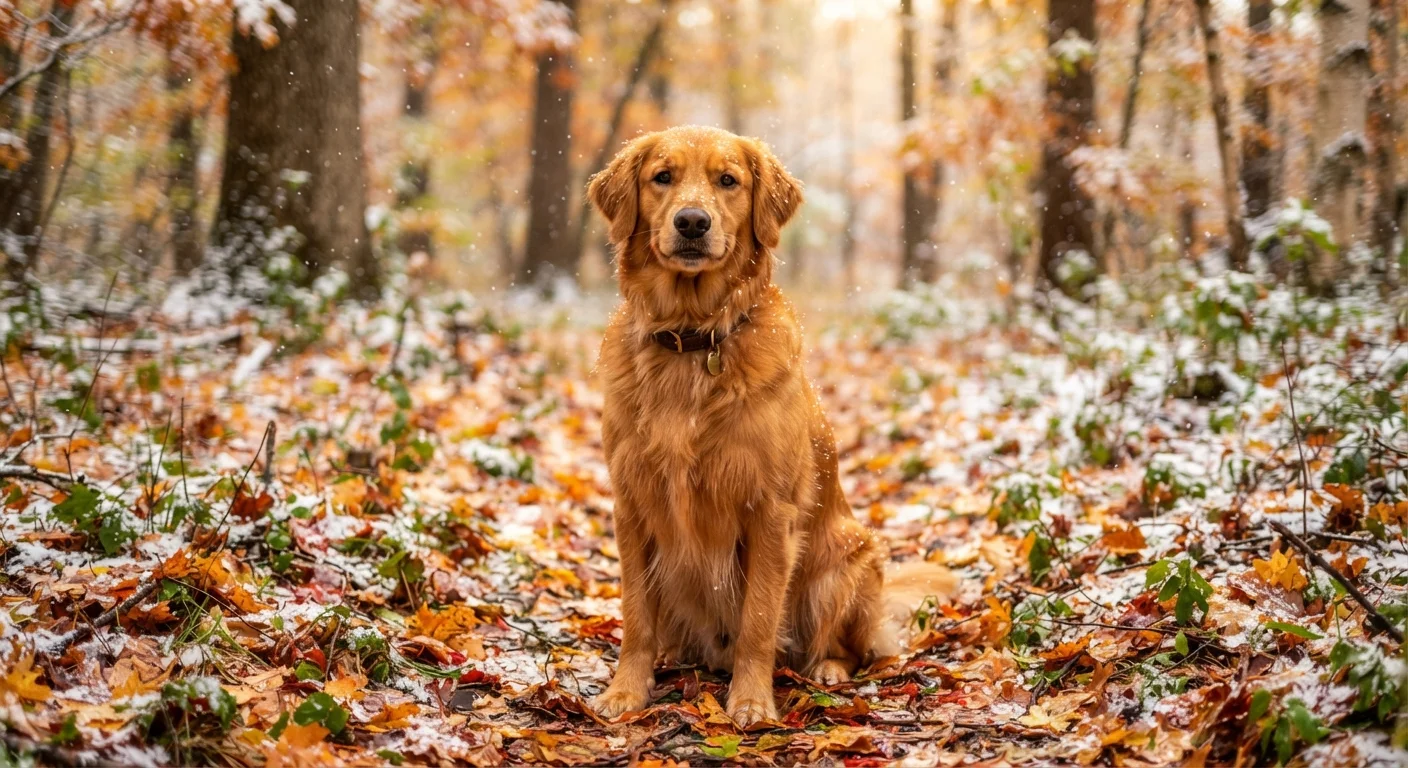
Photo credit: InsightsGrove.com | Discover Joy In Reading
In this article
From winter paw protection to summer heat safety, here's how to adjust your pet's care routine as the seasons shift.
Why Seasonal Adjustments Matter
Pets don't automatically adapt when the calendar changes. Their grooming needs, exercise tolerance, hydration requirements, and parasite exposure all shift with the temperature - and owners who adjust their routines accordingly tend to catch problems earlier and spend less at the vet. This reference guide covers the practical changes worth making across each season, organized by weather condition rather than by month, since climates vary widely across the US.
For a broader framework to monitor your pet year-round, the monthly pet health check guide walks through a structured at-home inspection you can build seasonal checks into.
| Dangerous heat threshold (pavement) | Above 77°F (25°C) pavement can burn paw pads (American Veterinary Medical Association general guidance) |
| Hypothermia risk temperature | Begins below 45°F (7°C) for small or short-coated breeds (General veterinary consensus) |
| Peak flea & tick season | Spring through early fall (March-November in most US regions) (CDC and AVMA general guidance) |
| Dehydration risk increase | Significantly higher in summer months for active dogs (General veterinary guidance) |
| Salt toxicity risk | Road de-icing salts can cause GI irritation if licked from paws (ASPCA Animal Poison Control guidance) |
Cold Weather: What to Watch and Adjust
When temperatures fall, the risks shift toward hypothermia, dry skin, cracked paw pads, and chemical hazards from road treatments. Here's what to adjust:
- Paw protection: Road de-icing salts and chemical melts can irritate skin and cause GI upset if licked. Rinse and dry paws after every outdoor walk. Consider a pet-safe paw balm to prevent cracking. For more detail, see our guide on paw care routines most owners skip.
- Coats and layers: Short-coated, small, and lean-bodied breeds lose heat quickly. A well-fitted dog coat can help - but it doesn't replace limiting exposure during extreme cold.
- Indoor hazards: Antifreeze drips in garages are extremely dangerous. Keep pets out of areas where vehicles are stored, and clean up any spills immediately.
- Shelter checks: If your pet spends any time outdoors, verify that their shelter is draft-free, elevated off cold ground, and sized to retain body heat.
Senior and Young Pets Need Extra Attention
Puppies, kittens, senior animals, and pets with chronic conditions are more vulnerable to temperature extremes at both ends of the scale. If your pet falls into one of these groups, consult your veterinarian before making significant changes to their exercise or outdoor routine. See our guide on how senior pet routines evolve for age-specific adjustments.
This article provides general educational information about pet care. It is not a substitute for professional veterinary advice. Always consult a licensed veterinarian for guidance specific to your pet's health needs.
Warm Weather: Heat, Hydration, and Parasites
Summer introduces a different set of risks - overheating, sunburn on exposed skin, and a surge in flea, tick, and mosquito activity. Key adjustments include:
- Exercise timing: Walk dogs in the early morning or after sunset when pavement temperatures are lower. Use the 7-second hand test on pavement before heading out.
- Hydration: Increase water access significantly. Pets that exercise outdoors in heat need more water than their baseline intake. Multiple fresh water stations help.
- Parasite prevention: Flea and tick activity peaks in spring through early fall. Talk to your vet about appropriate prevention options for your region and your pet's lifestyle. Tick checks after outdoor time are a no-cost habit that catches problems early.
- Grooming: Some double-coated breeds should not be shaved - their coats also insulate against heat. Consult your groomer or vet before making dramatic coat changes.
- Never leave pets in vehicles: Interior car temperatures can reach dangerous levels within minutes on a warm day, even with windows cracked.
45°F
Temperature below which small dogs may need a coat
Veterinary guidelines generally flag temperatures below 45°F as a cold stress risk for small, elderly, or short-coated breeds.
7 sec
Pavement heat test rule of thumb
If you cannot hold the back of your hand on pavement for 7 seconds, it is too hot for your pet's paws - a widely cited informal field test.
For foundational guidance on nutrition adjustments as activity levels change with the seasons, the Pet Nutrition hub covers balanced, budget-conscious feeding strategies.

Author
Pets & Care Editorial Team
Pets & Care Editorial Team is the collective byline for our editorial team and contributor network. Articles published under this byline or an editorial pen name are researched, written, and reviewed according to our editorial standards for clarity, consistency, and independence before publication.
View all articles →