
At-Home Pet Grooming Without the Stress
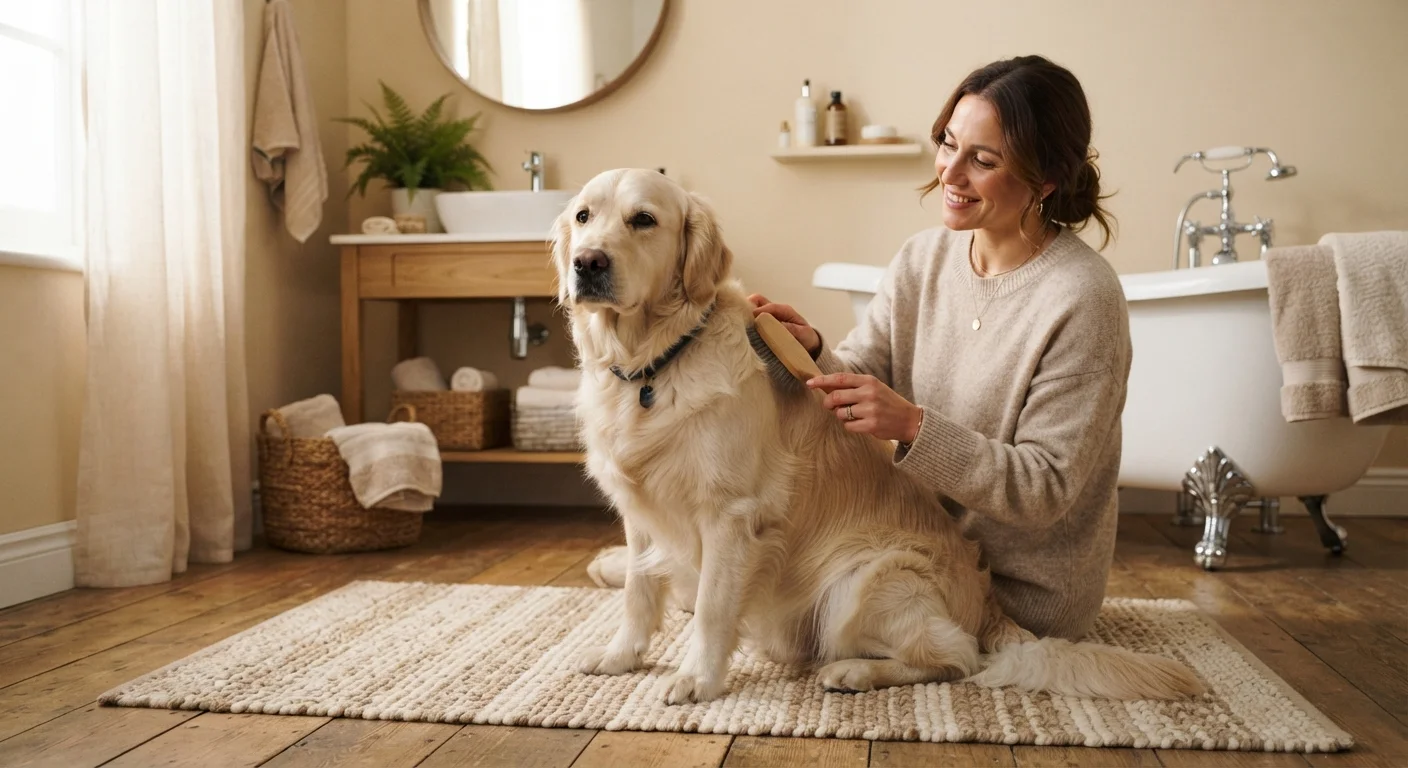
Photo credit: InsightsGrove.com | Discover Joy In Reading
In this article
A practical walkthrough for brushing, bathing, nail trimming, and ear cleaning your pet calmly and safely at home.
Key Takeaways
- A calm environment and short sessions make grooming less stressful for both pet and owner.
- Brushing, bathing, nail trimming, and ear cleaning can all be done safely at home with the right tools.
- Regular grooming is a low-cost way to catch skin, coat, and health changes before they escalate.
- Positive reinforcement - treats and praise - builds a pet's tolerance for grooming over time.
- Always stop a session if your pet shows signs of significant distress, and consult your vet when in doubt.
Why At-Home Grooming Is Worth the Effort
Professional grooming appointments add up quickly, and for many budget-conscious pet owners, spacing them out - or skipping them - becomes the default. The good news is that the core elements of a grooming routine are genuinely manageable at home. Regular brushing, occasional baths, nail trims, and ear checks don't require salon skills; they require consistency, patience, and the right basic tools.
Beyond cost savings, grooming at home gives you a structured opportunity to notice changes in your pet's coat, skin, and overall condition. Early detection of issues like skin irritation, parasites, or ear problems can mean simpler, less expensive treatment. See our at-home health check guide for a framework that pairs well with grooming sessions.
Start Young, But It's Never Too Late
Puppies and kittens introduced to grooming early tend to tolerate it better as adults, but older pets can absolutely learn to accept handling through patience and consistent positive reinforcement. Keep initial sessions to just two or three minutes, reward calm behavior immediately, and gradually increase duration as your pet grows comfortable.
If you're weighing how much to do yourself versus visiting a groomer, this comparison of DIY brushing and professional grooming can help you decide what actually suits your pet's coat type and your schedule.
What you will need
Tools You'll Need
Having the right tools on hand before you start prevents interruptions that can unsettle your pet. You don't need an extensive kit - a focused set of quality basics covers all the grooming tasks in this guide.
Slicker brush or grooming comb
Removes loose fur, detangles coat, and distributes natural skin oils during brushing sessions.
Pet-safe shampoo
Cleanses the coat without disrupting the skin's natural pH balance, which differs from that of humans.
Pet nail clippers
Trims overgrown nails safely to prevent discomfort, joint strain, and scratching injuries.
Styptic powder
Stops minor bleeding quickly if the nail quick is accidentally nicked during trimming.
Vet-approved ear cleaning solution
Loosens wax and debris in the ear canal for gentle removal without irritating sensitive tissue.
Non-slip bath mat
Gives your pet secure footing in the tub or sink, reducing anxiety during baths.
Handheld sprayer or pitcher
Allows controlled rinsing to keep water away from eyes and ears during bathing.
Step-by-Step Grooming Routine
Follow these steps in order for a complete grooming session. For shorter visits, focus on one task at a time - brushing alone is a valid session, especially for pets still building tolerance. If your goal is a low-cost, consistent pet care routine, even brief, regular grooming efforts contribute meaningfully over time.
Set up a calm, contained space
Choose a quiet room with minimal distractions. Place a non-slip mat on the floor or in the tub. Gather all tools before bringing your pet in - scrambling for supplies mid-session raises anxiety for both of you. Keep treats within easy reach and speak in a low, steady voice throughout.
Brush the coat thoroughly before bathing
Work through the coat section by section, brushing in the direction of hair growth. Pay close attention to areas prone to matting: behind the ears, under the legs, and around the collar. Removing tangles before bathing prevents them from tightening when wet. As you brush, scan the skin for redness, flakiness, or any unusual bumps - grooming is a natural health check opportunity. For more on what grooming reveals, see why consistent grooming does more than keep pets looking good.
Bathe with lukewarm water and pet-safe shampoo
Wet your pet's coat thoroughly, avoiding the face, ears, and eyes. Apply a small amount of pet-safe shampoo, lather from neck to tail, and massage gently into the coat. Rinse completely - residual shampoo can irritate skin. Use a damp cloth to wipe the face separately. Wrap your pet in a towel immediately after the bath and allow them to air-dry in a warm room, or use a pet dryer on the lowest heat setting.
Trim nails to a safe length
Hold the paw gently but firmly. Clip just the curved tip of each nail - small snips are safer than one large cut. In light-colored nails, you can often see the pink quick and avoid it. For dark nails, clip in very small increments and look for a small dark dot in the center of the cut surface, which signals you're close to the quick. For a deeper dive into paw-specific care, see pet paw care most owners skip.
Clean ears gently and only as needed
Healthy ears should look pale pink and have little to no odor. If cleaning is needed, apply a vet-approved ear cleaning solution to a cotton ball - never insert anything directly into the ear canal - and wipe only the visible inner ear flap. Stop immediately if your pet reacts with pain, or if you notice dark discharge, a strong odor, or redness, as these may indicate an infection requiring veterinary attention.
End with a reward and a brief check
Finish every session with praise and a treat, regardless of how smoothly it went. This positive association makes future sessions easier. Do a quick visual check of the coat, paws, eyes, and gums before your pet leaves the grooming area - you can combine this with the routine described in a monthly pet health check guide. Note anything unusual to discuss at your next vet visit.
Know When to Involve a Professional
At-home grooming is appropriate for routine maintenance, but some situations require a vet or certified groomer. If you notice unusual lumps, inflamed skin, discharge from ears, or cracked and bleeding paws, stop grooming and seek professional guidance. Never attempt to remove mats close to the skin with scissors, as cuts can happen quickly.
Nail Trimming Requires Care
Cutting too close to the quick - the blood vessel inside the nail - causes pain and bleeding. Keep styptic powder nearby before you start. If your pet has dark nails that make the quick hard to see, trim small amounts at a time or ask your vet to demonstrate the technique first.
Keeping It Consistent Over Time
The biggest factor in stress-free grooming isn't technique - it's frequency. Pets that are groomed regularly learn what to expect and become progressively calmer during sessions. Aim for brushing at least once a week for short-coated pets and two to three times weekly for longer coats. Baths can generally be monthly or as needed; nails typically need attention every three to four weeks depending on how quickly they grow and how much time your pet spends on hard surfaces.
For a broader view of everything grooming involves across the year, this season-by-season dog grooming guide offers helpful context. And if you'd like a deeper look at what consistent grooming actually does for your pet's health, the health benefits go well beyond appearance.
This article is for general informational purposes and does not constitute veterinary advice. Always consult a licensed veterinarian for guidance specific to your pet's health needs.

Author
Pets & Care Editorial Team
Pets & Care Editorial Team is the collective byline for our editorial team and contributor network. Articles published under this byline or an editorial pen name are researched, written, and reviewed according to our editorial standards for clarity, consistency, and independence before publication.
View all articles →