
Brushing vs. Professional Grooming: What Actually Suits Your Pet's Coat
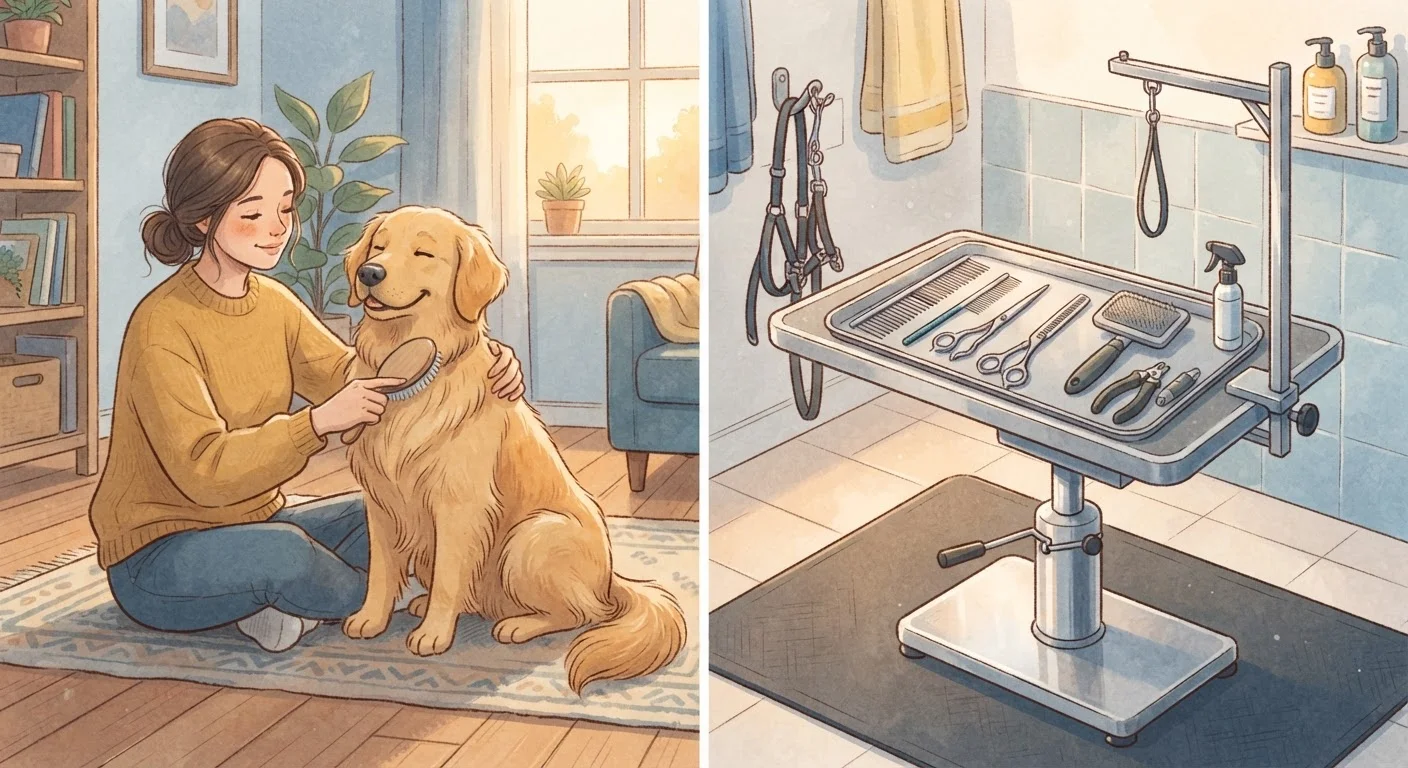
Photo credit: InsightsGrove.com | Discover Joy In Reading
In this article
Weigh the real differences between DIY brushing routines and professional grooming sessions to decide what fits your pet and budget.
Key Takeaways
- Your pet's coat type - not just preference - should drive how much professional grooming you schedule.
- Regular brushing at home prevents matting, reduces shedding, and helps you spot health issues early.
- Professional grooming offers tools and expertise that most owners cannot safely replicate at home.
- A combined approach - frequent brushing plus periodic professional sessions - often works best.
- Skipping coat maintenance of any kind can lead to skin problems and higher vet costs over time.
What Each Approach Actually Involves
DIY brushing means using combs, slicker brushes, or deshedding tools at home to remove loose fur, distribute natural oils, and check the coat's condition. It costs little after buying the right tool for your pet's coat type, and it can happen as often as daily. As we explore in why consistent grooming matters beyond appearance, these regular check-ins also help you notice early signs of skin irritation, lumps, or parasites.
Professional grooming is a paid session - typically every four to eight weeks for breeds that need it - performed by a trained groomer using specialized equipment. Services usually include bathing, blow-drying, coat trimming, ear cleaning, and nail clipping. Groomers handle coats that are matted, overgrown, or too dense for safe at-home management.
Neither approach is a complete substitute for the other. Understanding what each actually delivers helps you build a sensible routine.
| Criterion | DIY Brushing | Professional Grooming |
|---|---|---|
| Typical cost | Low (tool purchase, one-time) | Moderate to high (recurring sessions) |
| Frequency | Daily to weekly | Every 4-8 weeks (coat-dependent) |
| Skill required | Minimal; learnable quickly | Trained expertise needed |
| Best coat types | Short, smooth, low-maintenance | Curly, long, double, or dense coats |
| Matting removal | Light tangles only | Handles severe matting safely |
| Nail trimming / ear cleaning | Possible with training | Routinely included |
| Bond-building value | High - daily positive contact | Lower - handled by a third party |
| Health monitoring | Owner spots changes firsthand | Groomer may flag coat or skin issues |
How Coat Type Should Guide Your Decision
Coat type is the single most important factor when deciding how to allocate your grooming effort and budget. Short, smooth coats - common in Boxers, Dachshunds, or domestic shorthair cats - need only weekly brushing and very infrequent bathing. Professional grooming for these pets is largely optional.
Double-coated breeds like Golden Retrievers or Maine Coon cats shed heavily and benefit from a combination of frequent brushing at home and periodic professional de-shedding treatments. Curly or continuously growing coats, found in Poodles, Portuguese Water Dogs, and many designer mixes, require trimming every four to six weeks - a task that demands professional skill to avoid uneven cuts or skin nicks.
~80%
Of matting cases linked to infrequent brushing
Veterinary dermatology sources consistently note that most matting in long-coated breeds results from irregular home maintenance rather than coat type alone.
4-8 weeks
Recommended professional grooming interval for high-maintenance coats
Most professional groomers and breed-specific care guides recommend this range for curly or continuously growing coats to prevent overgrowth and matting.
5-10 min
Daily brushing time sufficient for most short-coated pets
Animal behavior and veterinary care organizations suggest brief, consistent sessions are more effective than infrequent lengthy ones for habituation and coat health.
For a clear breakdown of how often each task should happen for different coat types, see daily vs. weekly grooming tasks explained. Understanding your specific pet's needs prevents both overspending on unnecessary appointments and underinvesting in coat health.
Cost, Time, and What You Can Realistically Do at Home
A quality brush or deshedding tool is a one-time purchase that, used consistently, reduces shedding on furniture and floors - a secondary benefit for households managing pet hair. If you're also dealing with that challenge, choosing the right vacuum for pet hair is worth considering alongside your grooming decisions.
Professional grooming costs vary widely by region, coat complexity, and pet size - but it is a recurring expense. For budget-conscious owners, the practical approach is to use professional grooming strategically: for trimming, de-matting, and periodic deep cleans, while maintaining the coat weekly at home. This reduces appointment frequency without letting coat health decline.
Building a pet care routine on a tight budget offers practical strategies for keeping costs manageable without cutting corners on your pet's wellbeing. At-home grooming also improves your pet's comfort with being handled, which can make professional sessions shorter and less stressful - sometimes reducing their cost over time.
For practical guidance on brushing, bathing, and nail care you can safely do yourself, see at-home pet grooming without the stress.
When to Flag Coat Changes to Your Vet
Grooming - whether at home or professional - gives you a regular opportunity to notice changes in your pet's coat and skin. Dullness, excessive shedding, flaking, bald patches, or unusual odors can all indicate underlying health issues. Learn more in signs your pet's coat may signal a health issue. If you notice anything concerning, consult your veterinarian rather than attempting to treat it at home.
This article is for general informational purposes only. Always consult a veterinarian or qualified groomer if your pet has skin conditions, pain sensitivity, or coat problems that require professional assessment.

Author
Pets & Care Editorial Team
Pets & Care Editorial Team is the collective byline for our editorial team and contributor network. Articles published under this byline or an editorial pen name are researched, written, and reviewed according to our editorial standards for clarity, consistency, and independence before publication.
View all articles →