
Why Consistent Grooming Does More Than Keep Pets Looking Good
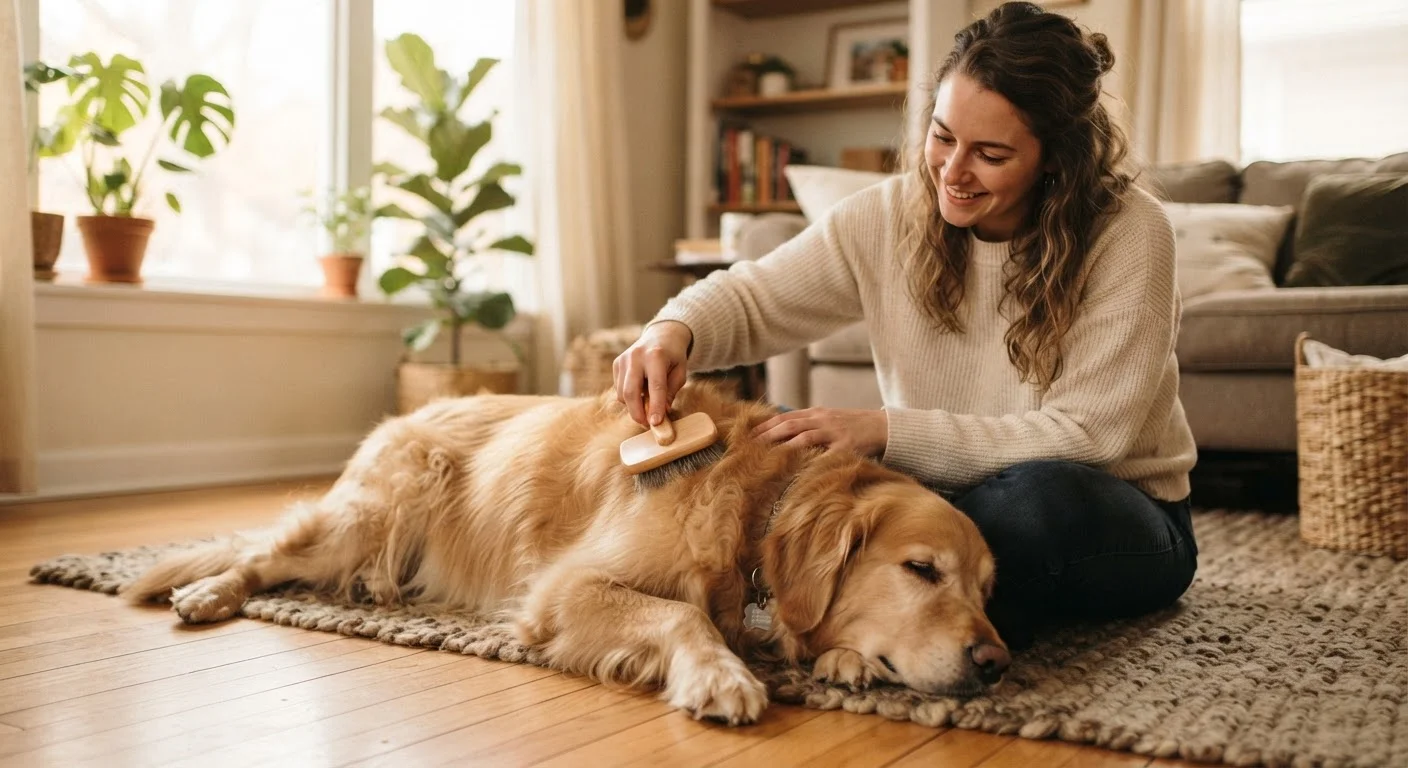
Photo credit: InsightsGrove.com | Discover Joy In Reading
In this article
Regular grooming isn't just cosmetic—it helps spot skin conditions, parasites, and lumps before they become serious problems.
Key Takeaways
- Regular grooming lets you detect lumps, parasites, and skin changes before they escalate.
- Early detection during grooming can reduce the cost and severity of veterinary treatment.
- Grooming consistently habituates pets to handling, lowering stress for both pet and vet.
- A predictable grooming routine strengthens the bond between owner and pet over time.
- Not all grooming tasks need equal frequency - knowing the difference saves time and effort.
Grooming Is a Health Checkpoint, Not Just a Beauty Ritual
Many pet owners think of grooming as something done when a coat gets matted or before a holiday photo. In reality, a consistent grooming routine functions as a structured, hands-on physical assessment - one that no special training is required to perform. Each session gives you uninterrupted time to run your hands along your pet's body, scan for anything unfamiliar, and notice changes that might otherwise go undetected for weeks.
The skin and coat are among the first places underlying health issues show up. Dullness, patchy shedding, flaking, and hot spots can all point to nutritional gaps, allergies, hormonal shifts, or infection. Because owners see their pets every day, gradual changes are easy to overlook - but a scheduled grooming session creates a deliberate pause to look closely. For a deeper look at what coat changes can signal, see what your pet's coat may be telling you.
This Is General Information, Not a Diagnosis
The guidance in this article is educational and applies to general pet care routines. It is not a substitute for professional veterinary assessment. If you notice any physical changes in your pet during grooming, consult a licensed veterinarian before drawing conclusions or attempting home treatment.
What You Can Detect During a Routine Groom
Owners who groom their pets consistently are often the first to notice lumps, ticks, ear infections, and cracked paw pads - all conditions where timing matters. A tick found and removed promptly carries far less risk than one that has been feeding for several days. A lump identified early is more likely to be benign and treatable than one discovered after months of unnoticed growth.
70%
Adult pets affected by periodontal disease by age 3
According to the American Veterinary Medical Association, dental and oral disease is among the most common conditions seen in adult pets - a problem that attentive oral grooming habits can help owners monitor.
Earlier
Stage at which owner-detected lumps are typically found
Veterinary oncology literature broadly supports that tumors identified by owners during physical contact - including grooming - are often caught at earlier, more treatable stages than those found incidentally.
During a typical grooming session, it is worth checking the following systematically:
- Skin surface: redness, flaking, sores, or unusual odor
- Coat texture: excessive shedding, matting, or thinning patches
- Ears: dark discharge, strong smell, or sensitivity to touch
- Eyes: cloudiness, asymmetry, or persistent discharge
- Paws and nails: cracking, swelling, or nails grown into the paw pad
- Body surface: any new bumps or areas of tenderness
If you notice anything that seems new or unusual, contact your veterinarian. Grooming gives you the data; your vet interprets it. This is general guidance only - it does not replace a professional examination.
The Financial Logic Behind Regular Grooming
Prevention is reliably less expensive than treatment. A minor ear infection caught early typically requires a short course of prescribed drops; left undetected, the same infection can progress to a deeper, more costly problem requiring sedation and specialist care. The same principle holds for dental hygiene, nail maintenance, and skin conditions.
Regular grooming also reduces the likelihood of emergency matting removal - a procedure that, when performed under sedation by a veterinarian, can be surprisingly expensive for breeds prone to severe tangles. Establishing a home routine means mats rarely reach that stage. For guidance on building that routine safely, the at-home grooming walkthrough covers brushing, bathing, nail trimming, and ear cleaning step by step.
Make Grooming Part of a Predictable Weekly Schedule
Scheduling grooming sessions on the same day each week helps both you and your pet settle into the habit. Pets often respond well to predictability, and a consistent schedule means you are less likely to skip sessions - preserving the health-monitoring benefits that make grooming genuinely useful.
How Grooming Strengthens the Pet-Owner Bond
Beyond physical health, there is a behavioral dimension to consistent grooming that is often underestimated. Pets that are regularly handled from a young age - or gradually desensitized to handling as adults - generally show lower stress responses during veterinary visits. A vet who can examine an ear or palpate a lymph node without the pet becoming distressed is able to do a more thorough job in less time.
From the owner's side, grooming sessions are also a form of focused, low-stimulation time together. Research in animal behavior consistently identifies positive physical contact as a contributor to trust-building between animals and their caregivers. Routine matters here: predictable routines reduce anxiety in pets and make behavioral changes - like sudden restlessness or reluctance to be touched - easier to spot against a stable baseline.
Building a Grooming Routine That Actually Sticks
Sustainability is the key variable. A grooming routine performed inconsistently offers fewer of the health-monitoring benefits described above, because changes in the coat or skin are easier to miss when comparisons are spaced far apart. Short, regular sessions are generally more effective - and more tolerable for the pet - than infrequent marathon grooming days.
Not every task needs the same frequency. Brushing may be daily for some breeds, weekly for others. Nail trims, ear checks, and baths follow their own cadences. The breakdown of daily versus weekly grooming tasks is a useful reference for structuring a schedule around your specific pet. And if you have a dog, the year-round dog grooming guide addresses seasonal coat and care changes in detail.
This article is for general informational purposes only and does not constitute veterinary advice. Always consult a licensed veterinarian with concerns about your pet's health.
Frequently Asked Questions

Author
Pets & Care Editorial Team
Pets & Care Editorial Team is the collective byline for our editorial team and contributor network. Articles published under this byline or an editorial pen name are researched, written, and reviewed according to our editorial standards for clarity, consistency, and independence before publication.
View all articles →