
Everything Involved in Keeping a Dog Clean, Healthy, and Well-Groomed Year-Round
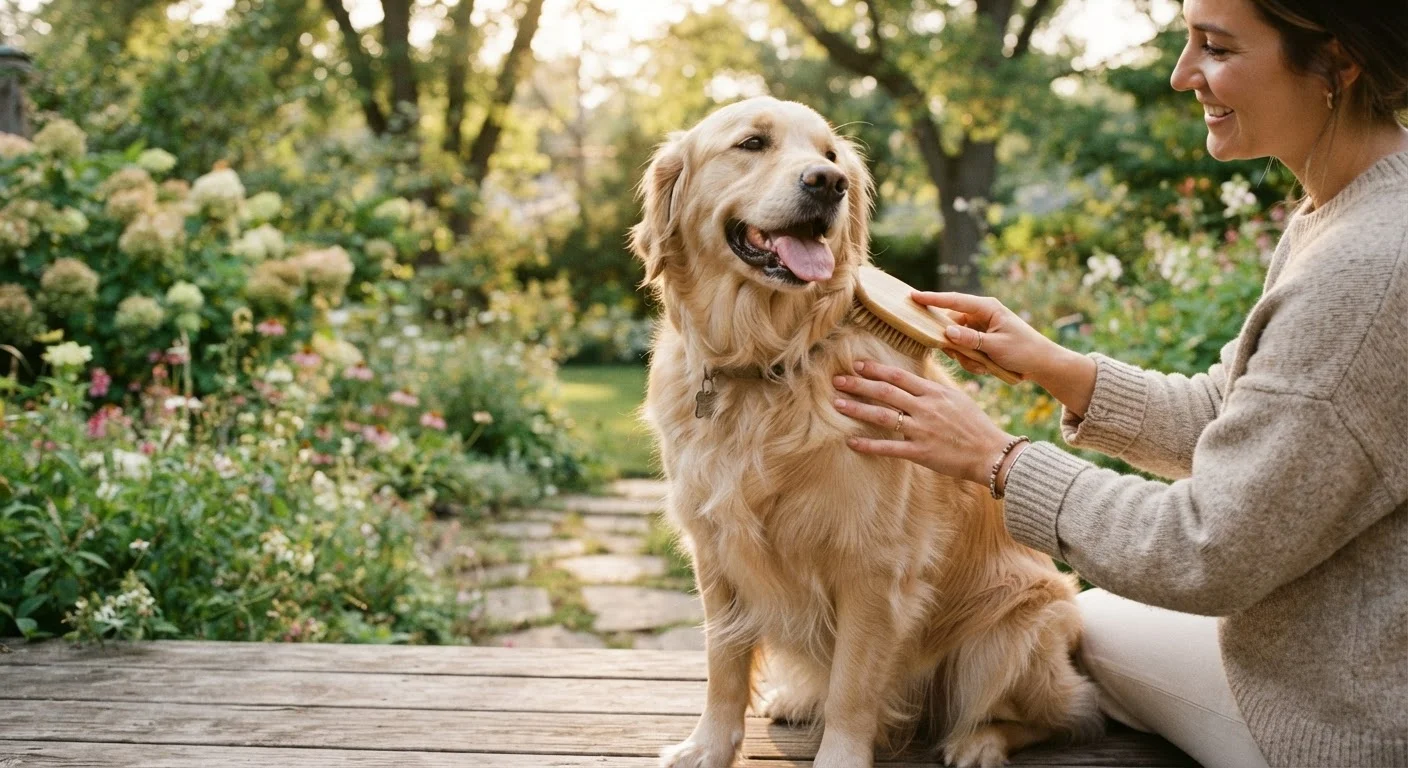
Photo credit: InsightsGrove.com | Discover Joy In Reading
In this article
A comprehensive, season-by-season guide to grooming, dental care, coat maintenance, and at-home health checks for dogs.
Key Takeaways
- Regular grooming prevents matting, skin infections, and painful nail overgrowth before they require costly treatment.
- Brushing frequency depends on coat type - double-coated breeds need more attention during seasonal shedding periods.
- Dental disease is among the most common preventable conditions in dogs; daily brushing significantly reduces risk.
- Monthly at-home health checks help you catch lumps, parasites, and weight changes between annual vet visits.
- Adjusting your routine each season protects your dog from weather-related skin and coat problems.
- Consistent grooming strengthens the bond between dog and owner and builds trust for handling and exams.
Why a Year-Round Grooming Routine Matters
Grooming is often treated as an occasional chore rather than a pillar of preventive care. In reality, a consistent routine does far more than keep your dog looking tidy. As the grooming and pet health connection shows, regular handling helps owners detect lumps, skin irritation, parasites, and coat changes that can be early indicators of underlying health issues.
For budget-conscious owners, the math is straightforward: a small investment in grooming tools and a weekly routine is far less expensive than treating an advanced skin infection, severe dental disease, or a mat so tight it requires sedation to remove. Beyond cost, grooming sessions build the kind of trust that makes vet visits, nail trims, and ear exams less stressful for both dog and owner.
80%
Dogs with dental disease by age 3
The American Veterinary Medical Association reports that the majority of dogs show signs of periodontal disease by their third year of life.
4-6 weeks
Recommended bathing interval for most dogs
Veterinary dermatologists generally suggest this window balances cleanliness with preservation of natural skin oils.
3-4 weeks
Typical nail trimming frequency
Most dogs require nail trims on this schedule to prevent overgrowth that can alter gait and cause joint stress over time.
Coat Care: Brushing, Bathing, and Seasonal Shedding
Brushing frequency is determined primarily by coat type, not by breed size. Short, smooth coats (like a Beagle's) generally need a weekly once-over with a rubber curry brush or bristle brush to remove loose hair and distribute skin oils. Double-coated breeds - Huskies, Labrador Retrievers, German Shepherds - benefit from brushing at least two to three times per week year-round, increasing to daily during the heavy spring and autumn shedding periods known as "blowing coat."
Long or silky coats (Maltese, Cocker Spaniels) mat quickly around the ears, armpits, and hindquarters and often require daily brushing or professional grooming every six to eight weeks. Working through a mat with a slicker brush before bathing prevents the mat from tightening further in water.
Brush Before You Bathe
Always brush your dog thoroughly before a bath to remove loose fur and work through any tangles. Wetting a matted coat tightens knots and makes them much harder to remove. A pre-bath brush session saves time and prevents unnecessary discomfort for your dog.
Bathing frequency depends on lifestyle and coat type. Most dogs do well with a bath every four to six weeks; over-bathing strips the skin's natural oils and can cause dryness and flaking. Use a dog-formulated shampoo, as human products have a different pH that can irritate canine skin. Rinse thoroughly - shampoo residue under the coat is a common but overlooked cause of skin irritation.
For a calm, step-by-step approach to at-home bathing and brushing, see our at-home grooming walkthrough.
Dental, Ear, Eye, and Nail Care
Dental care is arguably the most underperformed grooming task. Periodontal disease affects the majority of dogs by age three, according to the American Veterinary Medical Association, and it can progress to affect the heart, kidneys, and liver if bacteria enter the bloodstream. Daily brushing with a dog-safe enzymatic toothpaste is the gold standard. If daily isn't realistic, aim for at least three times per week. Dental chews and water additives can supplement but should not replace mechanical brushing.
Dental Disease Has Whole-Body Consequences
Untreated periodontal disease doesn't stay in the mouth. Bacteria from infected gum tissue can enter the bloodstream and have been associated with damage to the heart, kidneys, and liver in dogs. Professional dental cleanings under anesthesia may be needed for advanced cases - making routine at-home brushing one of the highest-value preventive habits you can establish. If your dog's gums bleed during brushing or you notice significant tartar buildup, schedule a veterinary dental exam.
Ear care: Dogs with floppy ears or those that swim frequently are prone to moisture buildup and ear infections. Check ears weekly for redness, odor, or dark discharge. Gently wipe the outer ear canal with a cotton ball moistened with a veterinarian-recommended ear cleaner. Never insert anything into the ear canal. If you notice head shaking, scratching, or a yeast-like smell, consult your vet before applying any product.
Eye care: Wipe away any discharge from the corners of the eyes with a damp cloth. Flat-faced (brachycephalic) breeds such as Bulldogs and Pugs are prone to tear staining and may need more frequent cleaning. Any sudden increase in discharge, cloudiness, or redness warrants a vet visit.
Nail care: Nails that click on hard floors are overdue for a trim. Overgrown nails alter a dog's gait and can cause joint pain over time. Most dogs need nails trimmed every three to four weeks. Use sharp, dog-specific clippers and trim small amounts at a time to avoid cutting the quick (the blood vessel inside the nail). If your dog has dark nails that make the quick hard to see, trim conservatively or ask a groomer or vet technician to demonstrate the technique. Check out the breakdown of daily vs. weekly grooming tasks for a practical scheduling reference.
Introduce nail trims gradually using counter-conditioning - pair each session with a high-value treat and stop before your dog becomes stressed. Short, frequent sessions build tolerance far more effectively than one lengthy struggle.
Dogs that associate nail trims with positive experiences are significantly easier to handle safely, reducing the risk of cutting the quick and preventing owner injury.
When checking for ticks after outdoor walks, use a fine-toothed comb to part the fur systematically rather than relying on a quick visual scan. Ticks are easiest to remove - and least likely to transmit disease - when found early.
Many tick-borne illnesses require the tick to be attached for several hours before transmission risk increases significantly, so prompt detection is the most practical preventive step.
At-Home Health Checks Every Owner Should Do
Monthly head-to-tail inspections let you track your dog's baseline so that changes become obvious early. Our monthly health check guide offers a structured checklist, but the core areas to assess are:
- Weight and body condition: You should be able to feel - but not prominently see - your dog's ribs. Unexplained weight loss or gain should be discussed with a vet.
- Skin and coat: Part the fur and look for redness, flaking, bald patches, or signs of fleas (tiny dark specks that dissolve red on a damp white cloth). See our year-round parasite prevention guide for seasonal risk context.
- Lumps and bumps: Run your hands along the body, noting any new growths. Most are benign, but any new lump should be logged and shown to your vet at the next visit - or sooner if it grows rapidly or changes in texture.
- Gums and teeth: Healthy gums are salmon pink and moist. Pale, yellow, or tacky gums can indicate illness and warrant prompt veterinary attention.
- Eyes and ears: Clear eyes with no significant discharge, and ears with no strong odor or redness, are signs of good health.
The weight, coat, eyes, and gums inspection routine covers each of these areas in greater detail.
Seasonal Grooming Adjustments
Dogs' grooming needs shift with the seasons, and adapting your routine prevents seasonal skin and coat problems.
Spring and summer: Heavy shedding peaks in spring for double-coated dogs. Increase brushing frequency to manage loose undercoat, which can trap heat and cause discomfort if matted. Check for ticks after outdoor time - particularly around ears, between toes, and under the collar. Avoid shaving double-coated breeds in summer; their undercoat insulates against heat and protects skin from sunburn. See the parasite prevention reference for context on seasonal flea and tick risk.
Autumn and winter: Some breeds develop a thicker coat in autumn. Dogs spending time in wet or muddy conditions need more frequent paw checks - wipe paws after walks to remove mud, salt, and de-icing chemicals, which can irritate the skin between the toes. In very dry winter climates, indoor heating can cause dry, flaky skin; maintaining regular brushing distributes natural oils and supports skin health. Short-coated and small breeds may benefit from a coat or sweater in cold weather, but ensure it's kept clean to prevent skin irritation underneath.
Building a Simple, Cost-Effective Routine
The key to a sustainable grooming routine is scheduling, not perfection. A practical weekly structure might look like this:
- Daily: Tooth brushing; quick visual check of eyes and coat.
- Weekly: Full brushing session; ear check; wipe facial folds if applicable.
- Monthly: Full head-to-tail health check; nail trim; bath (adjust as needed for lifestyle).
- Every 6-8 weeks: Professional grooming for breeds with continuously growing coats.
- Annually (minimum): Wellness exam with your vet. Our overview of what your dog's annual vet visit covers helps you arrive prepared and make the most of the appointment.
Starter grooming tools - a quality brush suited to your dog's coat type, nail clippers, and an enzymatic toothpaste - represent a manageable one-time investment that pays back in reduced professional grooming costs and earlier detection of health issues. For broader pet health fundamentals, the Pet Health Basics hub is a useful starting point.
Consistency matters more than any individual technique. Dogs that are handled calmly and regularly from an early age - or gradually desensitized if introduced as adults - become significantly easier to groom, examine, and treat. That cooperation alone reduces stress-related vet costs over a dog's lifetime.
This article provides general pet care information for educational purposes only. It is not a substitute for professional veterinary advice, diagnosis, or treatment. Always consult a licensed veterinarian for concerns about your dog's health.

Author
Pets & Care Editorial Team
Pets & Care Editorial Team is the collective byline for our editorial team and contributor network. Articles published under this byline or an editorial pen name are researched, written, and reviewed according to our editorial standards for clarity, consistency, and independence before publication.
View all articles →