
Why Cheap Shortcuts in Car Maintenance Often Cost More
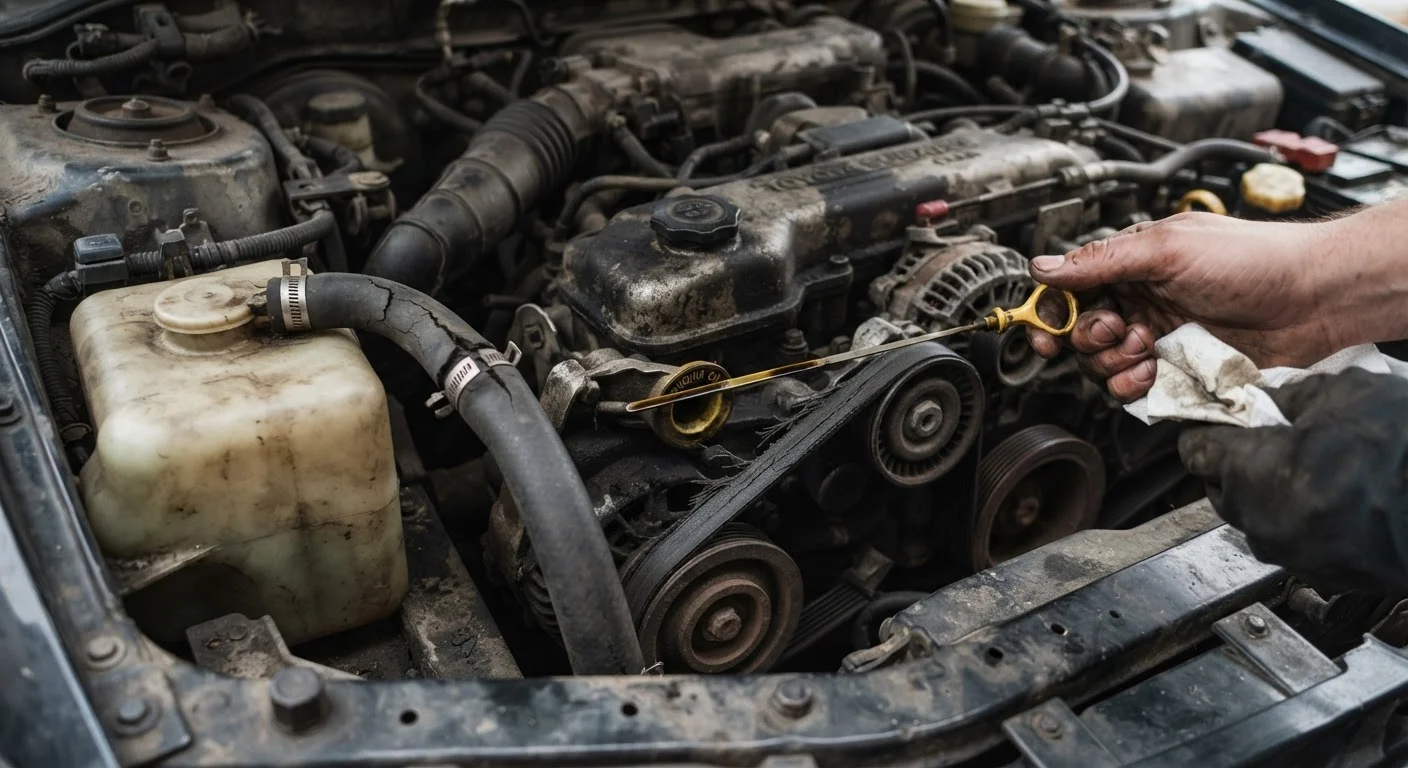
Photo credit: InsightsGrove.com | Discover Joy In Reading
Skipping coolant flushes, using the wrong oil grade, or ignoring a slow tyre leak—explore how common cost-cutting habits lead to larger repair bills.
Key Takeaways
- Using the wrong oil viscosity grade can accelerate engine wear and void powertrain warranties.
- Ignoring a slow tyre leak risks blowouts, uneven tread wear, and reduced fuel efficiency.
- Skipping coolant flushes allows corrosion to build up, eventually damaging the water pump and radiator.
- Delaying brake pad replacement turns a modest repair into a costly rotor or caliper replacement.
- Cheap shortcuts rarely save money long-term - preventive maintenance consistently costs less than reactive repair.
The Real Price of "Good Enough" Maintenance
Budget-conscious car owners face a constant temptation: stretch that oil change a few thousand extra miles, top off a slow tyre instead of finding the puncture, or grab the cheapest coolant on the shelf. Each decision feels like a small win in the moment. Over months and years, though, these shortcuts tend to compound into repair bills that dwarf whatever was saved upfront.
Understanding why these habits backfire - mechanically, not just financially - is what separates owners who spend less over time from those who don't. See also our broader look at car cost myths that keep young adults overpaying for more context on where money really goes.
Using the wrong engine oil viscosity or a cheaper unspecified grade to save a few dollars per quart.
Why it happens: Oil is oil - that's a common assumption. With so many grades on the shelf, owners often default to whatever is on sale or leftover from a previous vehicle.
Ignoring a slow tyre leak and repeatedly topping up pressure instead of finding and fixing the cause.
Why it happens: A slow leak feels manageable - the tyre holds air for days, so it doesn't seem urgent. Stopping at a petrol station to add air is free and takes two minutes.
Skipping or indefinitely postponing the coolant (antifreeze) flush because the engine "isn't overheating."
Why it happens: Coolant looks fine to the naked eye long after its protective additives have degraded. Without visible symptoms, it's easy to deprioritize.
Waiting until brake pads are completely worn before replacing them to "get the most out of them."
Why it happens: Brake pads feel expensive, and if braking performance still seems acceptable, owners delay. Some drivers also confuse the initial squeal warning indicator with normal noise.
Using a generic or incompatible transmission fluid to save money during a fluid service.
Why it happens: Transmission fluid isn't discussed as often as engine oil, so owners may assume any automatic transmission fluid (ATF) is interchangeable.
How Deferred Maintenance Compounds
Car systems don't fail in isolation. Coolant that hasn't been flushed on schedule becomes acidic, corroding the aluminium surfaces in your radiator and water pump. A single ignored tyre leak throws off wheel alignment over time, chewing through tread unevenly and forcing an early full set replacement. These are chain-reaction failures - each one triggered by a choice that seemed minor.
3-4×
Cost multiplier of reactive vs. preventive repair
Industry data from the Car Care Council consistently shows that neglected maintenance leads to repair costs several times higher than the original service would have cost.
~$1,200
Average annual preventable repair cost per vehicle
The Car Care Council estimates US drivers spend roughly $1,200 per year on repairs that routine maintenance could have prevented or significantly reduced.
The same principle applies across household ownership, which is why deferred home maintenance follows an identical pattern of compounding cost. In both contexts, acting early is almost always the cheaper path.
For a practical starting point, checking your own fluid levels at home is a straightforward skill that costs nothing and catches problems before they escalate. And if you want to understand which routine tasks deliver the clearest return, maintenance habits that pay for themselves lays out the numbers plainly.
DIY Has Limits - Know When to Stop
Checking fluid levels and tyre pressures are low-risk tasks most owners can safely handle. However, brake system work, coolant system repairs, and transmission servicing involve safety-critical components and pressurized systems. If you're uncertain about a procedure, have a qualified mechanic perform or verify the work. The cost of getting it wrong is always higher than the cost of professional labour.
Approaching car costs strategically - separating genuinely necessary spending from false economy - is a core part of cutting fixed costs without cutting corners that matter.

Author
Car Ownership Editorial Team
Car Ownership Editorial Team is the collective byline for our editorial team and contributor network. Articles published under this byline or an editorial pen name are researched, written, and reviewed according to our editorial standards for clarity, consistency, and independence before publication.
View all articles →