
The Real Cost of Owning a Used Car Beyond the Sticker Price
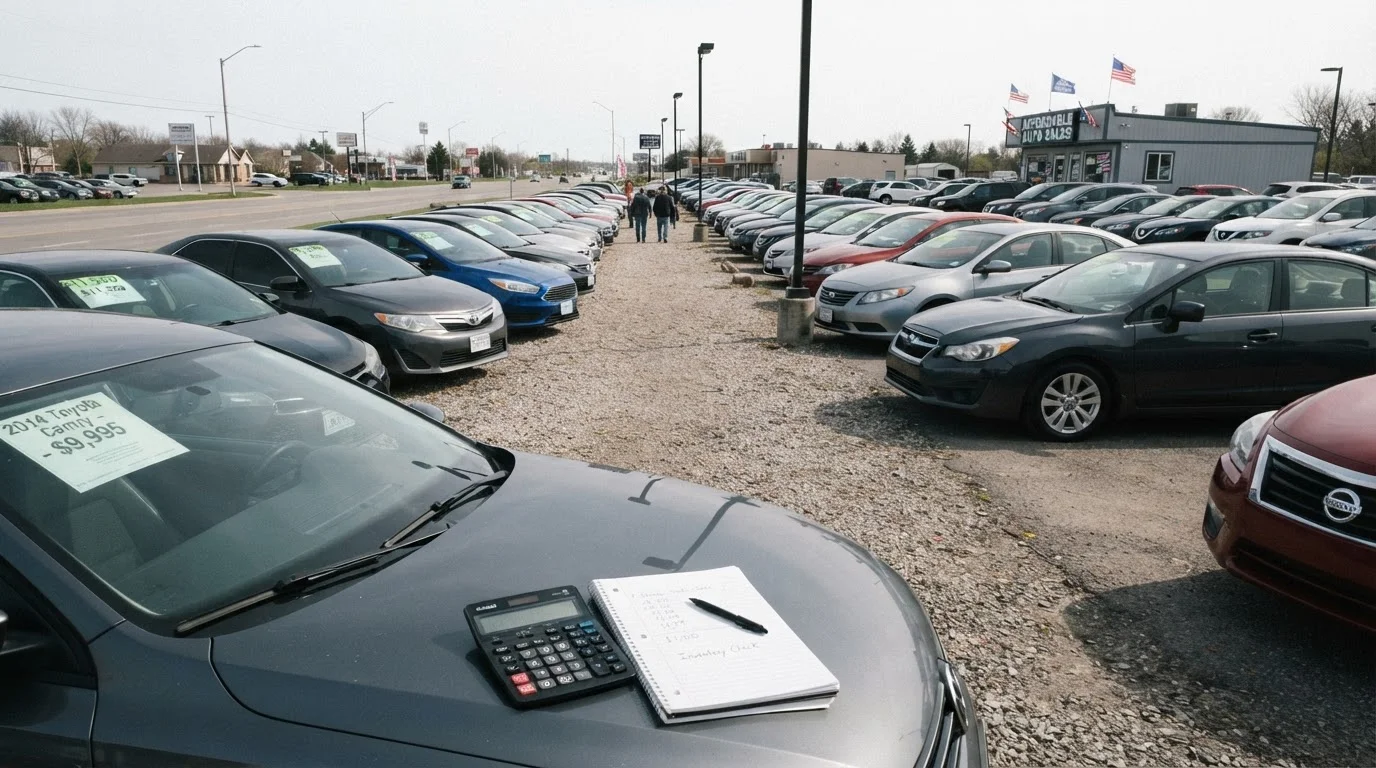
Photo credit: InsightsGrove.com | Discover Joy In Reading
In this article
Insurance, registration, fuel, servicing, and unexpected repairs all add up. Here's how to estimate total ownership costs before you buy.
Key Takeaways
- The purchase price of a used car is often less than half of what you'll spend during ownership.
- Insurance costs vary significantly based on the vehicle's age, trim level, safety ratings, and your driving history.
- Older used cars tend to have lower purchase prices but can carry higher repair and maintenance costs.
- Registration fees, emissions testing, and state taxes are predictable costs that are easy to research before buying.
- Building a repair reserve fund before you buy protects against the financial shock of unexpected breakdowns.
- Estimating total ownership costs upfront helps you compare vehicles honestly, not just by sticker price.
Why the Sticker Price Is the Wrong Starting Point
When first-time buyers shop for a used car, the purchase price dominates the decision. It's the number on the windshield, the figure in the listing, and often the ceiling of the budget. But the sticker price captures only the moment of purchase - not the months and years that follow.
Every used vehicle carries a set of recurring costs that begin the day you drive off the lot. Insurance premiums are due monthly. Registration must be renewed annually. Fuel costs accumulate with every mile. And maintenance - oil changes, tires, brakes, belts - follows the car's service schedule regardless of what you paid for it. For a deeper look at how these costs play out across all types of vehicles, see our full breakdown of car ownership costs.
Understanding total cost of ownership (TCO) before you sign anything is the single most valuable habit a first-time buyer can develop. It shifts the question from "Can I afford to buy this car?" to "Can I afford to own this car?" - which is the question that actually matters.
$10,000+
Average annual cost to own and operate a used vehicle
AAA's annual "Your Driving Costs" studies consistently show that total vehicle ownership costs - including depreciation, fuel, insurance, and maintenance - exceed purchase price alone by a wide margin each year.
~$150
Typical cost of a pre-purchase inspection
Independent mechanics generally charge $100-$200 for a pre-purchase inspection, a modest sum relative to the repair costs it can help buyers avoid on a vehicle with hidden problems.
35%
Share of used car buyers who report surprise repair costs in year one
Consumer surveys on used vehicle purchases consistently find that a significant share of buyers encounter unexpected repair expenses within the first 12 months of ownership.
The Recurring Costs That Add Up Fastest
Insurance is typically the largest ongoing cost after fuel. Premiums depend on your age, driving record, location, and the specific vehicle - including its safety ratings, repair costs, and theft frequency. A used sports car or luxury SUV may carry significantly higher premiums than a standard sedan of the same year. Get insurance quotes on any vehicle before you buy it, not after.
Fuel costs are directly tied to the vehicle's fuel economy rating and your annual mileage. A vehicle rated at 25 mpg will cost meaningfully less to fuel than one rated at 18 mpg, especially over several years. The EPA's fuel economy data is publicly available and a useful comparison tool.
Routine maintenance is non-negotiable. Oil changes, air filters, tire rotations, and brake inspections follow manufacturer-recommended intervals and are required to keep the vehicle running reliably. Skipping them tends to produce more expensive problems later. Our car maintenance hub covers what to expect and when.
Get Insurance Quotes Before You Make an Offer
Insurance premiums can vary by hundreds of dollars per year between vehicles of similar age and price. Because premiums depend on the specific make, model, trim, and your personal profile, the only way to know your actual cost is to request quotes using the vehicle's details before you commit to buying. This takes 15-20 minutes and can meaningfully change which vehicle looks like the better value.
Registration and taxes vary by state but are predictable. Most states publish their fee schedules publicly, so you can calculate annual registration costs for a specific vehicle before purchasing. Some states also impose personal property taxes on vehicles each year - worth checking if you're in one of those states.
Repair Risk: The Variable Cost That Catches Buyers Off Guard
Unlike insurance or fuel, repair costs don't follow a schedule - they arrive unexpectedly and can be substantial. This is where used car ownership carries genuine financial risk, particularly for vehicles with higher mileage or incomplete service records.
A pre-purchase inspection by an independent mechanic is one of the most cost-effective steps a buyer can take. For a modest fee, a qualified mechanic can identify existing issues, estimate upcoming maintenance needs, and flag potential failure points that aren't visible to an untrained eye.
It's also worth researching the reliability record of any vehicle you're considering. Some makes and models have well-documented repair patterns, and owner forums, reliability surveys, and mechanic communities often provide candid insight into what tends to fail and when.
Beyond inspections, building a repair reserve - a dedicated savings buffer - before you buy helps absorb the financial impact of unexpected breakdowns without derailing your budget. Even setting aside $50-$100 per month into a vehicle repair fund adds up meaningfully over time. For a broader view of costs that catch buyers off guard after purchase, see hidden costs that surface after you buy.
How to Estimate Total Ownership Costs Before You Commit
A practical TCO estimate doesn't require sophisticated tools - it requires gathering the right information before you negotiate. Here's the core framework:
- Purchase price and financing cost: If you're financing, calculate the total interest paid over the loan term, not just the monthly payment. Add that to the vehicle price.
- Annual insurance estimate: Get quotes from multiple insurers using the specific vehicle's details before you buy.
- Annual fuel cost: Multiply your expected annual mileage by the vehicle's fuel cost per mile (fuel price ÷ mpg).
- Routine maintenance: Research the manufacturer's recommended service schedule. Estimate annual costs based on local labor rates for each service item.
- Registration and fees: Check your state's DMV fee schedule for the vehicle's year and value.
- Repair reserve: Budget conservatively based on the vehicle's age, mileage, and reliability record.
Comparing two vehicles using this framework often produces a very different ranking than comparing sticker prices alone. It's also useful for evaluating alternatives - our article on owning versus leasing applies a similar total-cost lens to that decision.
If you're weighing standard used versus certified pre-owned, the CPO vs. standard used comparison can help you evaluate whether the warranty coverage justifies the price difference for your situation. And if you've encountered assumptions about used car costs that don't quite add up, it's worth checking them against common car cost myths that keep buyers overpaying.
This article is for general informational purposes only and does not constitute financial or legal advice. Costs, fees, and regulations vary by location and individual circumstances. Consult qualified professionals for guidance specific to your situation.
Frequently Asked Questions

Author
Car Ownership Editorial Team
Car Ownership Editorial Team is the collective byline for our editorial team and contributor network. Articles published under this byline or an editorial pen name are researched, written, and reviewed according to our editorial standards for clarity, consistency, and independence before publication.
View all articles →