
Certified Pre-Owned vs. Standard Used: Is the Premium Worth It?
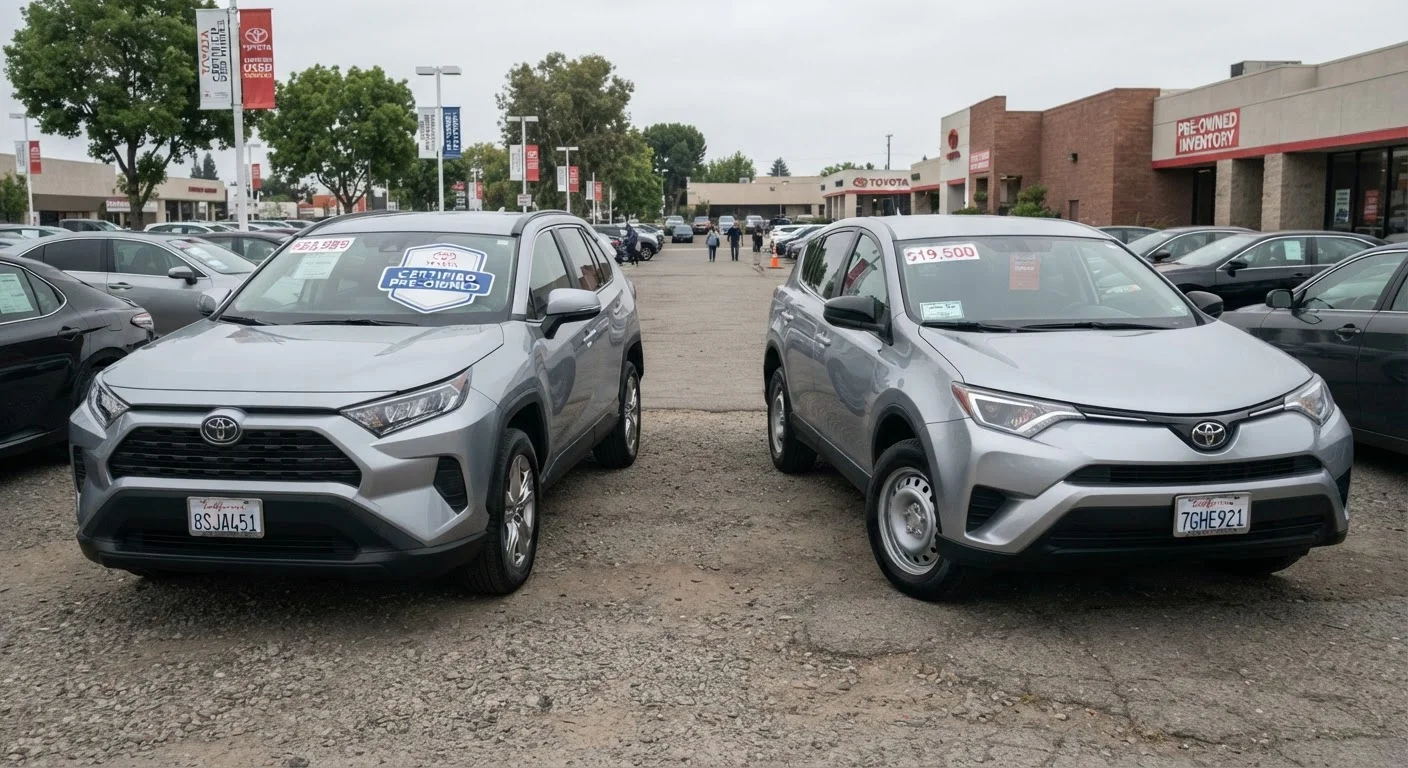
Photo credit: InsightsGrove.com | Discover Joy In Reading
In this article
CPO programmes offer extra checks and warranties, but at a higher price. Understand exactly what you get — and what you don't — with each option.
Key Takeaways
- CPO vehicles cost more upfront but include multi-point inspections and extended warranty coverage.
- Standard used cars offer more price flexibility but transfer more risk to the buyer.
- CPO programmes vary significantly by manufacturer - always read the specific terms before assuming coverage.
- A third-party pre-purchase inspection can reduce the risk gap between CPO and standard used cars.
- Neither option is universally better - the right choice depends on your budget, risk tolerance, and vehicle age.
What CPO and Standard Used Actually Mean
When a car is labelled Certified Pre-Owned (CPO), it means a manufacturer or dealership has put it through a formal multi-point inspection - typically 100 to 200+ checkpoints - and is offering an extended warranty on top of any remaining factory coverage. CPO programmes are run by the manufacturer (e.g., Honda, Toyota, Ford), and only franchise dealerships can certify vehicles under those programmes. Eligibility rules usually cap vehicle age at five to six years and mileage around 60,000 to 80,000 miles, though this varies by brand.
A standard used car is simply any pre-owned vehicle sold without that formal certification layer. It may come from a franchise dealership, an independent lot, or a private seller. It might have had zero inspection or a basic lot check - there's no standardised requirement. Before you buy either type, it helps to be fluent in the terminology involved. Understanding used car terminology will help you decode exactly what sellers are - and aren't - telling you.
Head-to-Head: What Each Option Delivers
The differences between CPO and standard used cars go beyond price. They affect warranty protection, inspection transparency, financing terms, and the negotiating dynamic between you and the seller.
| Criterion | Certified Pre-Owned | Standard Used |
|---|---|---|
| Upfront cost | Higher (premium of $1,000-$3,500+) | Lower, more negotiable |
| Inspection | Formal multi-point (100-200+ checks) | None required; varies widely |
| Warranty | Extended manufacturer warranty included | Sold as-is or limited dealer warranty |
| Vehicle age/mileage limits | Typically under 6 years / 80,000 miles | No restrictions |
| Financing rates | Often lower (manufacturer incentives) | Standard used-car rates |
| Negotiating room | Limited - price reflects certification | Greater flexibility |
| Transparency | Inspection report usually provided | Depends on seller; may need VIN check |
One nuance worth flagging: CPO programmes are not all created equal. A manufacturer CPO programme and a dealer-certified programme are different things - the latter may involve a less rigorous inspection and weaker warranty terms. Always ask to see the actual inspection checklist and warranty contract, not just a marketing summary.
The Real Cost Difference
CPO vehicles typically command a premium of $1,000 to $3,500 over comparable standard used vehicles, according to general industry estimates - though the spread can be wider for popular models or in high-demand markets. That gap represents what you're paying for the warranty and inspection backstop.
$1,000-$3,500
Typical CPO price premium over standard used
Based on general industry estimates; the actual gap varies by make, model, and local market conditions.
100-200+
Inspection checkpoints in manufacturer CPO programmes
The number of checkpoints and what they cover varies by manufacturer - always request the actual inspection checklist.
$100-$200
Typical cost of an independent pre-purchase inspection
A licensed independent mechanic inspection can surface issues that standard CPO checks may not cover.
Whether that premium is worth it depends on what the warranty actually covers. Most manufacturer CPO warranties include powertrain coverage (engine, transmission, drivetrain) and some add comprehensive bumper-to-bumper coverage for an initial term. Crucially, check whether the CPO warranty is transferable if you sell the car, and whether it requires servicing at dealerships to remain valid - conditions that affect long-term value. For a fuller picture of what ownership really costs beyond the sticker price, see the real cost of owning a used car.
Closing the Risk Gap on Standard Used Cars
The main concern with standard used cars is uncertainty - you don't know how the previous owner maintained the vehicle or what wear lies beneath the surface. But that uncertainty is manageable. Two steps do most of the heavy lifting:
- Pull a vehicle history report (using the VIN) to check for accident records, title issues, odometer discrepancies, and service records.
- Commission a pre-purchase inspection from an independent, licensed mechanic - not the selling dealership's service bay. This typically costs $100 to $200 and can surface issues a CPO inspection might not even check for. A structured pre-purchase inspection checklist covers what to ask your mechanic to verify.
Combining these two steps on a standard used car narrows the knowledge gap considerably - though it doesn't replicate the warranty protection CPO provides. If you're weighing where to buy your used car in the first place, channel matters too: private sellers, dealerships, and auctions each carry different risk and price profiles worth understanding before you decide.
Dealer-Certified vs. Manufacturer-Certified: Not the Same
Some dealerships market vehicles as 'certified' without being part of any official manufacturer CPO programme. These dealer-certified cars may carry only a basic lot inspection and a limited warranty from the dealership itself. Always ask whether the certification is backed by the manufacturer or solely by the dealership, and request written warranty terms before agreeing to pay a CPO premium.
This article is for general informational purposes only and does not constitute financial or legal advice. Consult a qualified professional for guidance specific to your situation.

Author
Car Ownership Editorial Team
Car Ownership Editorial Team is the collective byline for our editorial team and contributor network. Articles published under this byline or an editorial pen name are researched, written, and reviewed according to our editorial standards for clarity, consistency, and independence before publication.
View all articles →