
Pre-Purchase Inspection: What to Verify Before Any Used Car Changes Hands
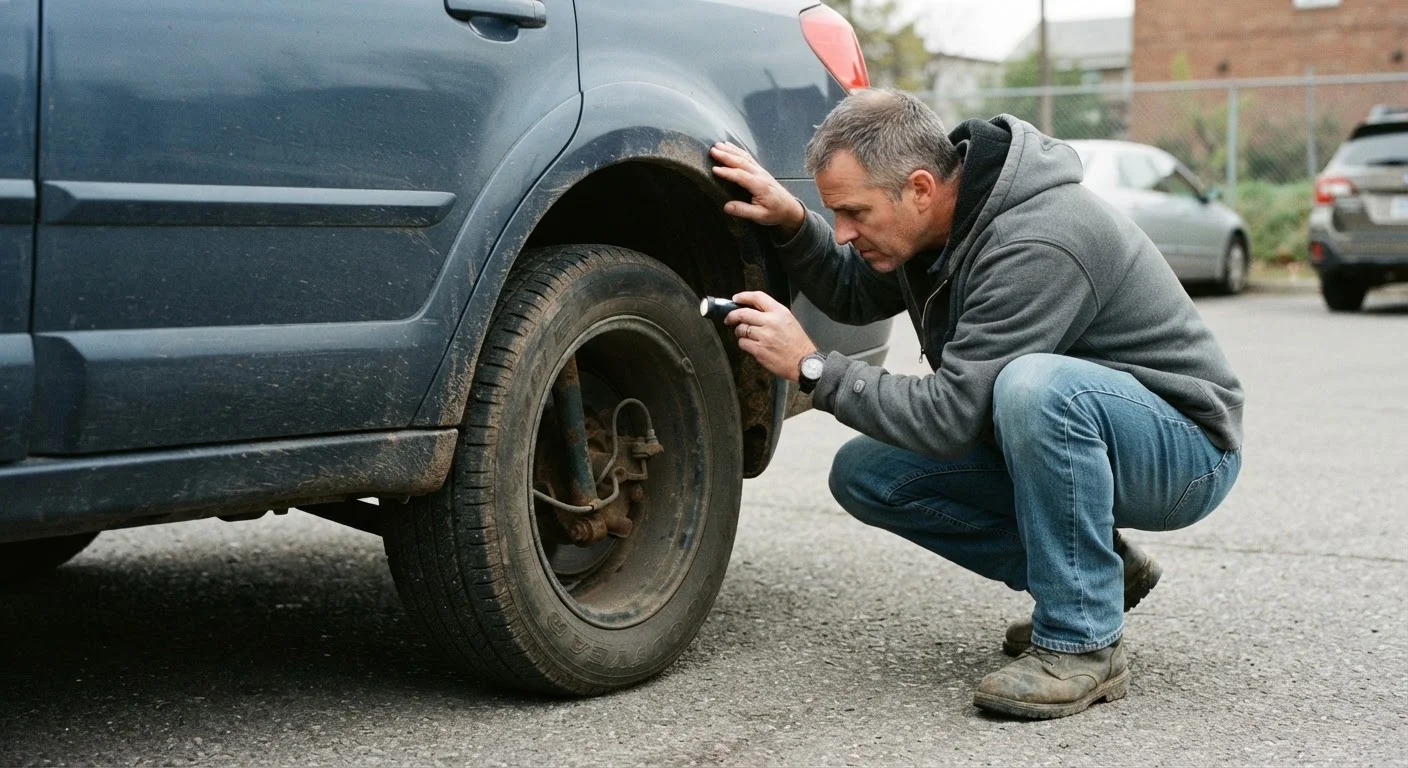
Photo credit: InsightsGrove.com | Discover Joy In Reading
In this article
A structured checklist covering bodywork, engine bay, tyres, electrics, and test-drive observations to complete before committing to a used vehicle.
Key Takeaways
- Run a vehicle history report before meeting any seller to screen for salvage titles and odometer fraud.
- Inspect bodywork in direct daylight - paint inconsistencies and panel gaps are nearly invisible indoors.
- A qualified mechanic's pre-purchase inspection typically costs $100-$200 and can save thousands.
- Test every electrical feature before handing over any money; repairs are often disproportionately expensive.
- Your senses during the test drive are a diagnostic tool - unusual smells, sounds, and pulls all mean something.
Why a Structured Inspection Protects Your Money
Buying a used car without a methodical inspection is one of the most common and costly mistakes first-time buyers make. Sellers are not always forthcoming about a vehicle's history, and listing photos are carefully curated. A structured, in-person assessment shifts the information balance back in your favour.
This checklist is designed to be used on-site, in sequence, before you commit to anything. It covers the five areas where hidden problems most frequently appear: the vehicle's documented history, exterior condition, mechanical health, electrical systems, and on-road behaviour. For a broader view of the purchase process, see the first-time buyer's complete roadmap - this checklist fits into the inspection stage of that process.
If any of the terminology below is unfamiliar, a quick review of used car terms every buyer should know will help you follow along with confidence.
Verify the Title Before Any Money Changes Hands
A car with a salvage, rebuilt, or flood title is a fundamentally different purchase than a clean-title vehicle. These designations affect insurance availability, financing eligibility, and resale value in ways that are rarely reversible. Confirm the title status through your state's DMV records and match the VIN on the title to the VIN plate on the dash and door jamb before signing anything.
What You Need Before You Start
Showing up prepared makes the difference between a thorough inspection and a rushed one. Bring everything below, plan to spend at least an hour on-site, and always inspect in daylight - artificial lighting hides paint defects, rust, and fluid stains that are plainly visible outdoors.
Vehicle History Report Service (e.g., Carfax or AutoCheck)
Reveals salvage history, odometer discrepancies, accident records, and open safety recalls before you meet the seller.
Tread Depth Gauge or Quarter/Penny
Measures remaining tyre tread on all four corners so you can estimate replacement cost and spot uneven wear patterns.
Flashlight or Phone Torch
Illuminates the engine bay, undercarriage, and interior corners where natural light doesn't reach.
OBD-II Diagnostic Scanner
Reads any stored or pending fault codes in the car's computer that the seller may have cleared before the visit.
Paint Thickness Gauge
Detects filler used in body repairs by measuring paint depth across panels - much harder to spot visually.
Independent Pre-Purchase Inspection (PPI) from a Mechanic
Provides a professional mechanical assessment covering items no visual check can surface, such as compression and undercarriage integrity.
Once you have run your own checks, arrange a professional pre-purchase inspection (PPI) with an independent mechanic before finalising any deal. This is true even for certified pre-owned vehicles, which carry manufacturer-backed checks but are not immune to undisclosed issues.
The Inspection Checklist
Work through each group below in order. Check off items as you go and note any concerns in writing - you'll want a record if issues become part of a price negotiation or if you decide to walk away.
Before You Arrive
Bodywork & Exterior
Under the Hood
Tyres, Wheels & Brakes
Interior & Electrics
Test Drive Observations
Never Skip a Mechanic's Inspection
A curbside visual check will catch many obvious issues, but it cannot replace a lift inspection or compression test. Budget $100-$200 for an independent pre-purchase inspection from a mechanic you choose - not one the seller recommends. A repair bill on a problem the PPI would have caught is rarely worth the saving.
Cleared Warning Lights Are a Red Flag
Some sellers clear dashboard warning codes shortly before a showing. If the car has very few miles since the last 'drive cycle' reset - visible on an OBD-II scanner - that's a signal the codes may have been recently erased. Treat any history of warning lights as a negotiating or walk-away point, not a minor detail.
Your senses during the test drive are a genuine diagnostic tool. For a deeper guide on interpreting what you hear, smell, and feel behind the wheel, see what to listen, smell, and feel for on a test drive.
Completing this checklist thoroughly supports the core principles that protect buyers across every price point - patience, independent verification, and written documentation. Those principles are explored further in approaching a used car purchase the right way.
This article provides general educational information for prospective used car buyers. It is not a substitute for a professional mechanical inspection by a qualified technician. Always verify vehicle history, title status, and condition with appropriate professionals before finalising any purchase.

Author
Car Ownership Editorial Team
Car Ownership Editorial Team is the collective byline for our editorial team and contributor network. Articles published under this byline or an editorial pen name are researched, written, and reviewed according to our editorial standards for clarity, consistency, and independence before publication.
View all articles →