
The First-Time Buyer's Complete Roadmap to Purchasing a Used Car
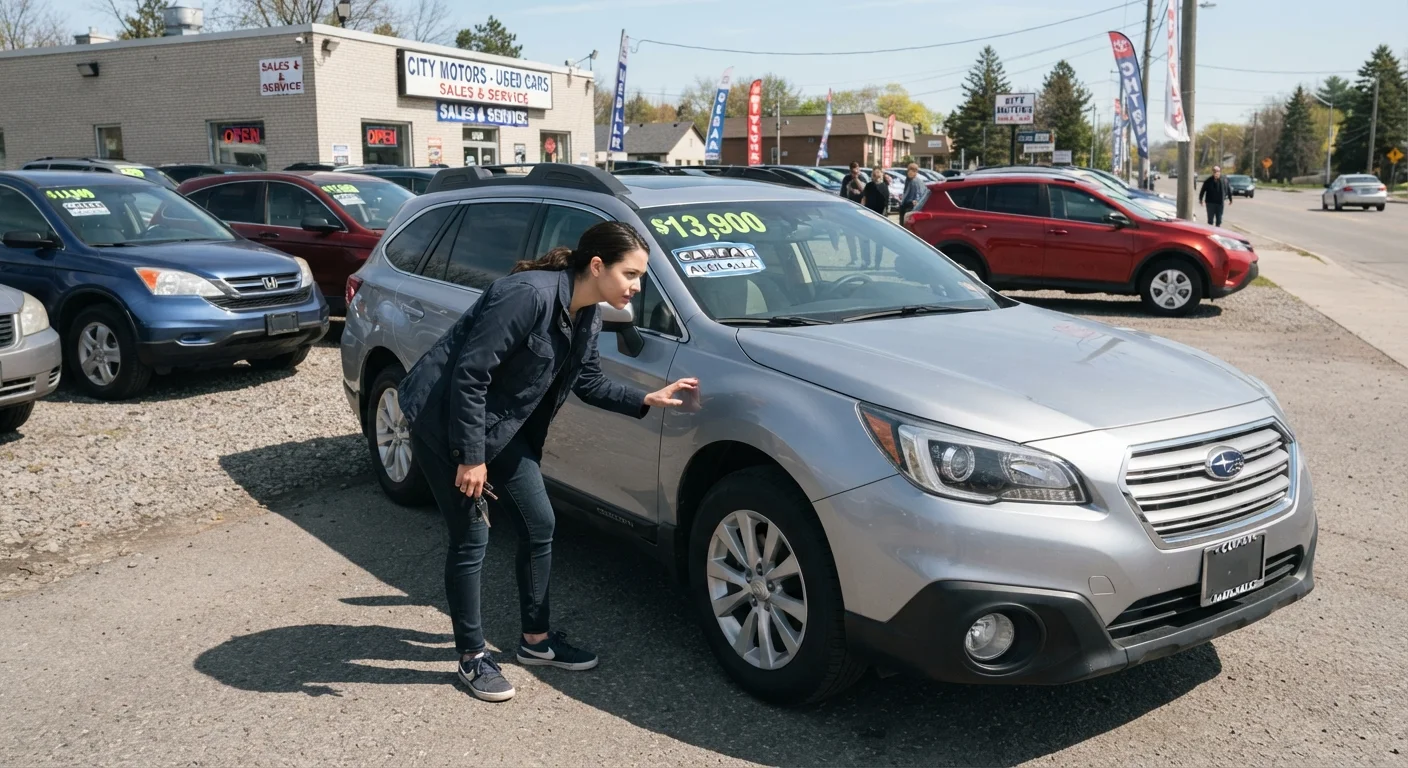
Photo credit: InsightsGrove.com | Discover Joy In Reading
In this article
From setting a budget to signing paperwork, this end-to-end guide walks first-time buyers through every stage of the used car process.
Key Takeaways
- Set a total ownership budget - not just a purchase price - before you start shopping.
- Always run a vehicle history report and get an independent pre-purchase inspection.
- Understanding used car jargon upfront helps you spot red flags and negotiate confidently.
- Paperwork errors are a leading cause of costly post-sale disputes - read everything before signing.
- Urgency tactics from sellers are a warning sign, not a reason to rush your decision.
Set a Realistic Budget Before You Search
The single most protective move a first-time buyer can make is establishing a firm budget before browsing listings. Purchase price is only part of the picture. Factor in sales tax, registration fees, insurance premiums, fuel costs, and an emergency maintenance reserve. A car that fits your price ceiling but not your monthly cash flow is a financial risk, not a deal.
A useful rule of thumb: total vehicle-related expenses - loan payment, insurance, fuel, and maintenance - should generally stay below 15-20% of your take-home pay. This is general guidance, not a guarantee; your own everyday budgeting picture will determine what's actually sustainable.
Get Pre-Approved Before You Shop
Contact your bank or a credit union to get pre-approved for an auto loan before visiting any seller or dealership. Pre-approval gives you a firm spending ceiling and a known interest rate, so you can evaluate total cost - not just sticker price. It also prevents dealers from steering you toward in-house financing that may carry a higher rate.
If you plan to finance, get pre-approved by a bank or credit union before visiting any seller. Pre-approval tells you your actual interest rate and sets a firm ceiling - it also removes the seller's ability to use financing as a negotiating lever.
Understand the Terminology
Walking into a used car purchase without knowing the language puts you at a disadvantage. Terms like clean title, salvage history, odometer disclosure, and as-is sale carry real legal and financial weight. A car sold "as-is" means the seller accepts no responsibility for defects discovered after the sale.
Before you contact a single seller, spend time with our used car terminology guide. It decodes the phrases you'll encounter in listings and on the lot, so you're not nodding along while missing something important.
Run the VIN through the National Highway Traffic Safety Administration (NHTSA) database before anything else - open recalls that haven't been repaired are the seller's liability but become your problem the moment you sign.
Open recalls can affect safety systems and may cost hundreds to repair. Many buyers don't know this check exists and skip it entirely.
When comparing prices, filter listings to within 100 miles and adjust for mileage - a car with 30,000 fewer miles than average for its year justifies a premium, but only up to a point.
Mileage-adjusted pricing is how dealers value trade-ins. Using the same methodology gives buyers a defensible number when making an offer.
Research the Right Vehicle for Your Needs
Once your budget is set, narrow your search by use case first, not brand preference. A compact sedan costs less to insure and fuel than an SUV. A vehicle with widely available parts is cheaper to maintain than one with a limited dealer network. These are the kinds of trade-offs that determine real ownership cost over three to five years.
Check reliability data from consumer-focused research organizations and owner forums for any model you're seriously considering. Pay attention to known problem areas - transmission issues, rust-prone body panels, timing chain costs - before you fall in love with a particular car. The principles behind this approach are covered in depth in our guide on approaching a used car purchase the right way.
~40%
Used car buyers who skip independent inspection
Industry consumer surveys consistently find a large share of private-sale buyers forgo a pre-purchase inspection, leaving them exposed to hidden repair costs.
$500-$2,000+
Typical hidden repair costs discovered post-sale
Estimates from independent repair shops suggest undisclosed mechanical issues often fall in this range when found shortly after purchase.
1 in 6
Used vehicles with unresolved open recalls
According to NHTSA data and consumer watchdog analyses, a significant portion of used vehicles on the market carry at least one open safety recall.
Inspect and Verify the Car's History
No used car purchase should move forward without two independent checks: a vehicle history report and a pre-purchase inspection (PPI) by a qualified mechanic of your choosing - not one recommended by the seller.
A vehicle history report (available through services that use the VIN) surfaces past accidents, flood or fire damage, title issues, odometer rollbacks, and open recalls. It won't catch everything - unreported incidents won't appear - but it's a necessary baseline. Budget roughly $25-$50 for a full report.
A PPI from an independent shop typically costs $100-$200 and is among the highest-return investments a buyer can make. A mechanic can identify worn brake components, oil leaks, frame damage, and deferred maintenance that a test drive won't reveal.
Never Skip the Pre-Purchase Inspection
A pre-purchase inspection by an independent, qualified mechanic is non-negotiable on any used vehicle purchase. Sellers - including dealers - may present a car as clean or recently serviced, but only a mechanic with the car on a lift can confirm the condition of brakes, suspension, seals, and frame. The $100-$200 cost is minor compared to the repair bills it can prevent.
Skipping the inspection is one of the most common patterns behind post-purchase regret. Our analysis of why buyers regret their used car purchase shows this is a recurring and avoidable mistake.
Negotiate and Close the Deal
By the time you make an offer, you should have the vehicle history report in hand, the PPI results reviewed, and a clear sense of fair market value based on comparable listings in your area. Any findings from the inspection become legitimate negotiating points - a needed repair is a documented reason to ask for a lower price.
Don't let urgency language pressure you. Phrases like "another buyer is interested" or "this price is only good today" are common sales tactics. A car worth buying today is worth buying tomorrow. For a full walkthrough of effective negotiating approaches, see our guide on negotiating a used car price without feeling out of your depth.
Don't Let Urgency Tactics Rush Your Decision
"Another buyer is coming this afternoon" and "this price expires today" are among the most common pressure tactics in used car sales. Legitimate sellers understand that a buyer doing due diligence is a serious buyer. If a seller refuses to allow an independent inspection or pushes hard for same-day decisions, treat that as a red flag and walk away.
Handle the Paperwork Correctly
Closing a used car transaction correctly is as important as finding the right car. At minimum, you should expect to review and sign a bill of sale, a title transfer document, and an odometer disclosure statement. In a private sale, the seller signs the title over to you directly. At a dealership, additional documents - including any financing agreement - will be part of the package.
Read every line before signing. Verify that the VIN on all documents matches the car. Confirm the sale price, any included warranties (or the absence of them), and that no dealer add-ons have been inserted without your agreement. Once you've signed, register the vehicle promptly with your state's DMV and secure insurance before driving it off the lot.
Applying smart shopping habits to a vehicle purchase - patience, verification, and written agreements - consistently protects buyers from costly mistakes.
This article is for general informational purposes only and does not constitute financial or legal advice. Consult a qualified professional for guidance specific to your situation.

Author
Car Ownership Editorial Team
Car Ownership Editorial Team is the collective byline for our editorial team and contributor network. Articles published under this byline or an editorial pen name are researched, written, and reviewed according to our editorial standards for clarity, consistency, and independence before publication.
View all articles →