
Approaching a Used Car Purchase the Right Way: Principles That Hold Across Any Budget
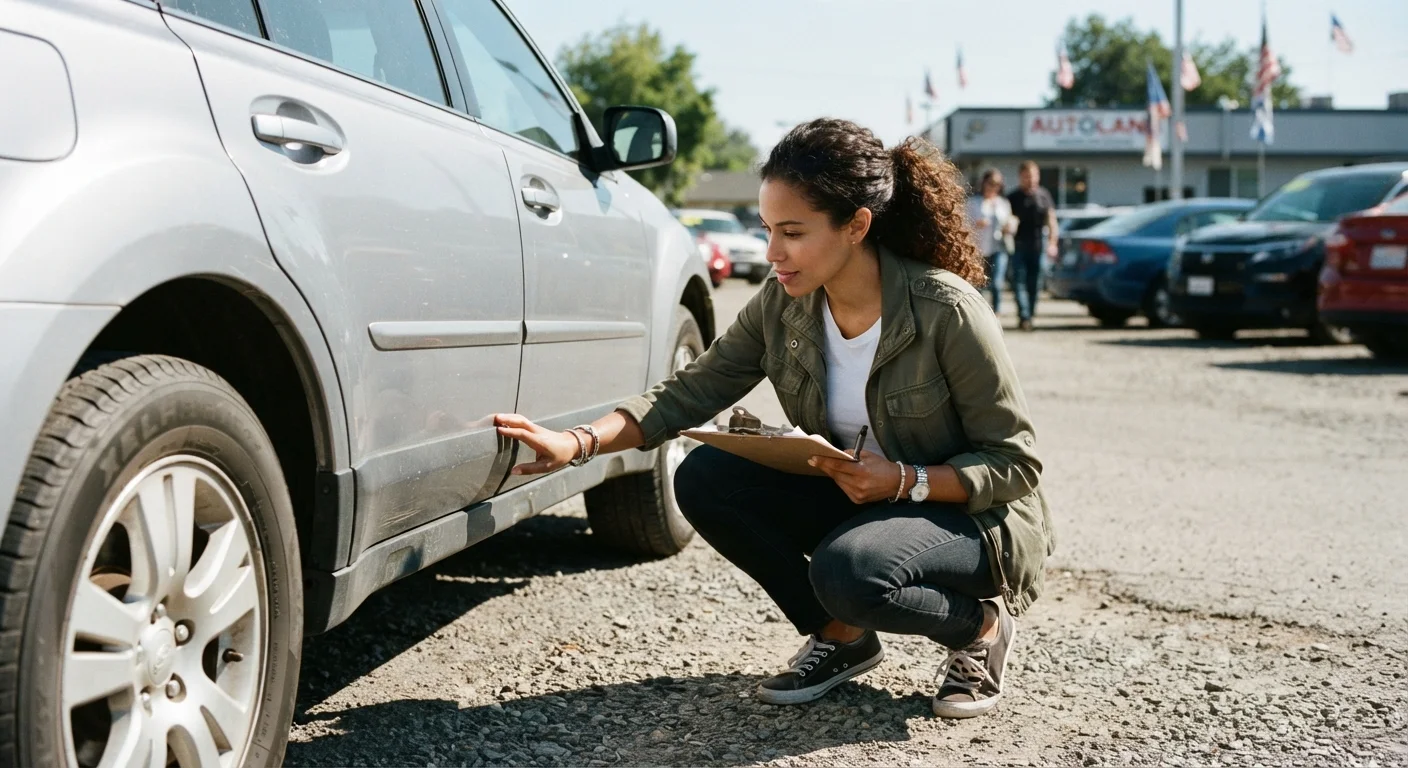
Photo credit: InsightsGrove.com | Discover Joy In Reading
In this article
Patience, independent inspection, written agreements, and verified history checks — the principles that consistently protect buyers regardless of what they spend.
Key Takeaways
- Always obtain a vehicle history report and an independent mechanical inspection before agreeing to any price.
- Setting a firm total-cost budget - not just a purchase price - prevents common post-sale financial stress.
- Pressure tactics and artificial urgency are reliable warning signs that a deal deserves extra scrutiny.
- Every agreed term should be in writing before you hand over any money or sign any document.
- Understanding the paperwork protects your legal ownership - never skip reviewing the title and bill of sale.
Start With a Budget That Reflects True Ownership Cost
First-time buyers often anchor their budget to a purchase price alone, then discover that insurance, registration fees, taxes, and near-term maintenance push the real first-year cost significantly higher. Before searching listings, calculate what you can comfortably spend each month on all vehicle-related expenses combined, then work backward to a purchase-price ceiling.
A useful starting point is to check what insurance will cost for the specific vehicle you're considering - not a general estimate. Rates vary considerably by make, model, age, and your own driving record. Similarly, factor in the cost of replacing consumables (tires, brake pads, filters) if the vehicle is approaching those intervals. See our guide to ongoing car costs and savings for a fuller breakdown of what to budget beyond the sticker.
$1,200+
Average first-year unexpected repair cost for used car buyers
Consumer surveys consistently show that buyers who skip pre-purchase inspections report significantly higher unplanned repair expenses in year one compared to those who completed one.
$100-$200
Typical cost of an independent pre-purchase inspection
Independent mechanics generally charge in this range for a thorough inspection, a cost that can prevent repair bills many times larger.
Verify History Before You Inspect - Then Inspect Anyway
A vehicle history report (available through services tied to the National Motor Vehicle Title Information System) can flag title problems, reported accidents, odometer inconsistencies, and lemon-law buybacks. Run one on any vehicle you're seriously considering using the VIN (Vehicle Identification Number), a 17-character code typically found on the dashboard or door jamb.
What a history report cannot tell you is the current mechanical condition of the vehicle. That requires a pre-purchase inspection (PPI) by a qualified, independent mechanic - not the seller's preferred shop. Expect to pay $100-$200 for a thorough PPI. It's one of the few costs in this process with a near-certain return: a single identified problem often saves multiples of that amount in avoided repairs.
History Reports Have Real Limits
A vehicle history report only reflects events that were officially reported - accidents that weren't filed through insurance, informal repairs, and private maintenance records won't appear. A clean report reduces risk but does not guarantee a problem-free vehicle. Always pair it with a hands-on mechanical inspection.
For a detailed walkthrough of the transaction from start to finish, see The First-Time Buyer's Complete Roadmap to Purchasing a Used Car.
Proven Practices That Protect Buyers at Every Price Point
The principles below apply whether you're spending $5,000 or $25,000. They reflect patterns seen consistently in post-purchase regret - the decisions buyers most often wish they had made differently. For more on those patterns, see Why Buyers Regret Their Used Car Purchase.
Always get an independent pre-purchase inspection, regardless of how clean the vehicle looks.
Cosmetic condition tells you very little about mechanical health. Hidden issues - worn transmission components, oil leaks, suspension problems - are invisible to an untrained eye and can cost thousands to fix. An independent mechanic has no stake in the sale.
Set your walk-away price before entering any negotiation and hold to it.
In-person negotiation creates social pressure that reliably causes buyers to spend more than intended. Deciding your ceiling in advance - and committing to leave if it's exceeded - removes that pressure from the moment itself.
Treat urgency language as a signal to slow down, not speed up.
Claims that 'another buyer is coming tomorrow' or that a price expires at the end of the day are among the most common pressure tactics used in private and dealer sales. Genuine sellers are rarely unwilling to give a serious buyer a reasonable window to complete due diligence.
Verify the seller's legal right to sell the vehicle before paying anything.
Buying from someone who doesn't hold clean title - or whose name doesn't match the title - can leave you without legal ownership and without recourse. Title fraud, though not the majority of transactions, does occur in private sales.
Compare the same vehicle across multiple channels before deciding where to buy.
Private sellers, franchised dealers, independent lots, and auctions each carry different price levels, protections, and risks. Understanding these trade-offs helps you evaluate whether a deal is genuinely fair for the channel you're in.
Negotiation, Paperwork, and the Final Step
Once an inspection clears a vehicle or surfaces issues you've negotiated into the price, the remaining work is financial and legal. Understand what you're financing before signing - how loan terms and interest rates affect your actual budget is general education every buyer should read. Separately, make sure you understand each document you sign. The key documents in a used car transaction explained covers the title, bill of sale, and odometer disclosure in plain language.
Finally, confirm that all agreed terms - price, included repairs, any warranty language - appear in writing before any money changes hands. Verbal agreements are difficult or impossible to enforce.

Author
Car Ownership Editorial Team
Car Ownership Editorial Team is the collective byline for our editorial team and contributor network. Articles published under this byline or an editorial pen name are researched, written, and reviewed according to our editorial standards for clarity, consistency, and independence before publication.
View all articles →