
The Hidden Costs That Surface After You Buy
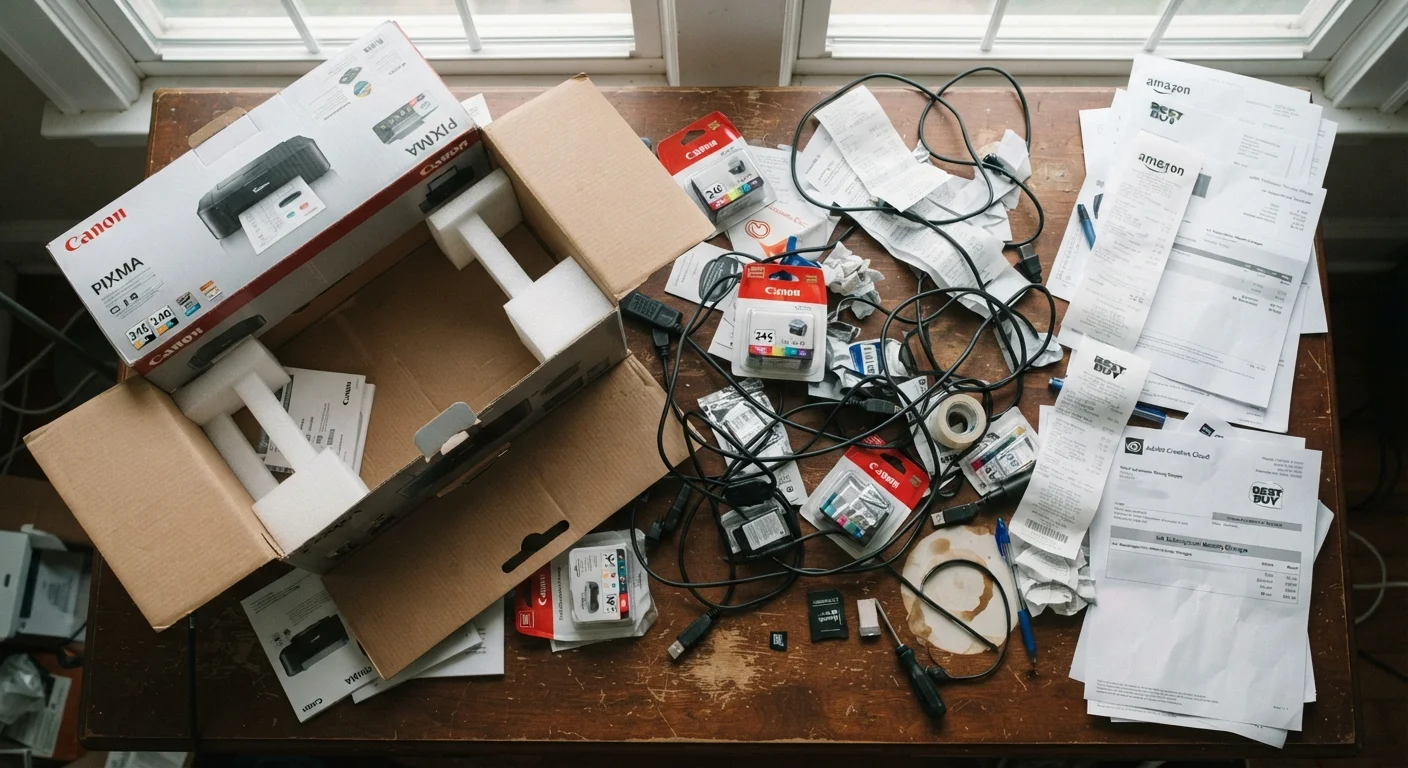
Photo credit: InsightsGrove.com | Discover Joy In Reading
In this article
Accessories, consumables, subscriptions, and repair parts can dwarf the original price. Know how to spot them before committing.
Key Takeaways
- The purchase price is often just a fraction of the true ownership cost over time.
- Proprietary consumables, mandatory accessories, and locked-in subscriptions are the most common post-purchase cost traps.
- Researching total cost of ownership before buying prevents regret and budget overruns.
- Repair parts availability and warranty terms significantly affect long-term value.
- Comparing ecosystems - not just devices - reveals the real financial commitment.
Why the Sticker Price Is Only the Beginning
A low purchase price feels like a win - until the follow-up costs arrive. Proprietary ink. A required subscription to unlock core features. A charging cable sold separately. Replacement filters every three months. Each individual cost seems minor, but together they can easily exceed what you paid upfront within a year or two.
This isn't accidental. Many product categories are deliberately priced low at the point of sale, with the real margin recouped through consumables, accessories, and services you'll need to keep the thing functional. Understanding this model - sometimes called a "razor and blades" structure - is one of the most practical skills in smart shopping.
The mistakes below represent the most common ways buyers get caught out, and what to do differently.
Ignoring proprietary consumables when comparing prices across products.
Why it happens: Buyers focus on the unit price shown at checkout and don't think to look up what replacement ink, filters, pods, or cartridges cost until they run out.
Overlooking mandatory subscriptions that unlock basic functionality.
Why it happens: Product listings often emphasize hardware features without clearly disclosing that certain capabilities - cloud storage, full app access, smart home integrations - require a paid plan.
Assuming required accessories are included when they're sold separately.
Why it happens: Marketing images and demo videos typically show the complete setup, creating the impression that cables, mounts, cases, or adapters come in the box.
Failing to verify repair part availability and servicing costs.
Why it happens: Most buyers assume that if something breaks, it can be fixed at a reasonable cost. For some product categories, however, parts are proprietary, labor is specialized, or the manufacturer discourages repair entirely.
Evaluating a device without considering the ecosystem it locks you into.
Why it happens: Buyers compare individual products rather than the full platform - accessories, compatible software, and future upgrade paths - that the device requires or strongly incentivizes.
How to Calculate True Ownership Cost Before You Commit
Once you've spotted the potential traps, the next step is putting actual numbers to them. A simple ownership cost estimate looks like this: take the purchase price, then add up 12-24 months of expected consumables, any subscriptions required for full functionality, and one realistic repair or replacement scenario.
2-4×
Lifetime consumable cost vs. device purchase price
Consumer research has repeatedly found that consumables such as ink, filters, and pods cost two to four times the original device price over a typical product lifespan.
~$300
Average annual subscription spend per U.S. household
Surveys by personal finance research firms suggest U.S. households spend roughly $300 or more annually on digital subscriptions, often underestimating their total by a wide margin.
For vehicles, this exercise becomes especially important. Fuel, insurance, registration, and servicing costs routinely dwarf the financing payment - a reality covered in detail in total used car ownership costs. The same logic applies to appliances, electronics, and even software tools.
Subscriptions deserve particular attention. Many products now require ongoing payments to access features that were once included outright. Recurring financial commitments are among the hardest to exit, so it's worth knowing exactly what you're signing up for before the first payment clears. And if you're already wondering where your monthly budget goes, auditing your existing subscriptions and fees is a useful parallel exercise.
Free Trials Often Convert Automatically
Many products include a free trial for a premium subscription tier. If you don't cancel before the trial ends, you'll be billed - sometimes at a rate higher than the promotional price shown during signup. Note the cancellation deadline immediately and set a calendar reminder before you use the product for the first time.
Return policies offer a partial safety net, but they have limits - restocking fees, short windows, and opened-box restrictions can all reduce your options. See what to check in a return policy before buying for a full breakdown. The cleaner move is to identify hidden costs before you buy, not after.

Author
Savvy Shopping Editorial Team
Savvy Shopping Editorial Team is the collective byline for our editorial team and contributor network. Articles published under this byline or an editorial pen name are researched, written, and reviewed according to our editorial standards for clarity, consistency, and independence before publication.
View all articles →