
The Real Cost of Owning a Car (Beyond the Sticker Price)
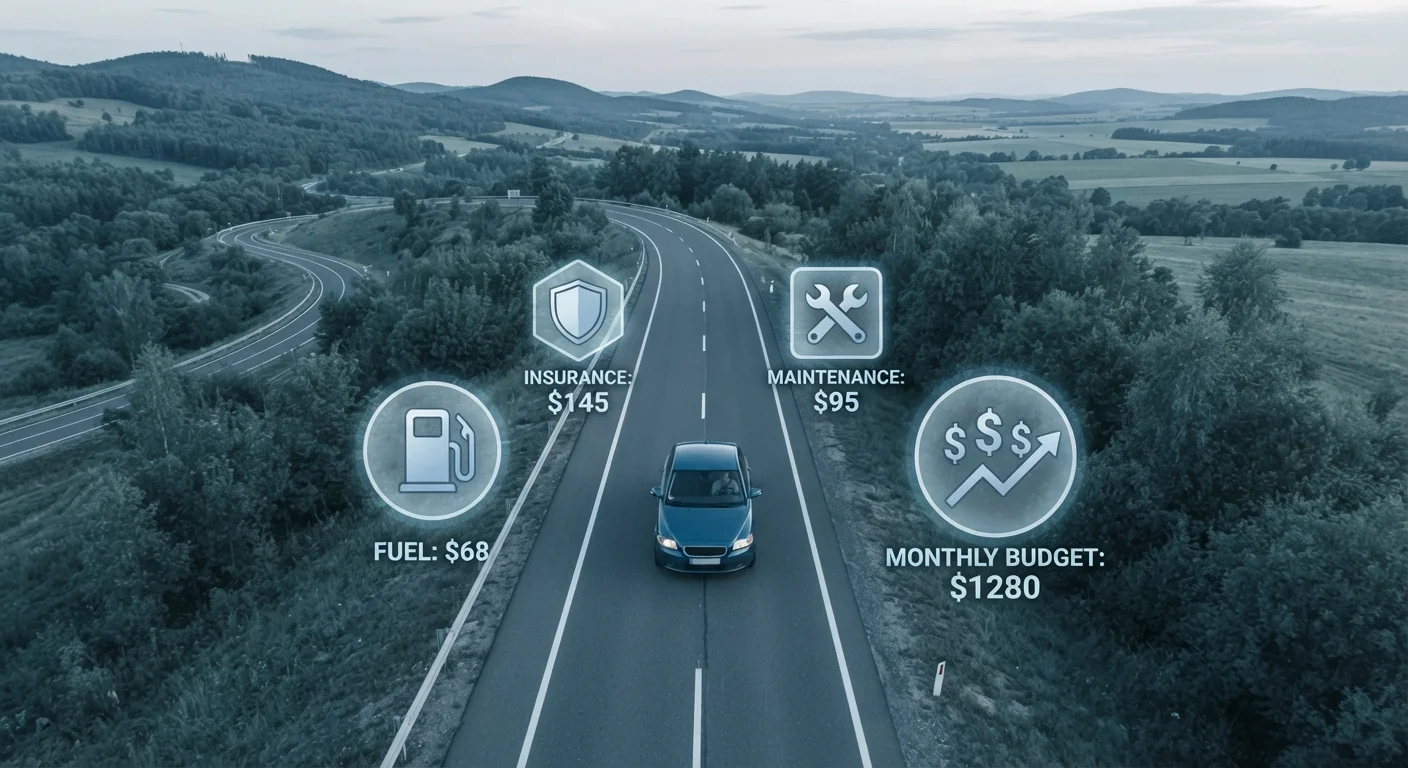
Photo credit: InsightsGrove.com | Discover Joy In Reading
In this article
Fuel, insurance, depreciation, and maintenance add up fast. Here's what car ownership actually costs young adults each year.
Key Takeaways
- The average American spends over $10,000 per year on vehicle ownership when all costs are included.
- Depreciation is typically the single largest expense, often outpacing fuel and insurance combined.
- Insurance premiums for drivers under 25 can be substantially higher than the national average.
- Routine maintenance, ignored early, often leads to far costlier repairs down the road.
- Understanding all ownership costs upfront helps you budget accurately and avoid financial strain.
Why the Sticker Price Is Just the Start
When most people budget for a car, they focus on the monthly payment. That's understandable - it's the most visible number. But the purchase price (or lease payment) typically accounts for less than half of what you'll spend to keep a vehicle on the road. The rest gets absorbed quietly, month by month, in ways that rarely get added up.
Understanding the full picture matters especially for young adults entering car ownership for the first time. A vehicle that fits your budget today can strain it significantly once insurance, fuel, and an unexpected repair land in the same month. See the complete guide to vehicle running costs for a thorough breakdown of every ongoing expense category.
$10,000+
Average annual cost of owning and operating a new vehicle
Based on AAA's Your Driving Costs study, which surveys vehicle ownership expenses across multiple categories for US drivers.
~50%
Value a new car can lose within five years
Depreciation varies by make, model, and market conditions, but industry data consistently shows significant value loss in early ownership years.
15-20%
New car value lost in the first year alone
This figure represents the steepest phase of depreciation for most new vehicles and is often underestimated by first-time buyers.
The Six Cost Categories Every Owner Should Know
1. Depreciation
This is the big one. New vehicles can shed 15-20% of their value in the first year, and roughly half their value within five years. You may not feel it until you sell or trade in, but it represents a real financial loss. Buying a vehicle that's two to three years old is one of the most common strategies for sidestepping the steepest depreciation curve.
2. Fuel
Fuel costs depend heavily on how much you drive, your local gas prices, and your vehicle's fuel economy rating. The EPA's estimated MPG figures provide a useful baseline, but real-world consumption often differs. Consistent speeds, proper tire inflation, and avoiding excessive idling all help stretch a tank further.
3. Insurance
Insurance is a legally required, non-negotiable cost in nearly every US state. For drivers under 25, premiums are typically higher due to actuarial risk classifications. Coverage level, vehicle type, driving record, and location all influence what you pay. Reviewing your policy annually and maintaining a clean record are straightforward ways to keep this cost in check over time.
4. Financing and Interest
If you financed your purchase, the interest paid over the loan term adds meaningfully to your total cost. A longer loan term lowers monthly payments but increases total interest paid. Understanding your annual percentage rate (APR) and total repayment amount before signing is essential - this is general financial information, and readers with specific questions should consult a qualified financial professional.
5. Maintenance and Repairs
Routine maintenance - oil changes, tire rotations, brake inspections, filters - is predictable and manageable. Deferred maintenance is not. Skipping scheduled services often compounds into far more expensive repairs. Setting aside a monthly maintenance fund, even a modest one, smooths out these costs considerably.
6. Registration, Taxes, and Fees
Annual registration fees vary widely by state and sometimes by vehicle value or weight. Some states also charge personal property tax on vehicles each year. These costs are easy to forget when budgeting but reliably recur.
Build a Monthly Car Cost Buffer
Rather than treating maintenance and registration as surprise expenses, estimate your annual costs upfront and divide by 12. Even setting aside $50-$100 per month into a dedicated savings account prevents the financial shock of a repair bill or renewal fee. Consistency with small amounts is more effective than scrambling when a large cost arrives.
How to Get a Realistic Total Before You Commit
Before buying - new or used - it's worth estimating your all-in annual cost. Add up the expected loan payment (or depreciation if paying cash), your insurance quote, an estimate for fuel based on how much you drive, and a maintenance buffer. Compare that total against your actual monthly take-home income. A common rule of thumb in personal finance circles is that all vehicle-related expenses should stay below 15-20% of take-home pay, though individual circumstances vary significantly.
Our annual car cost audit checklist offers a structured way to review every expense tied to your current vehicle, while common car cost myths debunks assumptions that often lead young owners to overpay. And if you're weighing whether to own at all, comparing ownership and leasing side by side provides useful context for that decision.
Managing car costs is also part of broader financial health. Reviewing your vehicle spending within a wider household budget - see everyday budgeting strategies - and actively cutting fixed costs like insurance and registration fees can meaningfully improve your overall financial position.
Frequently Asked Questions

Author
Car Ownership Editorial Team
Car Ownership Editorial Team is the collective byline for our editorial team and contributor network. Articles published under this byline or an editorial pen name are researched, written, and reviewed according to our editorial standards for clarity, consistency, and independence before publication.
View all articles →