
Buying Older vs. Newer Used Cars: The Trade-Offs Every Budget Buyer Should Understand
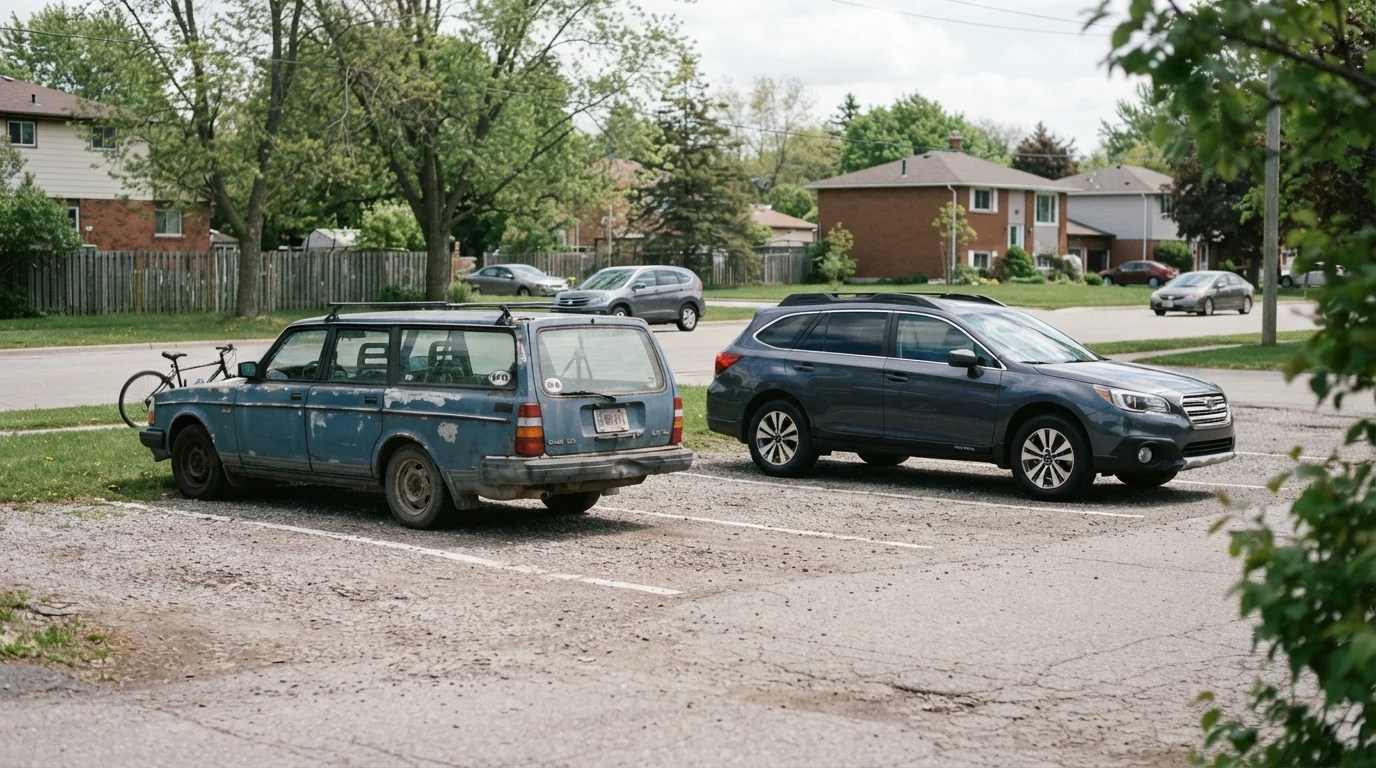
Photo credit: InsightsGrove.com | Discover Joy In Reading
In this article
A three-year-old car and a ten-year-old car involve very different cost and reliability profiles. Here's how to think through the age question clearly.
Key Takeaways
- Newer used cars typically cost more upfront but carry lower repair risk and may retain warranty coverage.
- Older used cars offer lower purchase prices but often come with higher maintenance costs and financing challenges.
- The right choice depends on your budget, risk tolerance, and how long you plan to keep the vehicle.
- An independent pre-purchase inspection is essential regardless of the car's age.
- Depreciation curve and insurance costs differ significantly between older and newer used vehicles.
Lower depreciation hit already absorbed
A car that's three to five years old has already lost a substantial portion of its new-car value, so you're not paying the premium that a brand-new buyer absorbs in the first year or two.
Potential remaining factory warranty coverage
Many manufacturers offer powertrain warranties extending five years or more, meaning a newer used car may still have coverage for major mechanical failures - reducing your financial exposure.
More predictable repair history and documentation
Fewer years on the road means a shorter history to verify. Service records are more likely to be complete, and common failure patterns are easier to research for recent model years.
Better financing terms from most lenders
Lenders typically offer lower interest rates and longer loan terms on vehicles under five to seven years old, which can meaningfully reduce monthly payments compared to financing an older car.
Lower purchase price stretches tight budgets
An older used car can often be purchased for a fraction of a newer equivalent, freeing up cash for other financial priorities or eliminating the need to finance entirely.
Age-related wear increases repair probability
Components like timing belts, water pumps, suspension bushings, and gaskets deteriorate with age regardless of mileage - making older vehicles statistically more likely to need repairs soon after purchase.
Harder to finance at competitive rates
Many banks and credit unions restrict loans on older vehicles or apply higher interest rates, which can erode the cost advantage of a lower purchase price.
Safety and technology gaps are wider
Older vehicles may lack modern safety features such as automatic emergency braking, lane-departure warnings, or updated airbag designs - features that have become standard on vehicles from the mid-2010s onward.
Why Car Age Is More Than Just a Number
When shopping for a used car on a tight budget, it's tempting to treat price as the only variable. But a car's age shapes nearly every cost you'll encounter after the sale - from insurance premiums and financing terms to how likely you are to face a repair bill in the first six months. Understanding the age trade-off is one of the most practical skills a first-time buyer can develop.
For a broader look at what actually drives ownership costs, see our guide on car ownership cost myths - many buyers are surprised by what really costs them money over time.
Age and Mileage Work Together
A five-year-old car with 90,000 miles may carry more risk than an eight-year-old car with 50,000 miles - or vice versa, depending on how each was driven and maintained. Age and mileage are both useful signals, but neither tells the full story on its own. Always pair them with a verified service history and an independent inspection.
The Case for Buying a Newer Used Car (3-5 Years Old)
A car that's three to five years old occupies an appealing middle ground: it has already absorbed most of its depreciation from new, but it remains recent enough to carry remaining factory warranty coverage on some components, have available service records, and be eligible for competitive financing rates from most lenders.
Lower depreciation hit already absorbed
A car that's three to five years old has already lost a substantial portion of its new-car value, so you're not paying the premium that a brand-new buyer absorbs in the first year or two.
Potential remaining factory warranty coverage
Many manufacturers offer powertrain warranties extending five years or more, meaning a newer used car may still have coverage for major mechanical failures - reducing your financial exposure.
More predictable repair history and documentation
Fewer years on the road means a shorter history to verify. Service records are more likely to be complete, and common failure patterns are easier to research for recent model years.
Better financing terms from most lenders
Lenders typically offer lower interest rates and longer loan terms on vehicles under five to seven years old, which can meaningfully reduce monthly payments compared to financing an older car.
Reliability data tends to be more predictable on newer used vehicles because they've had less time to accumulate wear on major systems. That said, "newer" doesn't automatically mean problem-free - model-specific issues can affect any year, which is why checking reliability data for the specific make and model matters regardless of age.
The Case for Buying an Older Used Car (8-12 Years Old)
An older vehicle's primary appeal is straightforward: a significantly lower purchase price. For buyers whose budget is genuinely limited, this can mean buying a car outright rather than taking on debt - a meaningful financial advantage. Lower sticker prices also mean lower collision insurance costs in many cases.
Lower purchase price stretches tight budgets
An older used car can often be purchased for a fraction of a newer equivalent, freeing up cash for other financial priorities or eliminating the need to finance entirely.
Age-related wear increases repair probability
Components like timing belts, water pumps, suspension bushings, and gaskets deteriorate with age regardless of mileage - making older vehicles statistically more likely to need repairs soon after purchase.
Harder to finance at competitive rates
Many banks and credit unions restrict loans on older vehicles or apply higher interest rates, which can erode the cost advantage of a lower purchase price.
Safety and technology gaps are wider
Older vehicles may lack modern safety features such as automatic emergency braking, lane-departure warnings, or updated airbag designs - features that have become standard on vehicles from the mid-2010s onward.
The risks are real, however. Older cars are more likely to need repairs to rubber seals, belts, suspension components, and cooling systems - parts that degrade with age regardless of mileage. Financing can also be harder to secure or more expensive, as lenders view older vehicles as higher-risk collateral. For a candid look at the full financial picture, our article on whether older cars are actually cheaper walks through the real numbers.
Key Factors to Weigh Before You Decide
Rather than defaulting to age as the deciding factor, evaluate these dimensions side by side:
- Your cash reserve: Can you absorb a $1,000-$2,000 repair bill without financial stress? If not, a newer vehicle's reduced repair risk is worth more than the price difference.
- Financing access: Many lenders restrict loan terms or charge higher rates on vehicles older than seven to ten years. Older car loans can end up costing more in interest than buyers anticipate.
- Intended mileage and ownership length: If you plan to keep the car for many years, starting with a newer base extends the reliable window. Short-term ownership changes the math.
- Certified Pre-Owned options: Some newer used cars qualify for CPO programmes, which add inspections and extended coverage. Our comparison of certified pre-owned vs. standard used breaks down whether that premium is justified.
~49%
Depreciation in first three years
According to data from vehicle valuation analysts, new cars lose roughly 40-50% of their value within the first three years, which is why buying at that point offers meaningful savings over new.
$100-$200
Typical pre-purchase inspection cost
Independent mechanic inspections generally cost between $100 and $200 and are widely regarded by automotive consumer advocates as one of the highest-return steps a used car buyer can take.
Where you buy also shapes the risk profile. Buying channels carry different protections - an older car from a private seller has far fewer consumer safeguards than the same vehicle from a franchised dealer.
The One Step That Applies to Every Used Car Purchase
Regardless of whether you settle on a three-year-old or a ten-year-old vehicle, a pre-purchase inspection by an independent mechanic is non-negotiable. This single step - typically costing $100-$200 - can reveal issues invisible in a test drive: coolant leaks, worn brakes, rust, and deferred maintenance that the seller may not disclose or even be aware of.
Our guide on approaching a used car purchase the right way covers the full framework: history checks, written agreements, and the patience required to avoid impulse decisions. It's also worth reviewing used car myths that cost buyers money before you shop, since common assumptions - like equating low mileage with reliability - can lead buyers straight into expensive mistakes.
This article is for general informational purposes only and does not constitute financial or legal advice. Consult a qualified professional regarding your personal financial circumstances before making significant purchasing decisions.

Author
Car Ownership Editorial Team
Car Ownership Editorial Team is the collective byline for our editorial team and contributor network. Articles published under this byline or an editorial pen name are researched, written, and reviewed according to our editorial standards for clarity, consistency, and independence before publication.
View all articles →